How to Create a Good Culture at Your Community
Culture doesn’t start with a slogan—it’s built in the small, repeatable moments residents remember.
Culture is often described as something you can’t manufacture. Residents experience it differently: as responsiveness, follow-through, tone and whether the community feels consistent in everyday moments.
That consistency matters because renters are under real financial pressure. New analysis from Harvard’s Joint Center for Housing Studies, based on 2024 American Community Survey data, found that 22.7 million renter households were cost-burdened in 2024, meaning they spent more than 30 percent of their income on housing. When budgets are tight, residents tend to be less forgiving of friction, especially when it involves communication and service.
Culture also shows up in places operators can’t fully control, such as online reviews. J Turner Research’s 2025 review analysis points to the value of paying attention to the comments residents leave, not just star ratings, because recurring themes can signal what is working and what is not.
The takeaway: culture isn’t a “nice-to-have.” It’s an experience system that influences retention, reputation and referrals, and it can be built intentionally at the community level.
Start with a culture promise residents can test
A useful way to define culture is simple: what residents can reliably expect from your team and their day-to-day environment.
Before you add programming or launch a new content series, write a one-sentence culture promise in operational language. This does not have to start as website copy or a public-facing slogan. It should first serve as an internal standard that helps the onsite team make consistent decisions, from how quickly they acknowledge a request to how they communicate during a disruption.
That promise can later inform external messaging, but only after the team can deliver on it. Not “welcoming community,” but something measurable, such as “clear communication and follow-through” or “fast, respectful service with realistic timelines.”
This becomes the filter for decisions: what you prioritize, how you communicate when something goes wrong and what you choose to highlight in marketing.
Make move-in the first proof point
Move-in day is where expectations get set. If the experience feels confusing, slow or impersonal, it’s difficult to “market” your way out of that first impression.
MHN’s Executive Council has emphasized simplifying the move-in experience with empathy and removing obstacles before residents arrive. In practice, that means anticipating the stress points residents are likely to face and reducing uncertainty before it becomes frustration.
A culture-forward move-in process does not have to be elaborate. It can start with a clear pre-move-in message that explains parking, elevator reservations, key pickup, utility setup and how to reach the team. It can include a “what to expect” note that tells residents how maintenance requests work before they need to submit one. It can also mean checking the unit before arrival so the resident is not the first person to notice an issue.
The tone matters, too. A useful welcome message does more than say “we’re excited to have you.” It tells residents where to go, who to contact and what the next few days will look like. A brief first-week check-in can also reinforce the message that the team is paying attention, not waiting for a complaint.
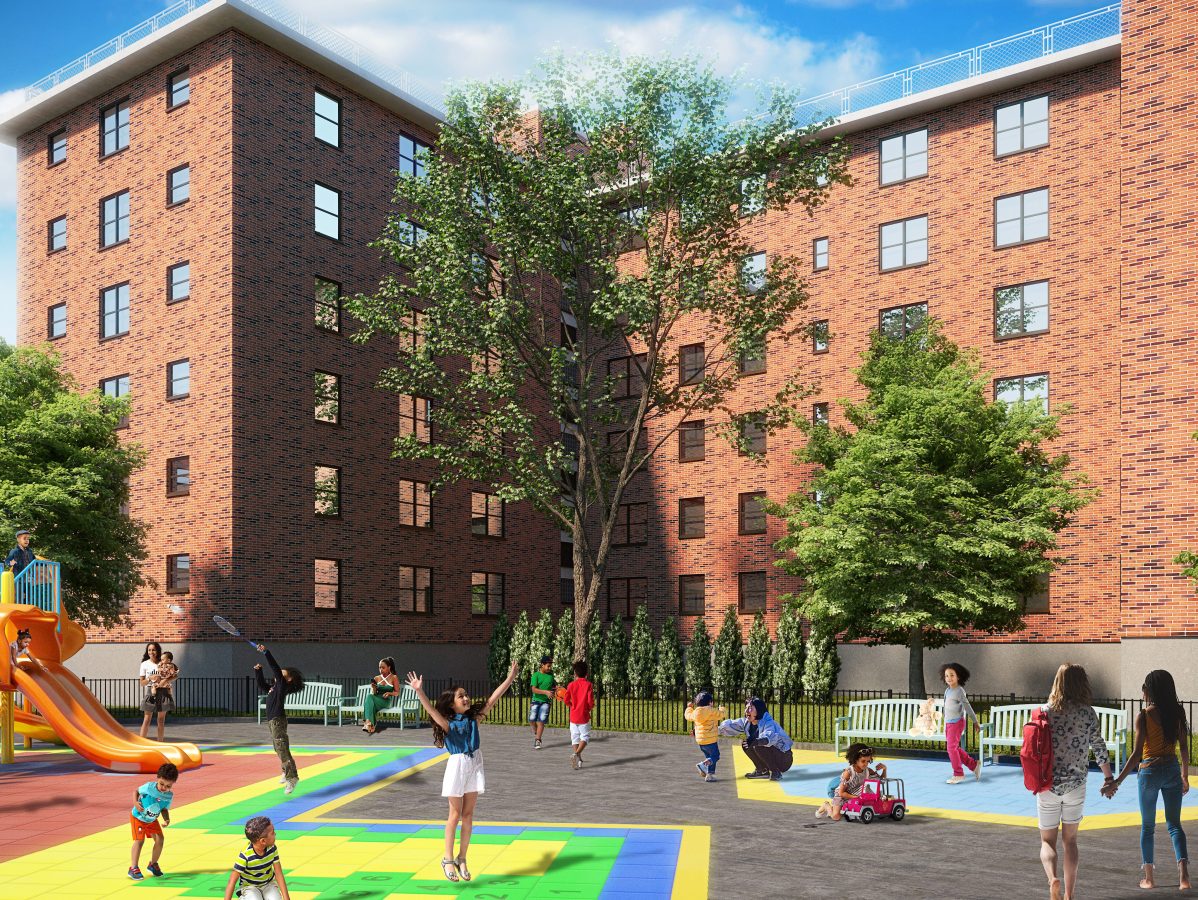
For communities undergoing preservation, rehabilitation or other major changes, these resident touchpoints become even more important. At a property such as Boulevard Houses in Brooklyn’s East New York, where PRC is involved through the Boulevard Together PACT initiative, clear communication and consistent resident support are part of how the broader community experience is shaped.
Build culture with a few repeatable standards
Most “good culture” advice gets stuck at the level of vibes. What works better is setting a small number of standards that your team can repeat daily, especially around communication and service recovery.
Think in terms of moments residents notice:
- Communication that sets expectations, not just updates
Residents don’t need constant messaging. They need predictability. The simplest habit that improves culture fast is acknowledging requests quickly and giving a realistic next step, then updating residents when that timeline changes.
- Maintenance that feels respectful, not transactional
If you want residents to describe your community as “well run,” maintenance is often where that story gets written. The fix matters, but so does the experience around it: clear timing, clean completion and a brief follow-up to confirm the issue is resolved.
- Small connection points that are easy to sustain
Big events can help, but culture is usually built through smaller, repeatable touchpoints that make the community feel lived-in rather than anonymous. A recurring coffee hour, a simple new-resident welcome note or a brief “meet the team” moment can be more effective than occasional events that are difficult to maintain.
- Feedback loops residents can see
Collecting feedback is common. Acting on it and telling residents what happened is what signals respect. Even when the answer is “we can’t change that,” a clear explanation is better than silence.
Everything else, from events to content to perks, works better after these behaviors are stable.
READ ALSO: The Missing Line Item in Every Value-Add Business Plan
Measure culture like a marketing outcome
Culture gets easier to manage when you track a few signals. You don’t need an elaborate dashboard, but you do need a way to see whether your promise matches resident experience.
A practical scorecard can be as simple as renewal trends, resident request response time, work order completion time and repeat requests, review trends and recurring themes in resident comments, as well as staff turnover.
The written comments in online reviews can be especially useful because they reveal what residents actually remember. A star rating may show the direction of sentiment, but the words residents use can point to the specific issues shaping that sentiment, such as communication gaps, unresolved maintenance, cleanliness concerns or positive staff interactions.
That makes reviews more than a reputation tool. They can also function as a culture check. If several residents mention the same frustration, the issue is not just public perception. It is an operational pattern that needs attention.
Don’t market culture until it is operationally true
It’s tempting to position culture as a branding message. The risk is that residents are quick to notice when marketing language doesn’t match lived experience.
A safer approach is to market culture through proof: show what follow-through looks like, introduce the people residents see every day and highlight small improvements that came directly from resident feedback. That kind of storytelling is specific, credible and hard to dismiss.
Culture doesn’t require a rebrand. It requires repeatable standards that residents can count on, especially in a market where many renters are feeling cost pressure and paying closer attention to whether the experience matches the price.