What Your Communities Really Need to Prepare for Spring and Summer
Six property managers shed light on how to smoothly transition multifamily properties through seasonal change.
For multifamily property managers, the shift from winter to warmer months is far from a ceremonial “opening.” The changing of seasons and temperature sets off a handoff between operating modes, with teams unwinding freeze protection, verifying systems before peak loads hit, hunting for damage that only shows up after thaw, preparing amenities and outdoor spaces for heavier resident use.
The best transitions follow a simple sequence: close out winter measures, confirm core systems, address safety and repairs, then sharpen presentation.
READ ALSO: Multifamily Marketing Runs on Trust, and Trust Is Operational
In colder markets, the first moves are less about cleaning and more about safely reversing protections built to prevent freezing and water damage. Ken Tarasiewicz, director of facilities management and engineering at The Habitat Co., summarized the mindset for Multi-Housing News: “In Midwest markets, the transition from winter to spring is less about ‘opening up’ and more about carefully reversing winter protections.”
For Habitat, that means de-winterizing cooling systems, reintroducing water to cooling towers, transitioning HVAC from heating to cooling, then reopening seasonal areas like pools and outdoor gathering spaces. Tarasiewicz added that landscaping coordination starts early since grounds need attention after months of snow, salt and freezing conditions.
At Kane Realty Corp., winter closeout begins with restoring normal operations across spaces that needed freeze protection. Josh Flippo, director of maintenance at the company, said teams deactivate heaters placed in stairwells, pump rooms, dry valve rooms and vacant retail areas. They also reset exterior lighting timers after daylight saving time where applicable.
From there, crews bring outdoor plumbing back online and perform leak checks to confirm winterization did not compromise fittings or piping. With infrastructure stabilized, the team shifts to visible work residents notice quickly, including pressure washing courtyards, pool decks and outdoor furniture, while working backward from targeted seasonal opening dates.
Eric Paskowitz, managing director of asset management at BFC Partners, described the start of spring as a performance review of the winter season itself. According to him, the team evaluates heating performance, flags plumbing issues tied to freezing conditions and reviews how snow and ice operations held up. Exterior walkthroughs help identify damage from freeze-thaw cycles on roof drains, sidewalks and façade elements, and the workflow shifts from winter response into spring inspections and proactive preventive maintenance.
Gabe Siegal, executive vice president & head of asset management at Charney Management, framed the transition around finding vulnerabilities before they become budget problems. According to him, the team walks each property from roof to sidewalk, inspecting heating systems, drainage, façades and walkways for winter damage, aiming to catch small issues before spring rains and increased foot traffic amplify them.
Systems need to be checked ahead of seasonal change
Across portfolios, cooling readiness tops the list because it has the highest downside if it fails during peak season. Flippo said spring marks the start of preventive maintenance programs, including unit inspection cycles that typically begin in March and run on a quarterly or tri-annual basis depending on the community. Those inspections help identify concerns early and verify in-unit systems are operating correctly.
Common-area HVAC preventive maintenance is also scheduled quarterly beginning in March to support increased cooling demand. Teams conduct full perimeter inspections around each building to identify unusually damp areas that may point to irrigation issues, drainage problems or leaks, and irrigation backflow testing is scheduled annually, currently set for June.
Habitat’s approach also centers on HVAC. According to Tarasiewicz, teams inspect air conditioning systems, clean coils, replace filters and confirm performance before peak demand. Cooling towers are filled, tested and balanced to reduce strain and improve reliability. He also views exterior safety as part of spring readiness, with assessments of sidewalks, curbs and paved areas for cracks or trip hazards tied to freeze-thaw cycles.
READ ALSO: MHN Executive Council: Multifamily Needs to Adapt. Here’s How. (Part 2)
“An air conditioning failure in July is not just a resident experience issue, it is an ownership issue,” said Siegal. Spring checks on VRF systems include condensers, refrigerant levels and filtration to ensure equipment can move into cooling mode before the first heat wave. Sump pumps are tested ahead of seasonal storms, roof drainage is reviewed and ventilation is checked, with the goal of preventing emergency failures when residents and prospects are most sensitive to comfort issues.
The biggest systems priority is preparing cooling equipment before temperatures rise, whether that is servicing chillers, cooling towers or rooftop HVAC units, according to Paskowitz. Roof drains and gutters are checked ahead of spring rain, then teams review sump pumps, irrigation systems and ventilation equipment to confirm the building is ready for warmer months.
Assessing for repair after winter ware-out
If systems are the first priority, winter damage is the next. It often shows up on exteriors, though leaders also pointed to interior high-traffic areas that take a beating from salt, moisture and grit.
At Kane, spring assessments focus on exterior and common-area components that may have worn during winter. Teams pay particular attention to exterior tiling, decking systems, gate closers and concrete walkways so they can identify trip hazards, surface degradation or mechanical failures that could affect safety or curb appeal.
Outdoor amenities such as decks, patios and gathering spaces are reviewed not only for appearance but for structural integrity and safe operation as resident use increases.

Exteriors take significant abuse from salt, snow removal operations and freeze-thaw conditions, creating safety and liability concerns, Siegal explained. He also cautioned teams not to treat interior common areas as secondary. “A resident’s first impression of the building every single day is that lobby. If it looks tired, it affects how they feel about renewing.”
The exterior review includes sidewalks, parking areas, roofs and façade sealants affected by freeze-thaw conditions, according to Paskowitz. Inside, entrance areas and lobbies often show the most wear from salt, moisture and heavy foot traffic, and landscaping and hardscaping can also be damaged by ice buildup and snow removal equipment.
The changeover kit: what teams store, swap, and stock
Seasonal readiness is also inventory readiness. Operators stressed that disciplined storage and restocking prevents small disruptions that pile up when resident demand rises.
Management phases out winter supplies such as ice melt and ensures adequate inventory of spring and summer materials, including pool testing reagents, water hoses, refrigerant and HVAC filters. Snow blowers, ice melt and cold-weather tools are cleaned, inventoried and stored properly, while seasonal materials such as pool equipment and chemicals are staged for use.
Additionally, landscaping equipment, irrigation components and outdoor furniture come out of storage. Teams also restock supplies that see heavier summer use, particularly air conditioning filters and exterior maintenance materials. According to Siegal, consistent transitions across a portfolio quietly save money year-over-year.
Getting shared spaces ready for warmer months
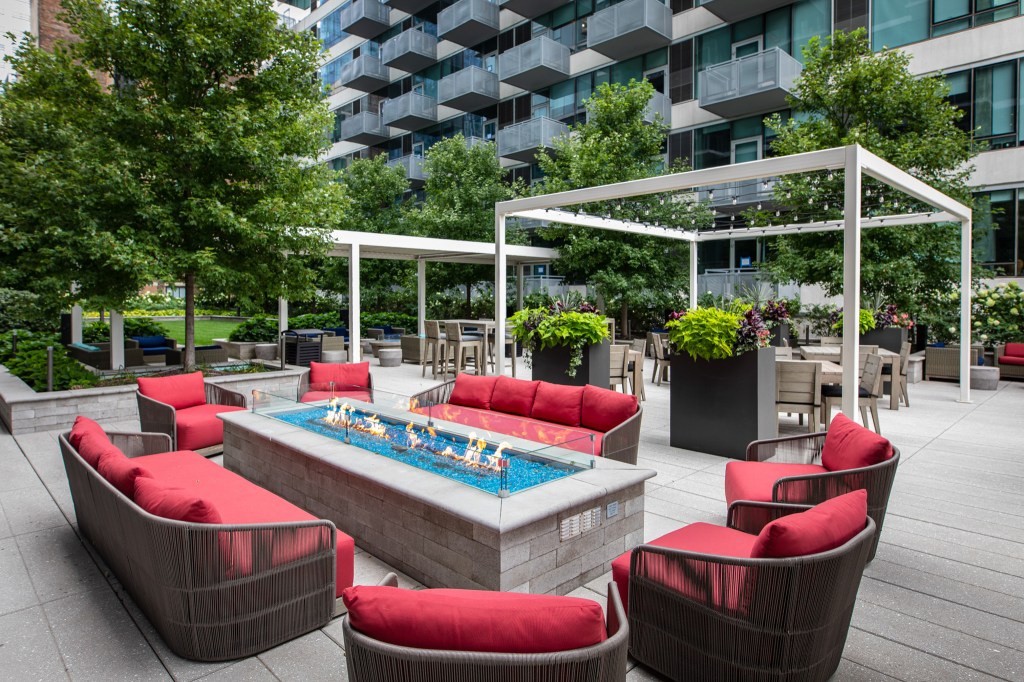
Once core systems are stabilized and winter wear is addressed, teams shift to resident-facing spaces. Outdoor lounges, rooftops, grilling areas and courtyards move regain their status of high-traffic areas.
Operators typically begin with deep cleaning and inspection, then reset furniture layouts, check lighting and power, and verify that anything residents will touch or operate works reliably. Grill stations are cleaned, connections are checked, and signage is refreshed. Gates, latches and access control devices are tested so spaces do not create security gaps as traffic increases.
Landscaping becomes part of the amenity experience, with spring planting and pruning timed to present well early and hold up through peak use. “Landscaping is often the first thing a prospective resident sees and the last thing they notice when they decide not to renew. We take it seriously,” Siegal affirmed.

“Clear communication with residents is another key step”, Jaime Sanmiguel, vice president of the multifamily rental division at FirstService Residential, said. “When residents understand when seasonal amenities will open or when maintenance work is scheduled, it helps manage expectations and keeps the transition running smoothly.”
At one of FirstService’s communities in Astoria, Queens, the seasonal walkthrough includes assessing the condition of pool tiles, outdoor furniture and umbrellas, outdoor kitchens and surrounding landscaping. During the most recent inspection, the team identified several umbrellas that required repair as well as a section of pool tile that needed replacement. Those repairs were scheduled ahead of the season to ensure the amenity spaces are ready when residents begin using them.
Opening the pool: multi-week project, not a switch flip
Pools tend to be the most complex seasonal amenity because they combine mechanical systems, water chemistry, safety requirements and regulatory timelines. Phil Carter, executive vice president of business development at The Amenity Collective, who most recently served as chief executive officer of Amenity Pool Services—a TAC company—said the most common mistake is treating pool opening as a last-minute task rather than a phased project with dependencies.
“Activating a commercial pool isn’t like flipping a switch; it requires a coordinated, multi-week timeline,” Carter said. Teams that hit opening dates reliably start with a structured sequence and work backward from inspections and target opening windows, building time for repairs, weather delays and approvals.
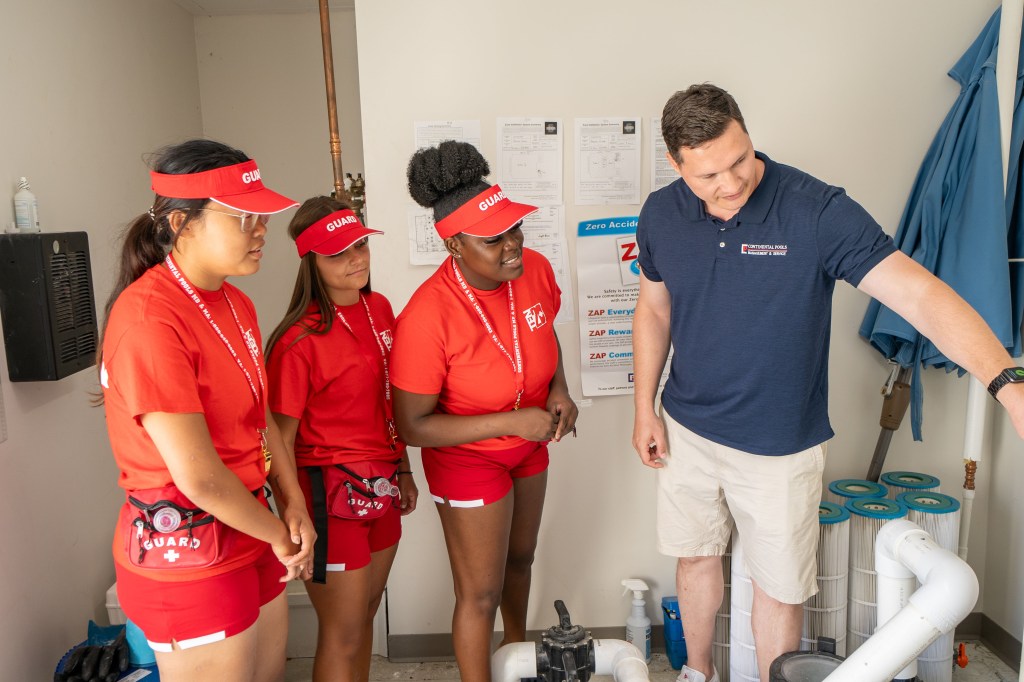
The preparation of the outdoor pool is central ahead of warmer months. All images courtesy of The Amenity Collective 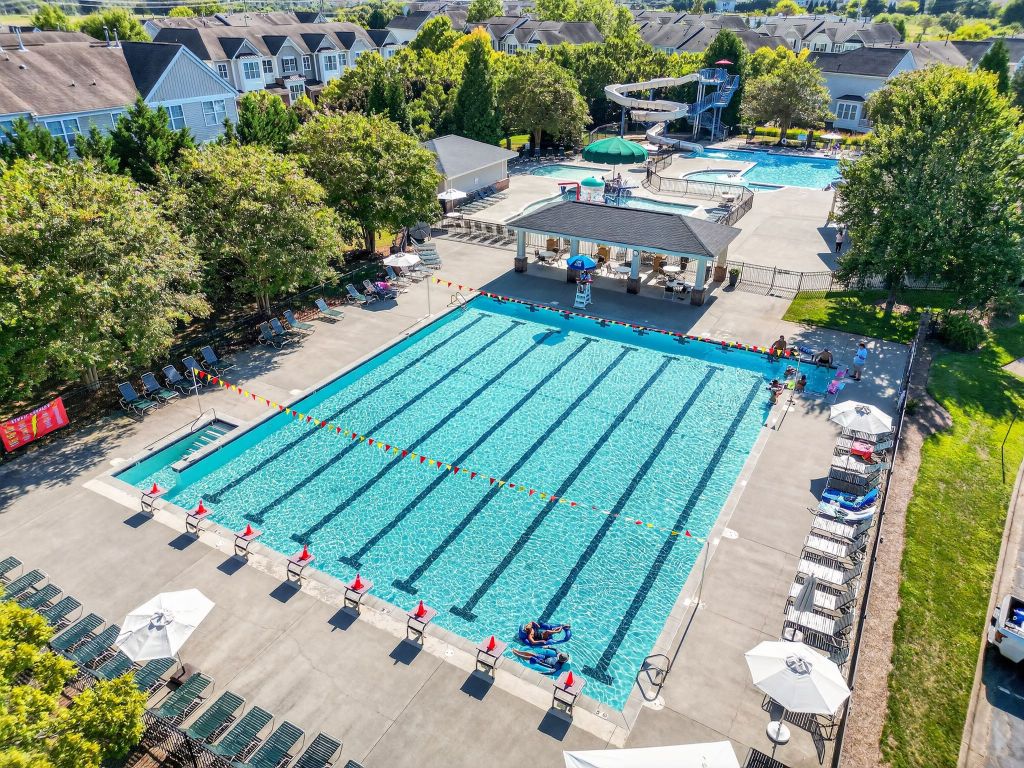
“From an aquatics perspective, the transition begins long before the weather turns warm. Our primary focus is closing out our winter observation phase and shifting directly into pre-season repairs”, according to Carter. 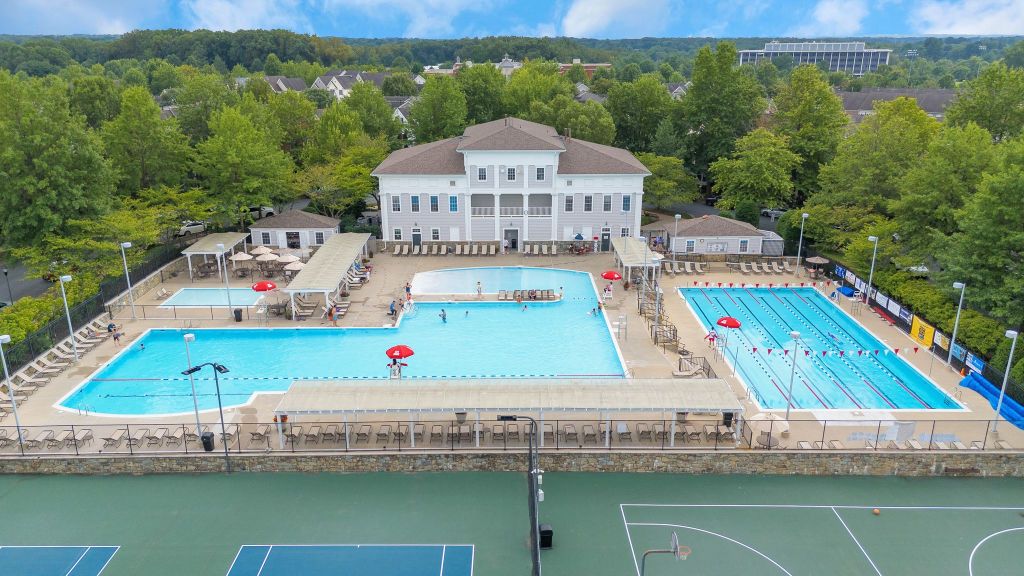
The lifeblood of any commercial pool is its circulation and filtration system. 
“Once the water and mechanics are perfected and local health inspections are passed, we move to the “finishing touches,” which involves detailing the pool deck, setting up outdoor lounges and ensuring the amenity looks inviting and resort-like for the residents”, according to Carter.
Early steps focus on the pool’s circulation and filtration systems, including pumps, motors and filtration media, because mechanical issues discovered late can stall the schedule. Chemical automation systems that regulate chlorine and pH are recalibrated and serviced to ensure safe water quality and stable readings once resident use increases.
Carter’s checklist includes removing and storing winter covers, deep cleaning the pool shell, de-winterizing plumbing and pressure-testing the system, then refilling and balancing water chemistry over several days. Once the pool is stable mechanically and chemically, teams move to the deck environment, power washing surfaces, checking for freeze-thaw cracking or heaving, inspecting coping and tile, then confirming perimeter fencing and self-latching gates meet safety standards. Operational readiness also includes staffing plans, training and certification so the pool is not technically open but functionally constrained.
Regulatory timing can be as critical as the maintenance work. Carter noted that health departments are often flooded with inspection requests in late spring, and missing a window or failing an initial inspection over a minor item can push opening dates.
Facing challenges with seasonal change
Spring brings operational compression. Vendors are busy, weather is volatile and problems hidden all winter can emerge quickly.
Tarasiewicz said weather unpredictability is a primary challenge in Midwest markets, where spring temperatures can swing dramatically, complicating scheduling and staffing. Freeze-thaw cycles can also reveal hidden issues such as ground movement and delayed infrastructure damage that only appears weeks after winter ends.
For Siegal, the biggest challenge is coordinating multiple vendors across a compressed window since HVAC servicing, landscaping and amenity preparation happen at the same time. He noted that Charney’s planning starts in the fourth quarter, long before work is needed, and deep vendor relationships help avoid waiting in line as the season advances.
Paskowitz said the challenge is that everything happens at once: finishing winter-related repairs while preparing for warmer weather and activating outdoor amenities, with HVAC contractors and landscapers in high demand.
Best practices for property managers
Across operators, spring success comes from accountability systems and early planning, not last-minute action. Recurring work orders tied to seasonal tasks have been one of Kane’s most effective improvements because they create visibility and accountability, and reduce reliance on reminders alone.
Charney’s biggest improvement was treating seasonal transitions as a proactive ownership function rather than a reactive maintenance task, supported by standardized checklists, fourth-quarter vendor contracting and proactive resident communication about timelines and disruptions.
As a general rule across top multifamily property management companies, spring and summer readiness is less a to-do list than an annual operating program. It starts with reversing winter protections safely, then verifying cooling and water systems early, inspecting for hidden damage, managing the seasonal swap in equipment and supplies, while activating amenities on a phased timeline. When teams treat that sequence as routine, residents experience a smooth transition and owners avoid the costly surprises that tend to surface in the first hot week of the year.