Inside Rental Housing Fee Transparency
A best practice that's quickly becoming a regulatory imperative.

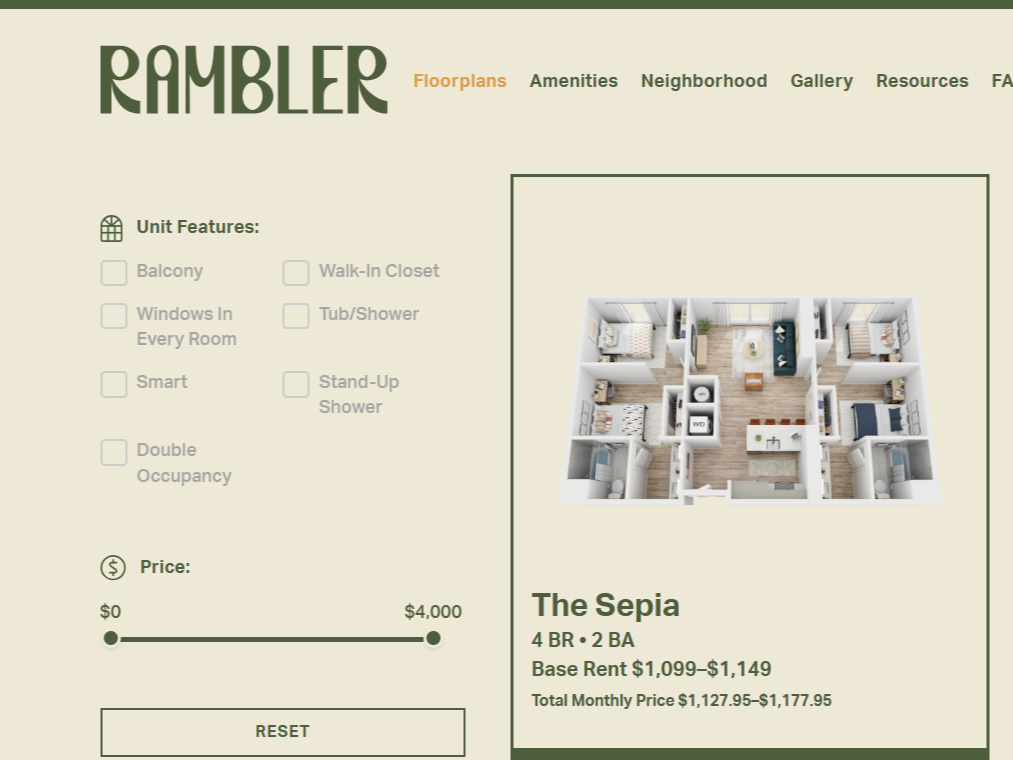
For years, renters across the U.S. have faced hidden fees not disclosed upfront in listings. These include application fees, valet trash and administrative costs, often pushing total rental costs far beyond advertised prices. This lack of transparency has led to budgeting challenges and resident dissatisfaction, particularly among low- and moderate-income households.
This article examines why fee transparency has moved to the forefront, how federal and state regulations are reshaping expectations and what owners and operators must do operationally to stay compliant and competitive.
Why transparency matters
Fee transparency is no longer optional. It’s becoming a legal, operational and reputational necessity. According to the 2025 SatisFacts Biennial Online Renter Study, transparency ranked as renters’ top informational need. Zillow’s 2024 Consumer Housing Trends Report found that 94 percent of renters believe fees should be clearly shown in listings. Beyond compliance, transparent practices deliver measurable benefits:
- Higher reputation scores: Properties with clear disclosures earn stronger reviews and trust.
- Operational efficiency: Leasing teams report fewer disputes and more confident conversations.
- Resident satisfaction: Clear financial expectations improve retention and loyalty.
Industry experts now view transparency a “focal amenity” as critical as physical amenities in attracting and retaining residents.
Regulatory momentum and industry trends
Growing consumer complaints and investigative reporting have driven federal and state agencies to act. The Federal Trade Commission proposed its “junk fees” rule in 2025, requiring businesses to disclose all mandatory fees upfront in a standardized format. While initially focused on lodging and ticketing, advocacy groups are urging the rule’s extension into rental housing. Similarly, the Department of Housing and Urban Development has issued guidance emphasizing clarity in lease terms and advertising.
State-level legislation is accelerating. For example:
- New Mexico (SB 267): effective June 2025, mandates disclosure of all rental costs.
- Virginia (HB 2430): requires itemized charges on the first page of lease agreements.
- Colorado (HB25-1090): mandates a single total price in advertisements and limits certain fees.
Other states—including California, New York, and Maryland—are considering similar measures. Local ordinances in cities like Bellingham, Washington and Fayetteville, Arkansas add further complexity, often including enforcement mechanisms such as tenant hotlines and penalties for non-compliance. Be sure to reference the NAA website for additional updates on this fast-moving topic.
Taken together, these developments signal a fragmented but accelerating regulatory environment where national operators must comply across jurisdictions with varying definitions, timelines and enforcement mechanisms.
Fee transparency through technology and process
Updating fee transparency policies is only part of the equation. Compliance thrives on operational and technological alignment. Property management systems based on the recent FTC guidelines should:
- Display all fees clearly in listings and leases
- Integrate with marketing platforms for consistent disclosures
- Generate audit trails for compliance reviews
- Support multilingual documentation where required
The best operational practices to adhere to these guidelines include:
- Conducting regular fee audits across all properties
- Categorizing fees into standard, optional and situational
- Working with your software providers to ensure compliance
- Updating lease templates and marketing materials
- Training leasing teams in jurisdiction-specific requirements
The Multifamily Information and Transactions Standards 5.0 now include robust support for fee transparency, enabling consistent data exchange across platforms. Adoption of these standards helps firms meet regulatory requirements while improving consumer trust.
With legislative momentum building, 2026 is poised to be a transformative year for multifamily managers. Expect more states to adopt “total price” mandates, increased scrutiny of algorithmic pricing and regulations targeting payment processing fees and utility markups.
For landlords and operators, proactive compliance will be a strategic advantage in a competitive market. It is imperative to ensure you have a plan to implement and maintain
Michele Crochetiere is senior director of client services with Newmark RF.