NYSAFAH’s Carlina Rivera on Shaping New York’s Affordable Housing Agenda
The New York state affordable housing association CEO reflects on bringing lived experience to policy leadership, navigating high-stakes housing debates and advancing women’s roles in real estate.
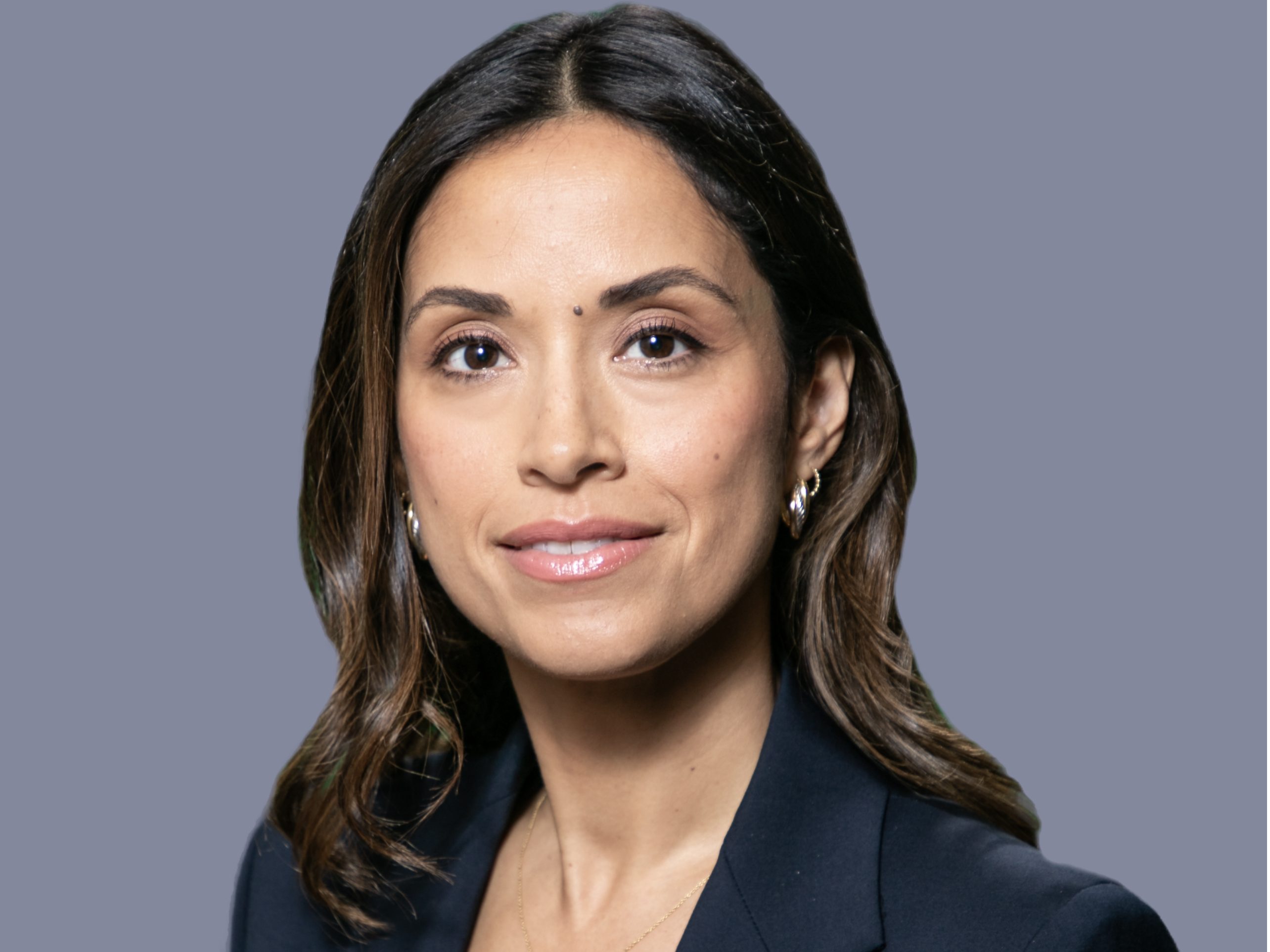
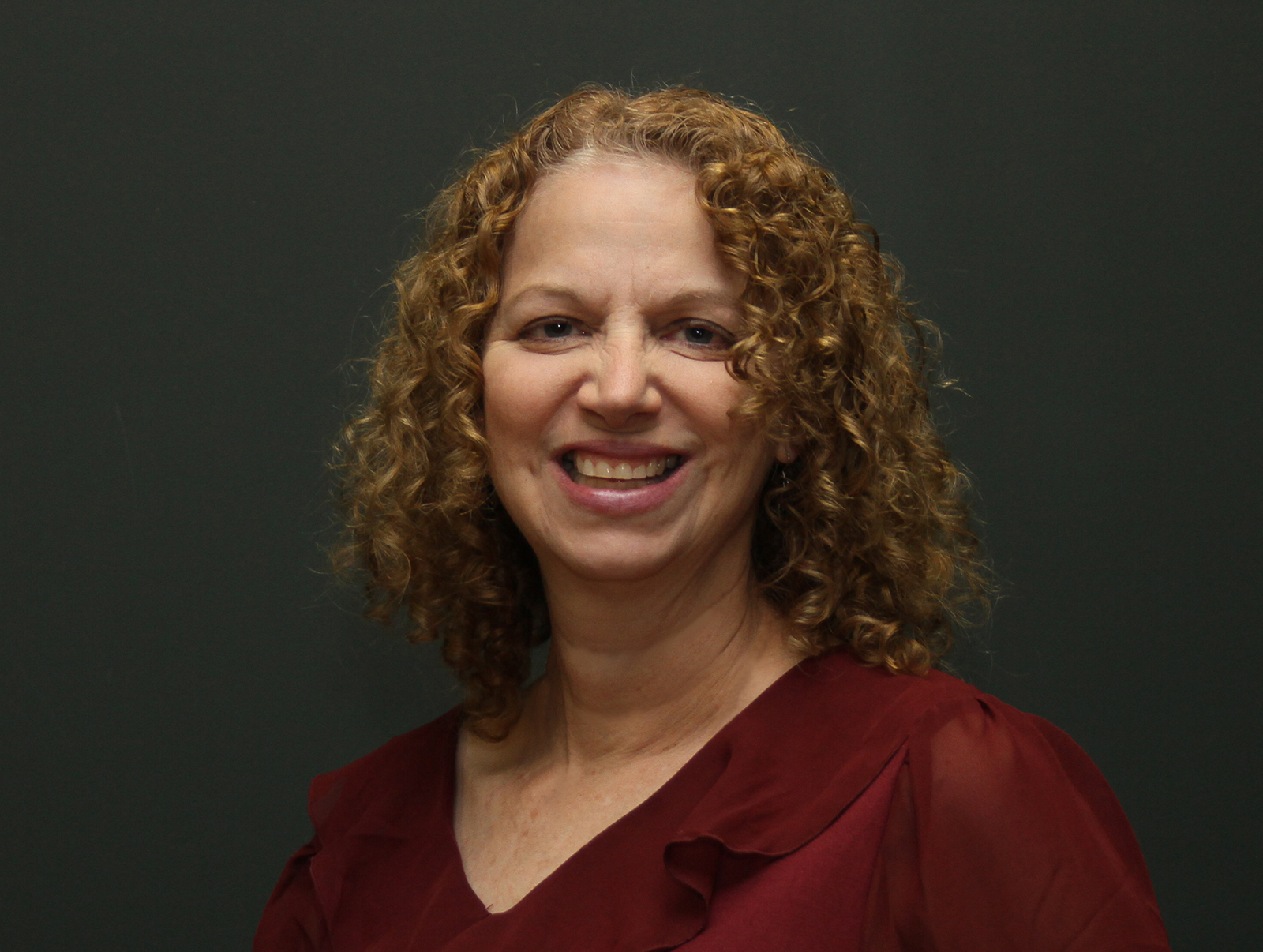
At the helm of the New York State Association for Affordable Housing—the state’s primary trade organization for affordable housing developers, owners and operators—one executive brings lived perspective into today’s policy debate.
Raised in low-income and Section 8 housing on Manhattan’s Lower East Side, President & CEO Carlina Rivera saw early how federal contract decisions could determine whether families remained in their homes. For her, housing policy is never abstract. It is personal and immediate.
After years in grassroots advocacy and later on the New York City Council—where she advanced funding for affordable housing and zoning reforms—she stepped into leadership at NYSAFAH last year. Today, she represents a statewide membership navigating complex financing structures, regulatory constraints and rising cost pressures.
In this conversation with Multi-Housing News, Rivera reflects on leading in high-stakes policy environments, the visibility gap women still face in real estate and the kind of legacy she hopes to build.
READ ALSO: Affordable Housing Industry Trends
How has your childhood experience shaped your understanding of power and who gets to influence housing decisions?
Rivera: Growing up in Section 8 housing taught me just how deeply personal housing policy really is. It determines whether families can stay in their homes, afford their rent and continue building stable, safe lives. Housing is the most basic foundation. When that foundation is threatened, everything else is too.
When my building risked losing its contract renewal, I saw my neighbors come together and demand accountability. Our tenant leader, the late Marie Christopher, showed me that leadership means stepping up and building relationships with elected officials to move policy and drive change.
That experience shaped my belief that housing policy and decisions must always be centered around people. It’s about centering and elevating the voices of rural, suburban and urban communities—not just the largest markets, as housing affordability is an issue that impacts all communities—and strengthening our advocacy infrastructure to respond more effectively to challenges statewide.
Which part of your professional journey so far most shaped your current leadership style?
Rivera: Working in advocacy, holding elected office and now as a nonprofit leader—alongside my own lived experience in Section 8 housing—have all been invaluable to shaping my perspective on what it truly takes to solve the affordable housing crisis.
My lived experiences instilled in me a sense of urgency for the cause. Housing has never been just a policy area for me, that’s why I’ve centered much of my career on expanding housing access. During my time at the City Council, I prioritized initiatives that would lead to more affordable housing whenever possible, from fighting for additional funding to build more units to working on zoning reform to make housing construction easier in desirable neighborhoods.
At NYSAFAH, I now am seeing this challenge from a different perspective, witnessing how shovel-ready developers are facing complex financing and strict regulatory barriers but remain motivated to help our state build its way out of the crisis.
I’ve seen and worked in many key sectors of the housing ecosystem. Today, I lead with the understanding that solving the housing crisis requires alignment. It’s about both policy, proper investment and private sector involvement moving together toward our shared goal.
READ ALSO: New Generation, Same Mission: PRC’s Next Phase in Affordable Housing
What feels most different about leading from your current seat compared to serving in government?
Rivera: The biggest difference has been the ability in my current role to focus and really go deep into the affordable housing sector. Developing a granular understanding of housing financing and development structures has been both energizing and essential. I have been learning directly from real estate and housing titans who have built and preserved affordable housing at scale for many years.
In government, you’re balancing multiple competing issues at once, often without the time or resources to truly dig into the complexities. I now have a deeper understanding of housing financing and the other operational and regulatory barriers the sector faces that impede us from preserving and building more housing. Those details matter so we can craft meaningful policy that actually works. I believe that expanding access to that level of sector-specific knowledge that I am now immersed in would only make policymakers more effective in addressing the housing crisis, and that depth would allow all of us to serve New Yorker needs with greater precision.
What did you want to understand first about your members when you stepped into your role as CEO, and what surprised you about the organization?
Rivera: In my first few months at NYSAFAH, I made it a priority to deepen my understanding of the regional disparities shaping affordable housing across the state. Visiting the members that we represent in the communities where they are building and operating allowed me to see those differences and get a deeper understanding into the lived experiences of the industry.
Our downstate market is grappling with insurmountable cost pressures and land constraints, while our upstate communities face challenges around access to resources and development capacity. Seeing those realities firsthand reinforced that, while we all share a statewide mission to expand and preserve housing affordability, the solution to the housing crisis is not the same to all. Moving forward, our decision-makers must craft solutions that reflect the reality of these unique needs and challenges.
I was also struck by the depth of expertise and willingness to collaborate on affordable housing solutions for NYSAFAH’s membership. We are fortunate to have architects, attorneys, financial professionals and development leaders serving on our board and various committees with instrumental perspective in shaping thoughtful and sound policy. Leveraging the intel and commitment that’s present in the industry through more cross-sector collaboration will allow us to develop solutions that are actionable and achievable.
What’s a leadership dynamic women experience in the housing and real estate space that people don’t often talk about openly?
Rivera: Women hold significant roles and lead major initiatives across housing and real estate. We’re presidents of developments, deputy mayors, CEOs, elected officials and more. And yet, visibility still lags behind leadership. Our impact is real, but our recognition doesn’t always match it. The good news is that more women are claiming space and reshaping expectations for the next generation coming up behind us.
How did you find your footing in the affordable housing sector? Have you ever felt like you had to adjust your tone or approach as a woman?
Rivera: Preparation has been essential to finding my footing, especially when navigating the complexities in the affordable housing space.
Learning doesn’t end when school does. In a field that is constantly evolving like housing policy and the needs of New Yorkers behind it, you have to embrace both the data and the lived experiences.
I’ve made it a priority to understand both. In high-stakes conversations, being direct, efficient and grounded in facts, is not only the best path forward, but it also helps build valuable credibility and, over time, confidence comes from thorough preparation that allows me to advocate boldly for the effective solutions we’re after.
Credibility in this field often hinges on technical knowledge, relationships and political capital. Did you ever feel you had to over-prepare or outperform to be taken seriously?
Rivera: I have always believed that mastering the subject matter and cultivating strong relationships are the key to building credibility and a lasting, meaningful brand. Trust and expertise go a long way.
There have certainly been moments after an interview or a hearing when I’ve reflected on how I chose to voice my standing. But more often than not, those moments fuel my drive to deepen my knowledge and stance on the issues I want to advocate for.
I’ve also learned that attempts to discredit you come from intimidation. When you are grounded in data, the mission and the relationships you’ve built, you will earn credibility. In this work, credibility is about consistency and preparation.
Looking at the broader industry, where do you see the biggest leadership gaps for women today and what needs to change to narrow them?
Rivera: The representation of women at the executive level is growing and their elevation is long overdue. Across housing, for instance, I am encouraged to see more women stepping into leadership roles. Policies like salary transparency and paid parental leave help move the needle. A renewed focus on expanding access to affordable childcare is also essential. At the same time, gaps in compensation and access to capital persist. Closing these gaps is critical and ensures that our leadership pipelines will continue to become more equitable and diverse moving forward.
During Women’s History Month, there’s often discussion about legacy. When you think about your time at NYSAFAH, what kind of impact do you hope to have?
Rivera: I hope to leave a legacy of tangible change in the form of building and preserving more affordable housing across the state. Access to quality, safe and affordable housing is truly the key to equity and opportunity, especially for working families and communities of color.
Legacy, to me, is being able to point to 100 percent affordable, stable, high-quality housing that exists because we fought for it, because we fought to make New York a fairer place. That’s the meaningful impact I’m after.