Trump Nominates Kevin Warsh for Federal Reserve Chair
If confirmed, he would likely push more aggressively for lower interest rates.
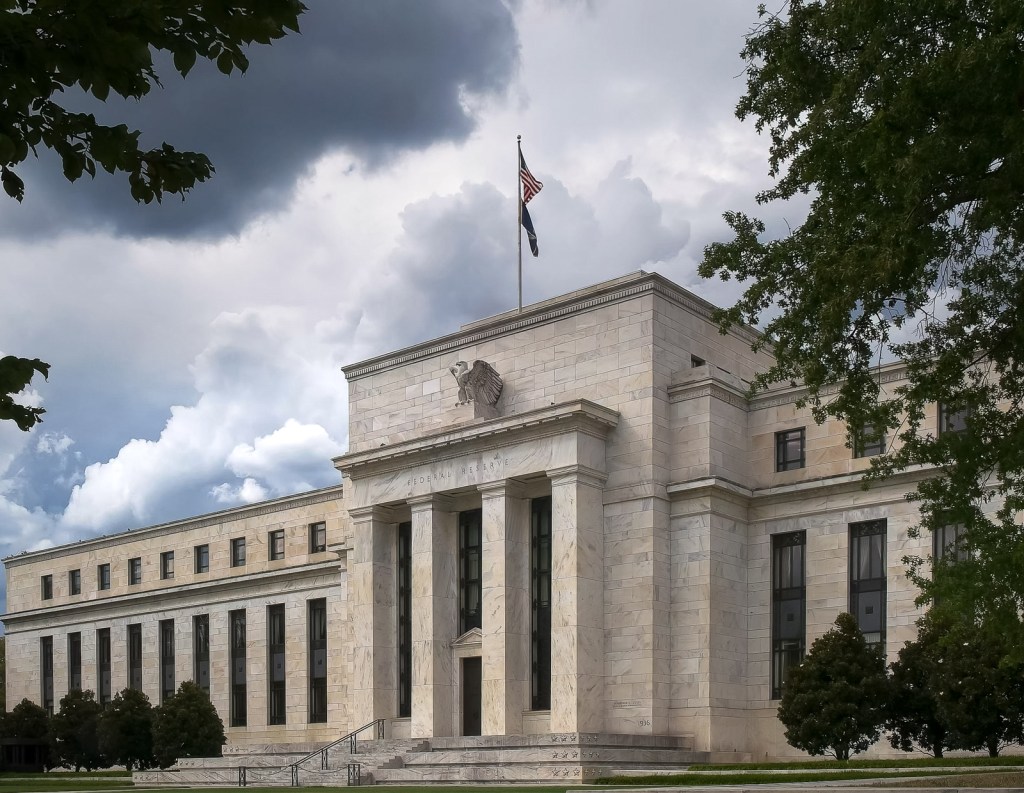
President Donald Trump has nominated Kevin Warsh to succeed Jerome Powell as chairman of the Federal Reserve. Warsh, who must be confirmed by the Senate before he can take office, previously served as a member of the Fed’s Board of Governors from 2006 to 2011.
During his time at the Fed, Warsh was known as an inflation hawk, according to The New York Times, and often pushed for higher interest rates. However, throughout Trump’s second term, Warsh has repeatedly advocated for lower rates and criticized the current Fed leadership.
Warsh’s nomination comes as the Fed faces continuing challenges to its independence, including attempts to remove Lisa Cook from the Federal Reserve Board of Governors and a criminal investigation into Chairman Jerome Powell over renovations at the Fed’s headquarters. Powell’s term ends in May.
READ ALSO: Industry Experts Weigh In on the Fed’s Policies for 2026
“Warsh’s background as a former Fed governor and his experience in financial policy underscore his strong qualifications for the role,” Lisa Pendergast, president and CEO of the CRE Finance Council, told Multi-Housing News. “His central challenge will be leading (the Board of Governors and FOMC) through a historically consensus-driven policymaking process at a time of economic uncertainty and shifting political dynamics.”
In a social media post following Trump’s announcement of Warsh’s nomination, North Carolina Republican Sen. Thom Tillis called Warsh a “qualified nominee with a deep understanding of monetary policy” but added that he would oppose Warsh’s confirmation until the investigation into Powell is “fully and transparently resolved.”
Last week, the Federal Open Market Committee voted to hold rates steady after three cuts in a row late in 2025. In a press conference following the vote, Powell did not directly address the prospect of future cuts but said that “the economy is growing at a solid pace, the unemployment rate has been broadly stable and inflation remains somewhat elevated.”
How the multifamily industry is reacting
Dwight Dunton, CEO of Bonaventure, told MHN that he does not expect a meaningful pickup in transaction activity if Warsh confirmed.
“Rate decisions will still matter, but the more consequential signals may come from liquidity policy, including the Fed’s approach to balance sheet runoff, repo markets and whether quantitative easing returns, particularly through mortgage-backed securities,” Dunton said.
Paul Rahimian, CEO of Parkview Financial, noted that while he expects Warsh to push for lower interest rates, the cuts may not come right away. “He should have a more dovish tone than Powell, and short-term rates should go down in the second half of this year once he (establishes) himself at the helm,” Rahimian observed.
And while lower rates could boost multifamily development, Warsh has said that he wants the Fed to buy less government debt, which could cause long-term rates to remain high and pose challenges for transaction activity down the line, according to Brian Connolly, founder and CEO of Feasibly, a commercial real estate feasibility study service.
“If Warsh can keep the economy stable, real estate investors will start putting money back into safe bets like apartment buildings in growing cities where a combination of housing supply (shortages) and lower interest rates could make more new ground-up multifamily developments pencil out than in recent years,” Connolly said.
Connolly added that it will be important for Warsh to project independence from the president.
“The biggest question for the multifamily market isn’t just what Kevin Warsh will do with rates, but whether the market thinks he’s doing it because the data says so or because the White House says so,” Connolly said. “If institutional investors lose trust in the Fed’s independence, all the rate cuts in the world won’t be enough to calm the credit markets.”