How to Win the Multifamily Amenities Race in 2026
Reliability, not flashy extras, will drive leasing success in the coming year.

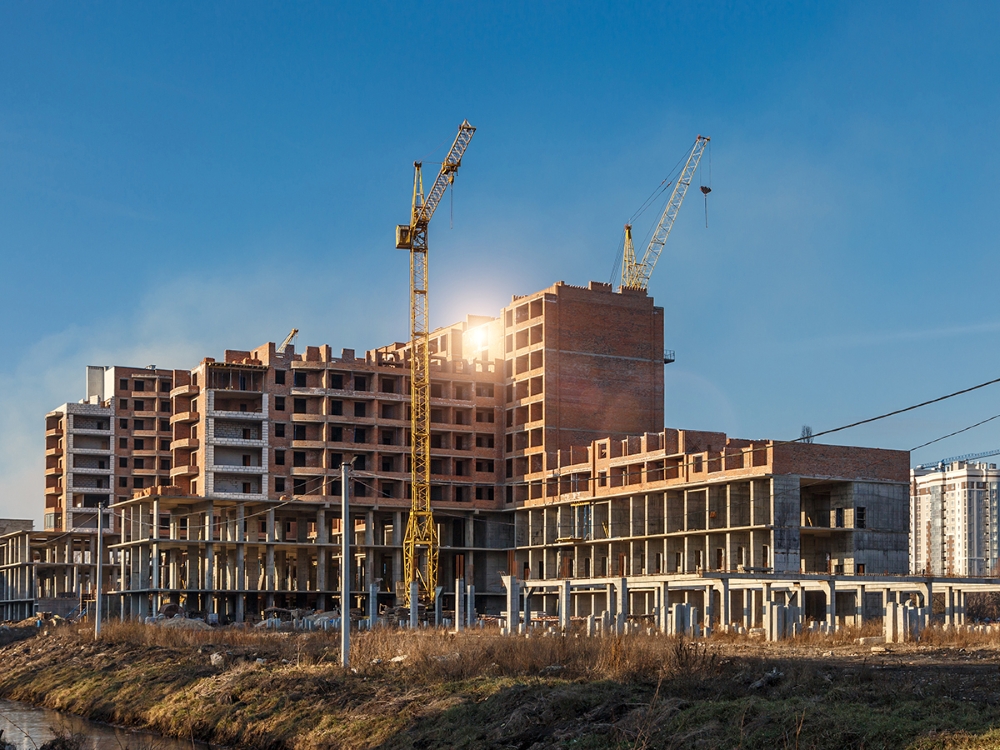
Multifamily analysts are predicting that fewer new apartments will be completed in 2026. According to Yardi Matrix, completions are forecast to decline from an estimated 550,000 in 2025 to about 430,000 in 2026—and market-rate deliveries might be down as much as 60 percent compared to 2024.
This lull could be good news for apartment marketers at existing properties.
Even recently leased-up communities with plenty of bells and whistles have been finding it hard to compete with a never-ending supply of new housing product. Developers are exhausted too. They’re coming out of the amenities arms race after trying to out-build each other, according to Mike Whaling, president of 30 Lines,
“In 2026, we’re moving into an era of more precision. We’ve seen a shift in focus from shiny objects to frictionless living. Amenities and services are more thoughtfully incorporated into our communities,” said Whaling.
Beyond high-speed internet
First, operators need to stop calling high-speed internet an amenity. “It’s expected, and any friction preventing that is the enemy. If a resident can’t get online on move-in day—or if they have to juggle three apps to open a door, pay rent and use their thermostat—we’ve failed in terms of customer experience.”
READ ALSO: 9 Ways to Save on Operations Costs in 2026
Renters still expect outdoor amenities and a great gym, but the definition of fitness is expanding to include wellness. A sauna/cold plunge circuit can be retrofitted into a relatively small footprint compared to a full gym expansion, pointed out Whaling. In terms of holistic wellness, red light therapy pods, sound baths, meditation booths and massaging beds can offer high perceived value with minimal staffing requirements.
Whaling said standout properties are those that curate their amenities the best. “Properties that invest more are extending the (reach of these) physical spaces with curated wellness programming: nutritionists, mental health workshops and community movement challenges.”
Curate the best
None of these amenities realize their maximum impact if it’s just another bullet point on the website. Don’t just sell features (what it is) but lead with benefits (who you become). For the cold plunge and sauna amenity, explained Whaling, the benefit positioning is: “Recover faster and sleep better without leaving home.”
One of the top five complaints multifamily operators see consistently in negative reviews is noise. “There’s a real opportunity to address soundproofing—especially for new builds, but there are also options like sound-dampening paint that can be used in retrofits,” said Whaling. Pickleball is still hot, but the new trend is indoor or acoustically enclosed courts. “Putting an open-air court next to bedroom windows is a recipe for turnover due to noise complaints, and indoor courts mean year-round usage.”
Self-serve micro-markets stocked with essentials and tailored to resident requests will continue to wow residents in 2026. Coffee bars are popular too, but the expectation has shifted to more of a coffee shop experience with high-quality bean-to-cup machines (e.g., Starbucks or local roaster partnerships) and cafe-style seating. Whaling adds, “This can create a daily ritual that anchors residents to the lobby, fostering a sense of activity and safety.”
Whaling is also seeing a growing adoption of deposit alternatives and flexible rent payment systems that split rent to match paychecks. Renters are more likely to renew if they earn points on rent with programs like Bilt, while platforms like Renew help to facilitate smoother, faster renewals. Platforms like Spruce or Amenify allow operators to offer hotel-style housekeeping, pet care and other services.
Looking at returns
Three top-of-mind amenities in 2026, according to Kate Good, principal of multifamily development and operations at Hunington, are bulk/managed Wi-Fi, indoor pickleball courts and private garages. “Residents are concerned about the rise of auto theft and having car windows broken for what may be inside,” said Good.
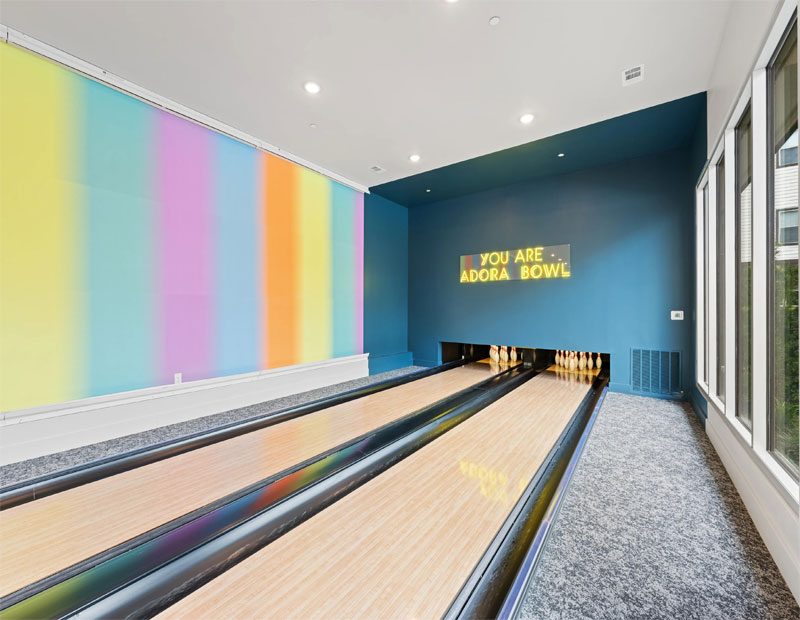
“We (do) always try to put a ‘new to the market’ amenity into our new developments,” she adds. In the past, Hunington has launched podcast rooms, bowling alleys, pickleball and a sky lounge (this feature is newer to suburban markets).
Good has three new developments breaking ground in 2026. One will be located next to a Crystal Lagoon. “We did not have to build that amenity, but we negotiated extreme discount access,” she said. Another will have a “reclaimed look” barn pavilion for gathering and private/large event rentals. Hunington has these plans in the works, while also keeping an eye on the trend toward basic amenities.

Hunington recently delivered three communities in various suburban markets. Two were garden-style three-story walk-ups with a typical amenity plan. The third was a four-story wrap with extensive amenities including a Brunswick two-lane neon bowling alley and game room. “It leased up in record time and the rents are only 5 cents higher per foot compared to the garden,” said Good. “We increased our velocity with the bells and whistles but do not see significant rent jump.”
By the numbers
Even in a less-is-more environment, knowing which amenities will attract and retain residents can be a moving target. The National Apartment Association surveyed apartment owners and operators on which amenities are most important to residents at properties that were either under construction, newly built or where amenities had been upgraded within the past three years.
NAA’s report,The Ongoing Evolution of Amenity Spaces, reveals the growing link between technology and amenity spaces with these findings:
• 47.2 percent of responses ranked technology/connectivity important to package rooms
• 35.9 percent of responses mentioned technology/connectivity important to fitness centers
• In the remote/hybrid era, 91.2 percent of responses ranked technology/connectivity as key to communal working spaces
• Also, 79.3 percent indicated that technology/connectivity are important for EV charging areas
“In addition to the survey data, we expect a range of amenities to be in high demand in 2026,” siad George Ratiu, vice president of research at NAA. For example, in-unit laundry remains one of the most critical amenities for renters today. As temperatures increase, residents across geographies prefer to have air conditioning units and dishwashers, he added.
“Operators are also keeping pet policies and pet-specific spaces—or proximity to dog parks—at the forefront,” said Ratiu. Well-equipped gyms and wellness spaces are expected to remain in-demand in 2026. Renters will continue to favor properties that offer balconies, patios, rooftop terraces and grilling areas.
Smart-home technology like keyless entry and smart thermostats are still important, and perhaps even more than before. “While many urban areas offer access to multiple transit options, parking in private garages and electric vehicle charging stations will also continue to be highly desired by renters in 2026,” said Ratiu.
Whether they’re sticking to the basics or offering a shiny new object, owners and operators seeking to entice apartment residents have a long menu of options to consider.