Leasing Roundtable: Tips for Up-and-Coming Agents
Multifamily insiders share their advice with newcomers looking to find their footing.

Artificial intelligence reshape leasing, and renters’ needs and expectations continue to evolve. For newcomers, the learning curve is steep and juggling multiple responsibilities can feel overwhelming. Multi-Housing News turned to seven current and former leasing agents and community managers for advice on helping the next generation of leasing professionals succeed.
What was the biggest challenge you faced when you started out in leasing, and how did you overcome it?

Deanna Coomer-Pope: My biggest challenge when I first started in leasing was building confidence in presenting the community while still learning all the details—floorplans, amenities, policies and pricing—on the spot. To overcome this, I dedicated time each day to studying the property, shadowed experienced team members and practiced tours with colleagues. Over time, that preparation built my confidence, and I discovered that prospects value genuine connection more than a perfect script.
Yalem Haile: My biggest challenge was learning how to interact with difficult prospects while truly understanding their needs. Over time, I learned to personalize my approach, remain professional and, most importantly, not take interactions personally. Staying positive regardless of circumstances was the key lesson.
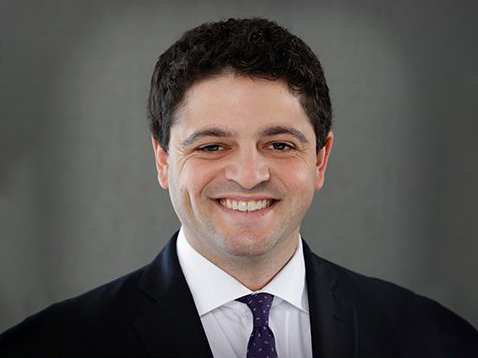
Wesley Jones: My biggest challenge was learning to navigate different personalities. I found that not being afraid to ask questions professionally and personally helped me deliver top-tier service. Once you’ve made that connection with someone, it’s all golden from there.
AJ Markowski: My biggest challenge was building confidence while juggling so many moving parts—learning the property management system, handling leads and mastering the tour flow. Chicago is a fast-paced, competitive market, and prospects expect you to know your stuff. To overcome it, consistency and preparation were key.
What skills do you think are essential for success as a new leasing agent?
BJ Robertson: For someone new to leasing, the skills that matter most aren’t the technical ones—we can teach those. What really sets you up for success are empathy, multitasking and patience. Everything else—the systems, the fair housing training, the sales techniques—you can learn with time. But if you come in with those three core skills, the rest is just fine-tuning.

Imajine Click: I believe good communication skills, product knowledge, organization and time management are all key factors to being a successful new leasing agent. Above all, a strong work ethic and willingness to learn will carry you far.
Coomer-Pope: I think the most foundational skills for a new leasing agent are strong communication and active listening. It’s important to understand what matters most to each prospect. Organization is also key, since you’re constantly balancing leads, follow-ups and resident needs. And, finally, resilience and positivity are invaluable.
Lindsey Goodstat: Strong communication, ability to connect with a diverse prospect pool, time management, and attention to detail are all skills that I would consider essential to the success of new leasing agents.
What do you wish someone had told you on your first day in the role?
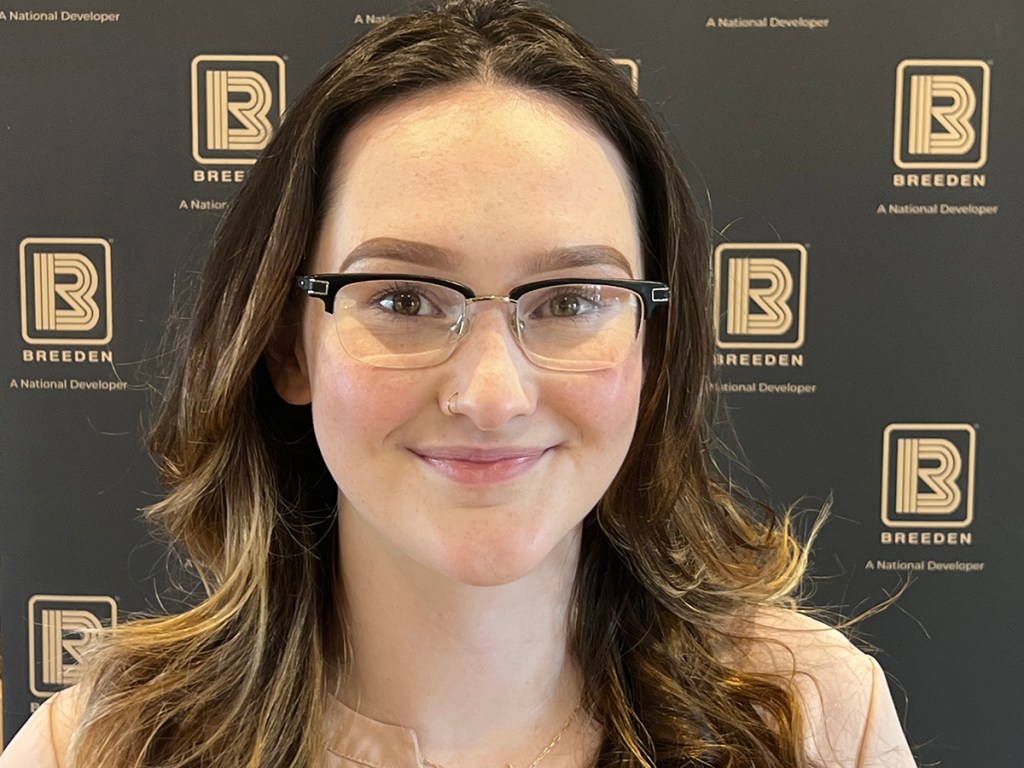
Click: I wish I had known just how much impact a leasing agent can have on someone’s decision to make a place their home. It’s more than just showing units. You’re helping people find where they’ll live their lives. That perspective makes the job feel much more meaningful and rewarding.
Coomer-Pope: I wish someone had told me on my first day that it’s okay not to know everything right away. Leasing is less about memorizing every detail and more about building trust and relationships. Prospects appreciate honesty. If you don’t know an answer, it’s better to say you’ll find out and then follow through quickly. That reliability not only builds credibility, it also shows prospects you genuinely care about their needs.
Goodstat: As a leasing agent, you are the face of the community, the first impression, so strive to create a positive experience immediately while also being yourself!
Haile: I wish someone had told me that challenges and objections aren’t setbacks. They’re actually opportunities to grow, improve and refine your skills. Each difficult interaction can teach you something valuable and, ultimately, make you a stronger leasing professional.
Jones: Don’t be scared. Sometimes the best decisions are made when we do what feels right. Ultimately, the level of success you want to have is in your hands.
Robertson: If I could go back to my first day, I’d tell myself one thing: The residents aren’t actually mad at you. The truth is that most residents just want to be heard and helped. They’re looking for a solution, not a fight.
Practical tips for effective property tours
Coomer-Pope: Personalize the experience—if they mention loving to cook, spend extra time in the kitchen.
Goodstat: Be genuine in your conversations during prospect tours, and practice active listening.
Haile: Make every tour fun, engaging and efficient. Use time wisely!
Jones: Ask lots of questions. Connect with your prospect and the rest will fall into place.
Markowski: Be personable, not scripted. Learn what matters most to prospects and tailor the tour.
Robertson: Make the tour feel like an experience. When prospects see themselves thriving in the space, they’re much more likely to sign.
How does technology influence your work, and which tools should new agents learn first?
Click: From lead management and tour scheduling to application processing, resident communication and reporting, we rely heavily on different platforms to keep operations running smoothly. For new leasing agents, it’s crucial to quickly learn the property management software, whether that’s Yardi, AppFolio, RealPage or another system.L

Goodstat: Technology plays a significant role in my team’s daily work. From an administration perspective, it continuously allows us to streamline processes; and from a social media perspective, it allows us to further nourish our connections with our residents, prospects, surrounding community and our followers.
AJ Markowski: Technology drives almost everything now—from tracking leads in CRM systems to virtual tours and online applications. New agents should get comfortable with digital communication tools, learn how to manage their calendar efficiently and use follow-up automations to stay in touch with prospects. In Chicago, where renters often shop multiple properties at once, fast and polished communication sets you apart. Timing is everything. If you wait even a few hours to respond, that lead is probably already touring somewhere else.
How do you see the role of leasing professionals evolving over the next five to 10 years?
Click: While automation, AI and self-guided tours are becoming more common, I believe the human side of leasing will remain just as important, if not more. Ultimately, while the tools may change, the core of leasing will stay the same: making meaningful connections with people and helping them find a place they can call home.
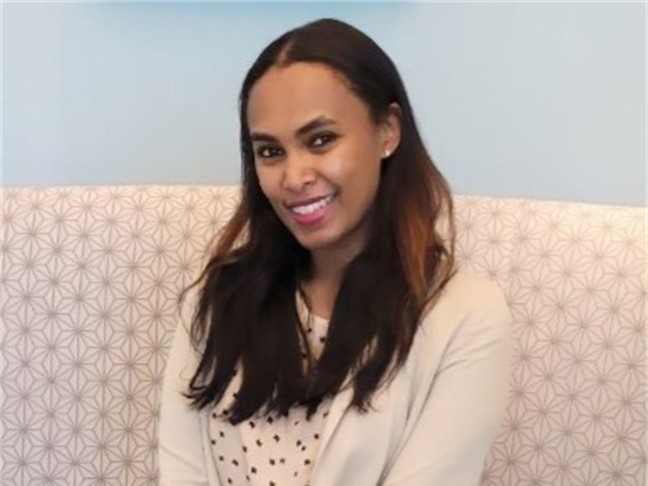
Coomer-Pope: I see the role of leasing professionals becoming increasingly consultative. As technology takes on more of the transactional tasks like scheduling, online leasing and even AI-assisted tours, leasing teams will focus more on creating personalized, human connections that set communities apart. There will also be a stronger emphasis on data-driven decision-making, with agents using analytics to understand lead sources and adapt strategies. What will stay consistent is the customer-first mindset.
Goodstat: I think we will see a heavier shift to an enhanced resident experience. AI will start to manage more of the administrative tasks, allowing leasing agents to further focus on personalized interactions and building lasting relationships with their prospects and residents.
Haile: Over the next five to 10 years, I see the most successful leasing professionals being the ones who combine efficiency through technology with genuine personal connections that make people feel valued and at home. At the end of the day, people don’t just want an apartment, they want a place to feel at home, and that can only be achieved through genuine human connection.
If you could give one piece of advice to someone who is about to start their first leasing job, what would it be?
Click: My advice would be to embrace the learning process and be patient with yourself. Leasing is a role that requires you to quickly absorb a lot of information—about the property, policies, software and, most importantly, about people’s needs. Don’t be afraid to ask questions and seek guidance from your team.

Goodstat: Be yourself and have fun! More often than not, a prospect will lease at a community based on the team and their dynamic —not just on the apartment itself.
Jones: No question is a dumb question. Ask, ask, ask! Don’t be scared. You were hired because you have something special, otherwise you would not be here.
Markowski: Stay curious and stay consistent. Every call, tour and follow-up teaches you something new. Don’t get discouraged if the first few weeks feel overwhelming—everyone starts there. Take it one day at a time and don’t be afraid to make mistakes. Every ‘no’ gets you closer to a ‘yes.’
Robertson: Don’t burn bridges. The property management world is smaller than it seems, and your reputation travels faster than you think.