Housing Essential Workers in Pricey Communities
Building workforce housing remains a challenge. Here are some solutions.

As housing costs continue to rise in many U.S. regions, a growing number of communities are grappling with a question that directly affects their economic stability: Where will essential workers live? Teachers, police officers, nurses, retail clerks and hospitality staff are the backbone of local economies. Yet in high-cost markets—especially resort towns and coastal areas—these earners are increasingly priced out. Workforce housing is emerging as a vital strategy to bridge the gap.
LIKE THIS CONTENT? Subscribe to the Finance & Investment Newsletter
Workforce housing typically serves households earning between 60 percent and 120 percent of area median income. These are not the lowest-income households, but they are also often unable to afford prevailing market rents or homeownership costs. For communities, the benefits are clear: shorter commutes, stronger civic engagement and a more reliable local workforce.
Equally important, workforce housing helps prevent regions from becoming enclaves of only the wealthiest residents or second-home owners. By supporting middle-income earners, towns can preserve the diversity that enriches civic and cultural life.
Challenges on the ground
Despite its benefits, workforce housing faces many of the same obstacles as traditional affordable housing. High development costs, scarce land, restrictive zoning and community opposition all play a role. In some markets, climate and infrastructure add complexity—cold mountain climates demand more robust construction, while flood and fire risks drive up insurance costs.
Perhaps the greatest hurdle is financial. Unlike housing for very-low-income residents, workforce housing lacks a robust federal subsidy. Programs such as low-income housing tax credits are generally limited to households earning below 60 percent AMI, leaving a gap for moderate-income earners. Colorado has taken a groundbreaking step by introducing middle income housing tax credits, but most states are still exploring ways to address this missing-middle market.
Strategies for success
Developers and policymakers have identified several best practices for advancing workforce housing initiatives:
Engage early and often: Convening employers, housing authorities, civic leaders and residents early in the planning process helps build consensus and reduces opposition. Educational workshops can dispel misconceptions and highlight the community benefits.
Meet communities where they are: Working with partners with local knowledge and cultivating champions among elected officials and neighborhood leaders builds trust. Open forums should acknowledge concerns while positioning workforce housing as part of a long-term solution.
Put people first: Highlighting the real beneficiaries—teachers, first responders, snowplow drivers—personalizes the issue. Residents often realize that their daily lives are directly impacted when essential workers cannot afford to live locally.
Leverage media and messaging: Consistent, inclusive language paired with earned and paid media can help shift public opinion. Thoughtful design that fits the neighborhood context also alleviates concerns about property values.
Innovate in policy and finance: Creative solutions such as tax exemptions, zoning adjustments or local funding programs can bridge financing gaps. Layering multiple funding sources is often essential.
Case study: Frisco, Colo.
The NHP Foundation, a nonprofit affordable housing developer with a national footprint, is applying these strategies in Summit County, Colo.—a region where over half the housing stock is vacation homes and median incomes have been increasing rapidly since the pandemic.
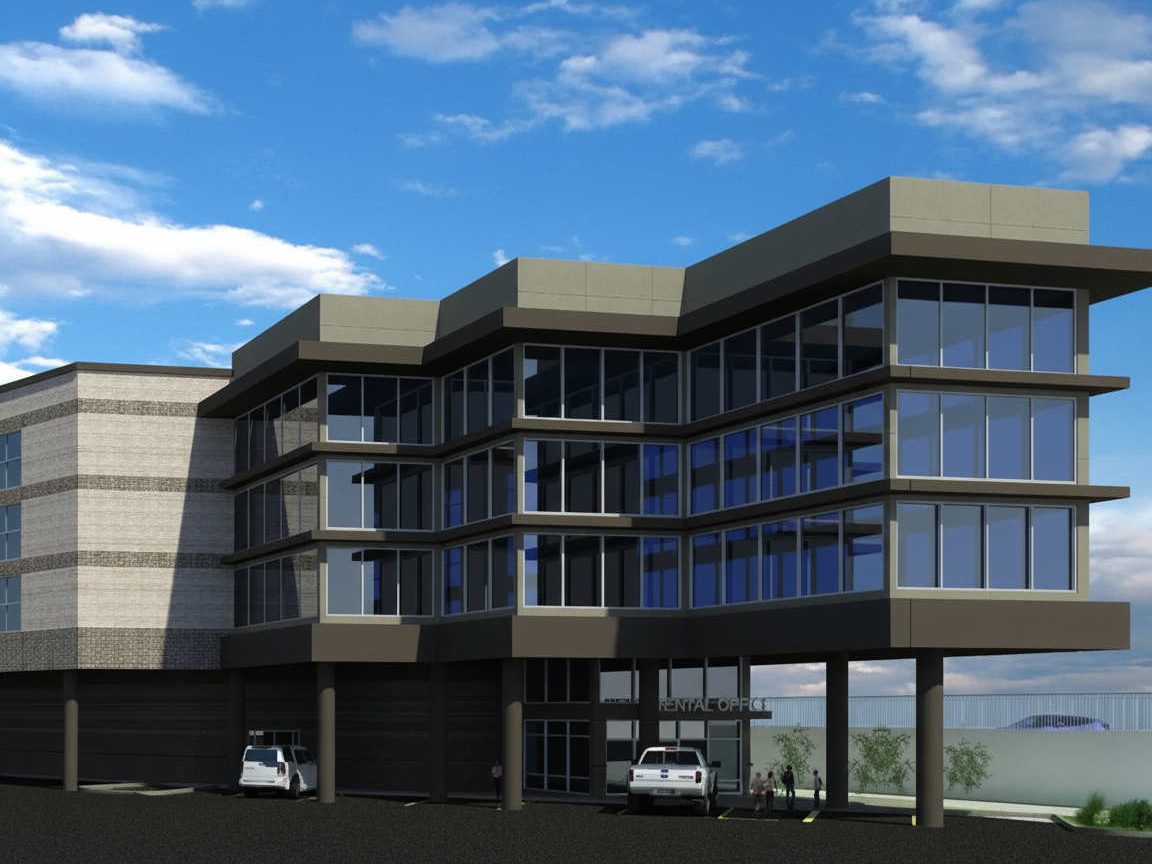
In Frisco, where second homes dominate the market and vehicle homelessness has also risen, NHPF has partnered with the town to redevelop a municipally owned parcel into Galena Apartments. The team recently broke ground on the 54-unit energy-efficient building that will provide income-restricted housing targeted to middle-income households, including nurses, ski patrol and teachers.
Critical to the project’s progress has been strong local government support. The Town of Frisco established its own housing authority to provide property tax exemptions and has amended zoning codes to allow greater building height and density. Combined with essential gap financing and expedited permit reviews, these steps have created a supportive environment for below-market development that might otherwise stall in such a constrained market.
NHPF also leveraged its 501c3 nonprofit status to borrow 501c3 tax-exempt bonds. These bonds, issued by the Colorado Middle-Income Housing Authority, offer flexible financing and lower interest rates. NHPF’s pledge to guarantee the debt payments on the bonds further lowered the interest rate, allowing the project to borrow $6 million more, fully closing the gap. This innovative financing tool is starting to be used across the country to finance nonprofit-led workforce housing developments.
The road ahead
Workforce housing is not a quick fix but rather a long-term commitment. Success depends on consistent engagement, thoughtful design, reliable financing and strong partnerships across sectors. As more states experiment with dedicated funding tools and as communities recognize the link between stable housing and economic vitality, the model is gaining traction.
Ultimately, sustaining vibrant communities requires ensuring that the people who serve them can afford to live in them. By addressing this urgent need through innovative policy, finance and design, workforce housing can help keep America’s towns and cities diverse, resilient and thriving.
Lauren Avioli is assistant vice president, acquisitions for NHP Foundation.