Related Group CEO: A Live-Work-Play Hub in Miami’s Creative Core
Jon Paul Pérez on what today's renters value most in the city's Wynwood neighborhood.
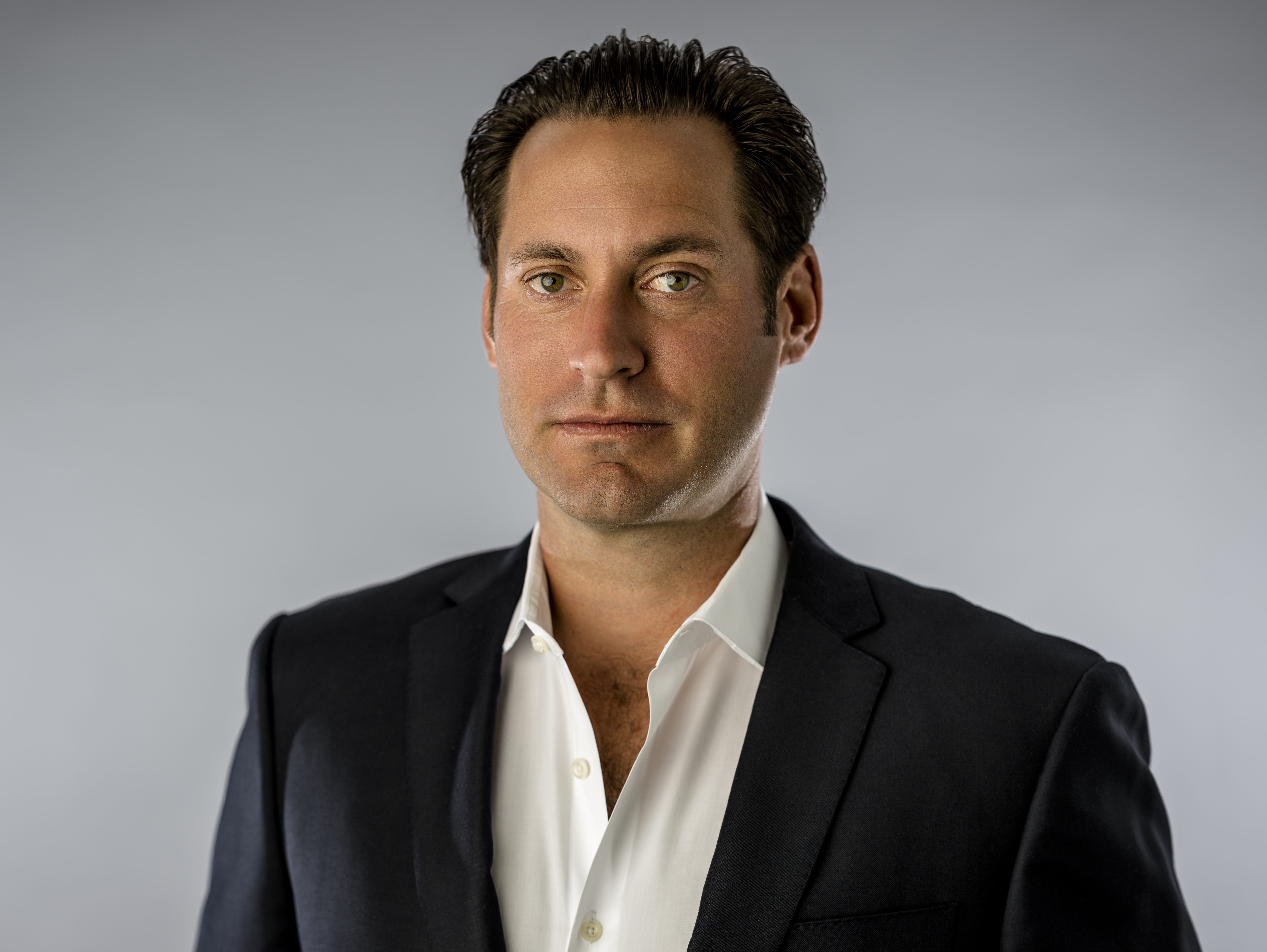
For nearly five decades, Related Group has played a major role in shaping Miami’s skyline and residential market. In Wynwood, the developer is extending its reach with projects that respond to the neighborhood’s creative energy and to the evolving expectations of today’s renters.
CEO Jon Paul Pérez oversaw the company’s entry into the district years ago. Today, Pérez and his team are experimenting with formats that emphasize community, flexibility and lifestyle: from art-integrated luxury rentals to purpose-built co-living concepts. The company’s work in Wynwood reflects a broader rethinking of what residential design can look like in fast-growing, mixed-use districts.
In this conversation with Multi-Housing News, Pérez reflects on Related’s growing presence in Wynwood, and the ways the district’s evolution is inspiring new approaches to urban living.
REAS ALSO: The Rise of Micro Apartments
In what ways has your initial vision for the neighborhood changed over the years?
Pérez: When we first looked at Wynwood, we saw a neighborhood full of energy and creativity, but it was mostly known as an arts district. Our vision was to help it become a place where people could actually live, work and enjoy everything the area had to offer.
Over the years, it’s really grown into that—a vibrant community where offices, restaurants, art and nightlife all come together. Seeing it evolve into a live-work-play hub has been incredibly rewarding, and our projects like The Highley and i5 Wynwood are really a reflection of that energy.
i5 Wynwood was actually Miami’s first purpose-built co-living model. Why did you pursue this concept, and how did you adapt it to Wynwood’s specific context?
Pérez: We were seeing a clear shift in how younger renters—and even some professionals of all ages—approach city living. Many don’t necessarily need large apartments. What they value most is flexibility, convenience and a sense of community. They want to live in vibrant, desirable neighborhoods like Wynwood, but traditional long-term leases and high rents make that difficult. At the same time, people are increasingly looking for an experience in their home—not just a place to sleep—where shared spaces and curated amenities can create connections with neighbors.
i5 Wynwood was designed to meet those evolving needs. Every unit comes fully furnished, with utilities included, so residents can move in quickly and without hassle. The common areas, from lounges and kitchens to coworking spaces, are designed to foster interaction, networking and community. Short-term leases give people the flexibility to adjust their living situation without being tied down. And throughout it all, the design is intentional: modern, playful, and reflective of Wynwood’s creative energy.
This model has shown us that there’s real demand for living solutions that break away from the traditional apartment paradigm and it gives us a blueprint for how to approach similar high-demand markets in the future.

i5 Wynwood was developed by Related Group and W5 Group as Miami’s first purpose-built co-living community. All images by Robin Hill, courtesy of Related Group 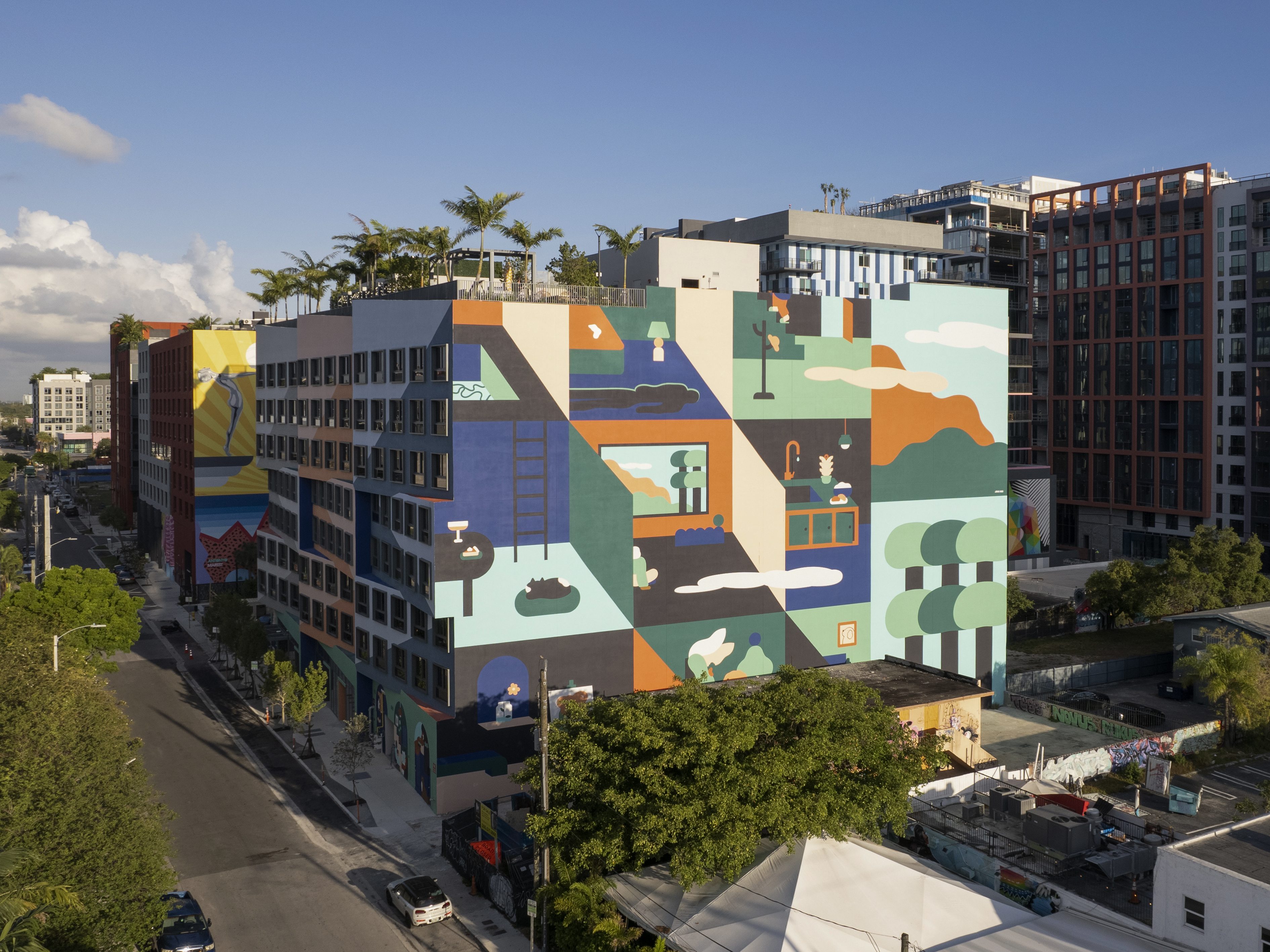
The property brings a mix of furnished co-living units and traditional apartments to Wynwood’s creative district. 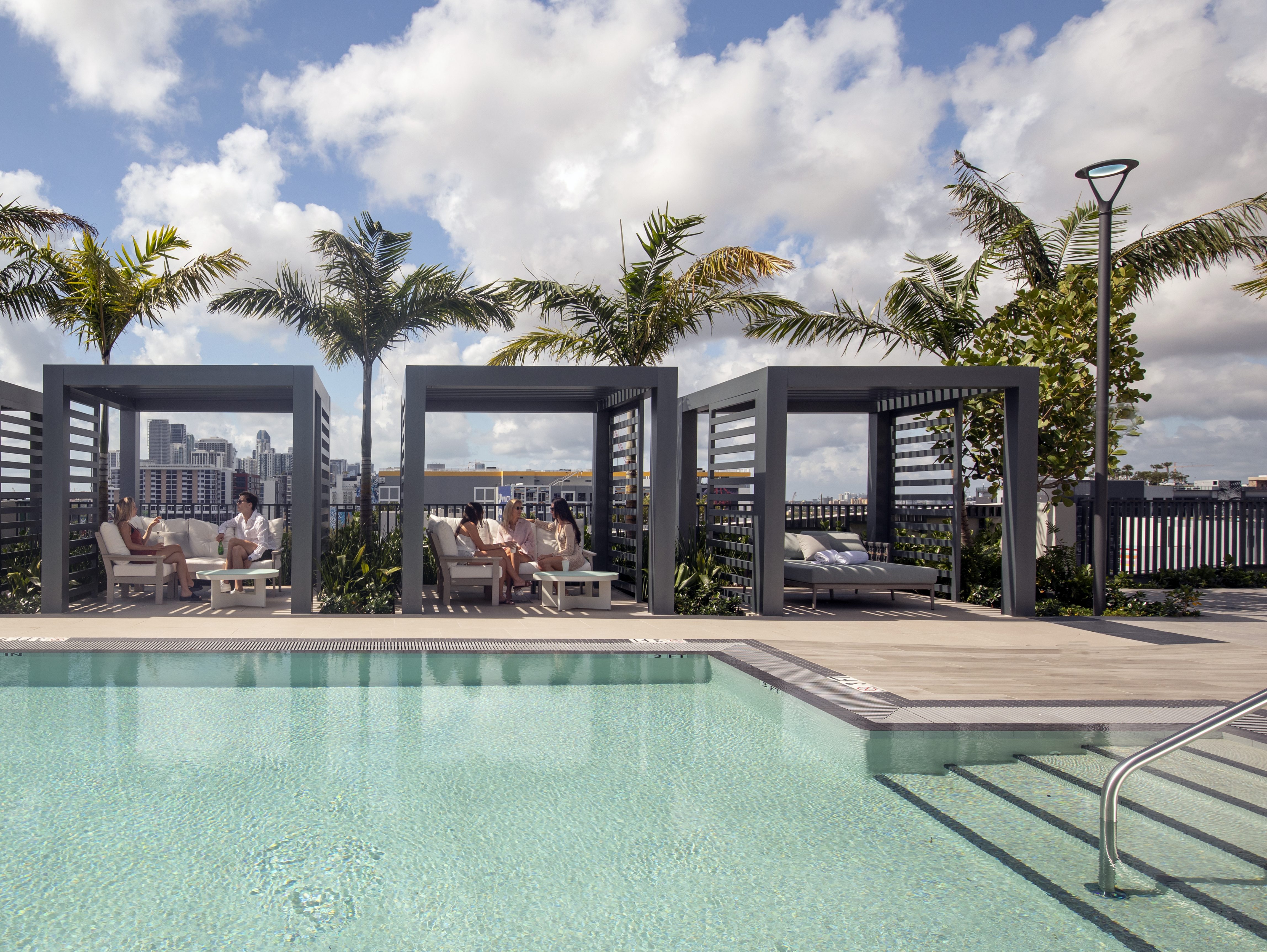
The pool deck serves as one of several shared spaces designed to encourage interaction among residents. 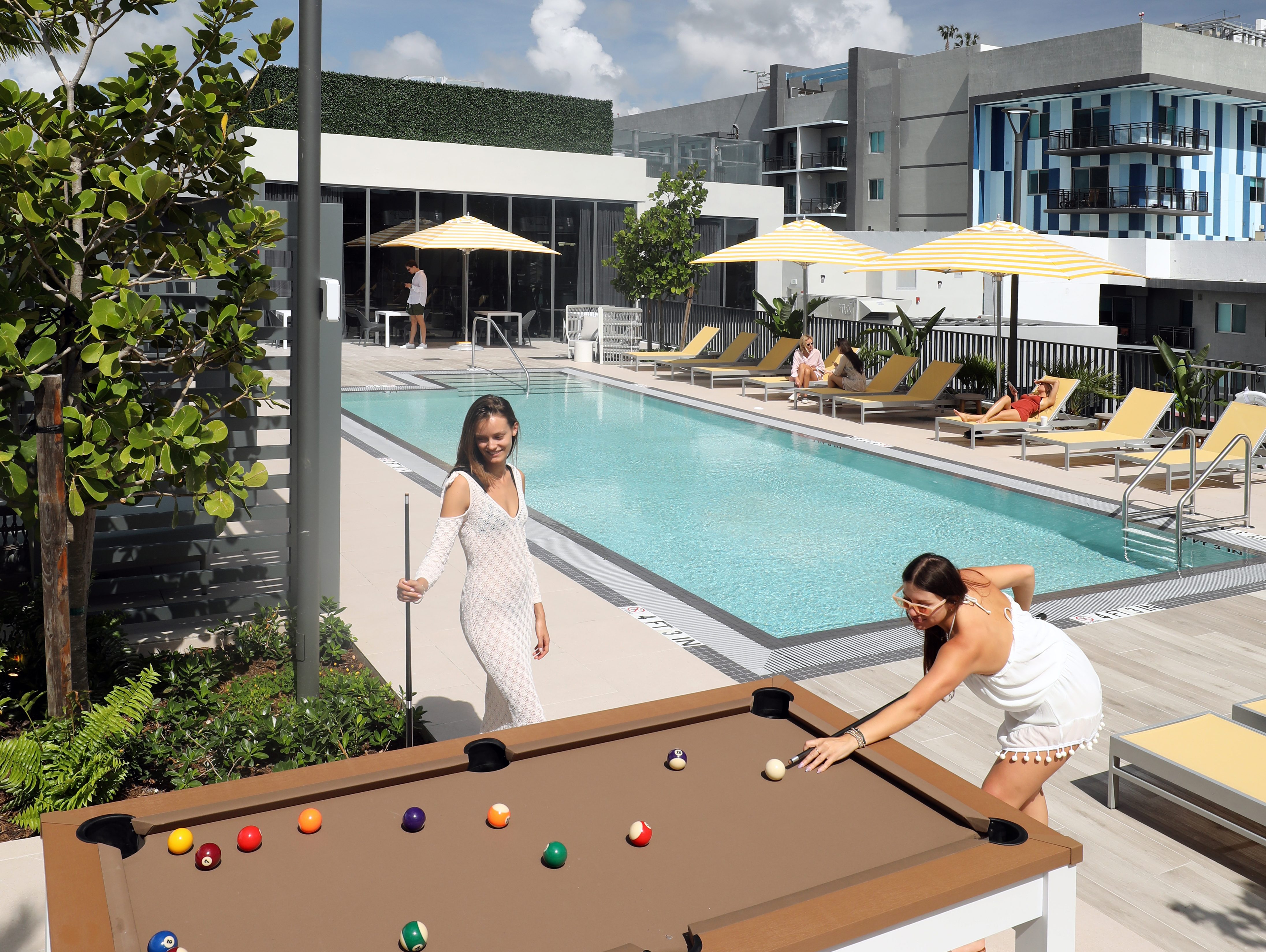
Outdoor amenities like the pool area reflect the project’s focus on lifestyle and community. 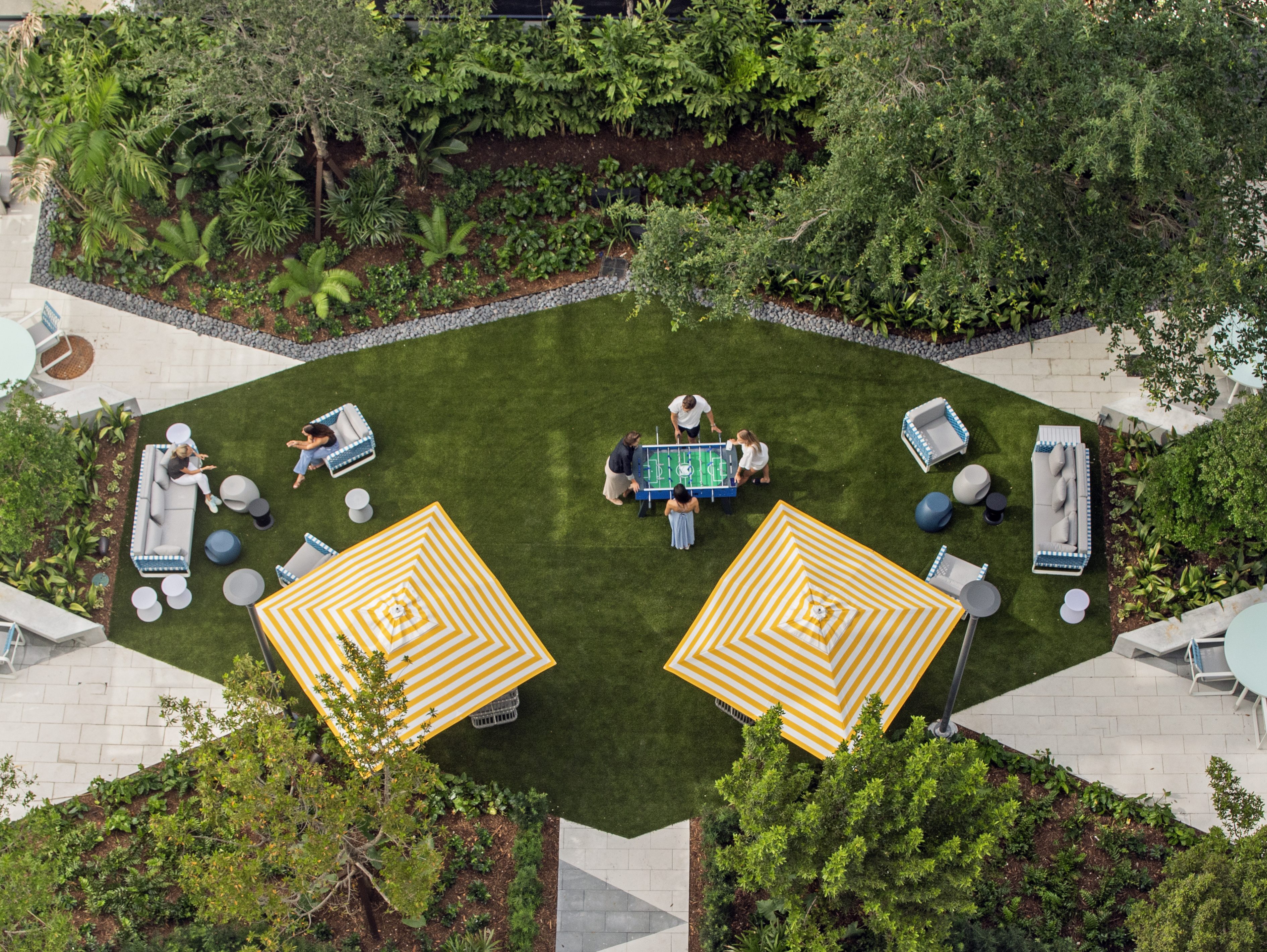
Green courtyards complement Wynwood’s urban setting and add a layer of community space. 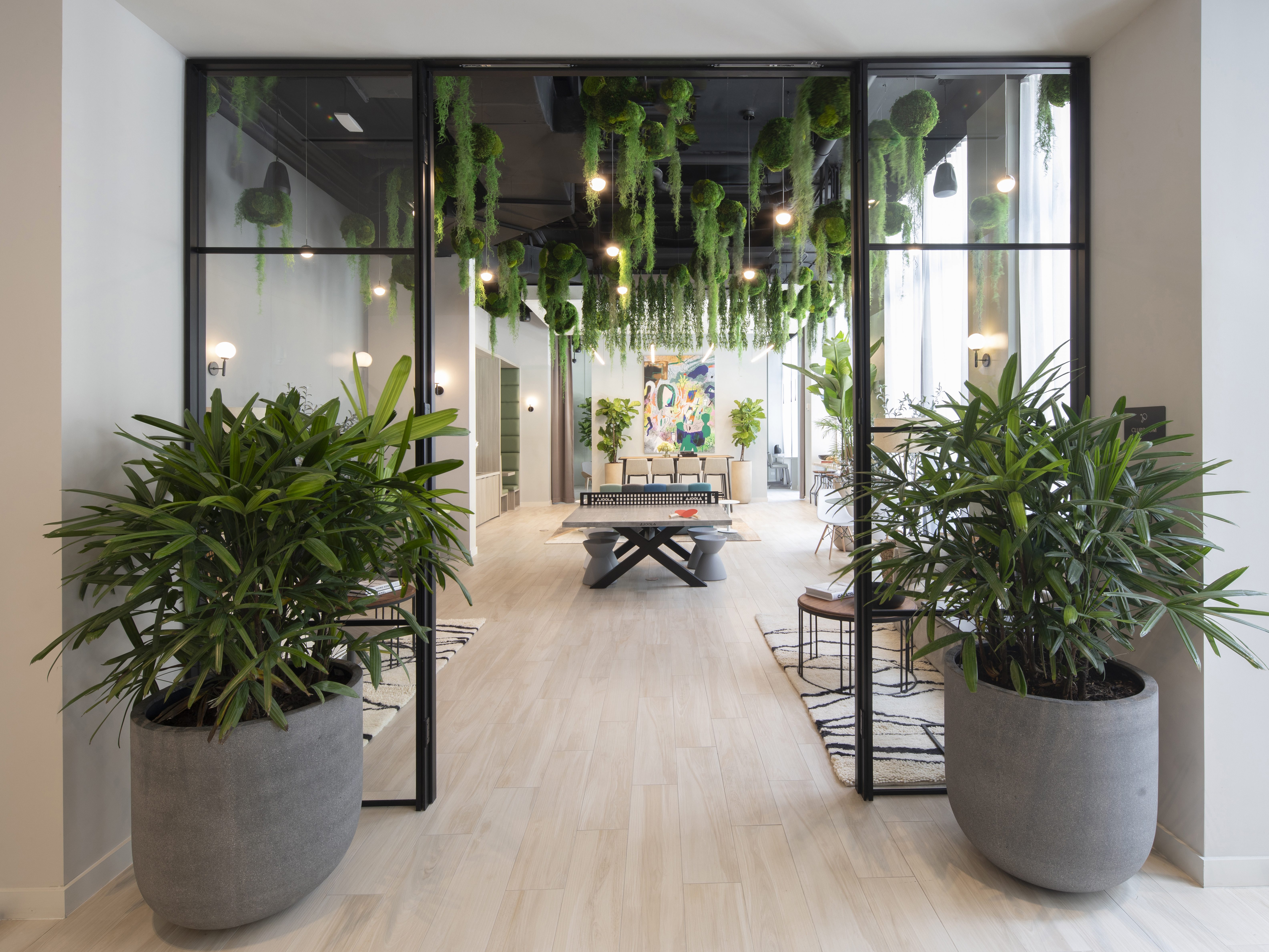
Coworking areas give residents flexible space for remote work, networking and collaboration. 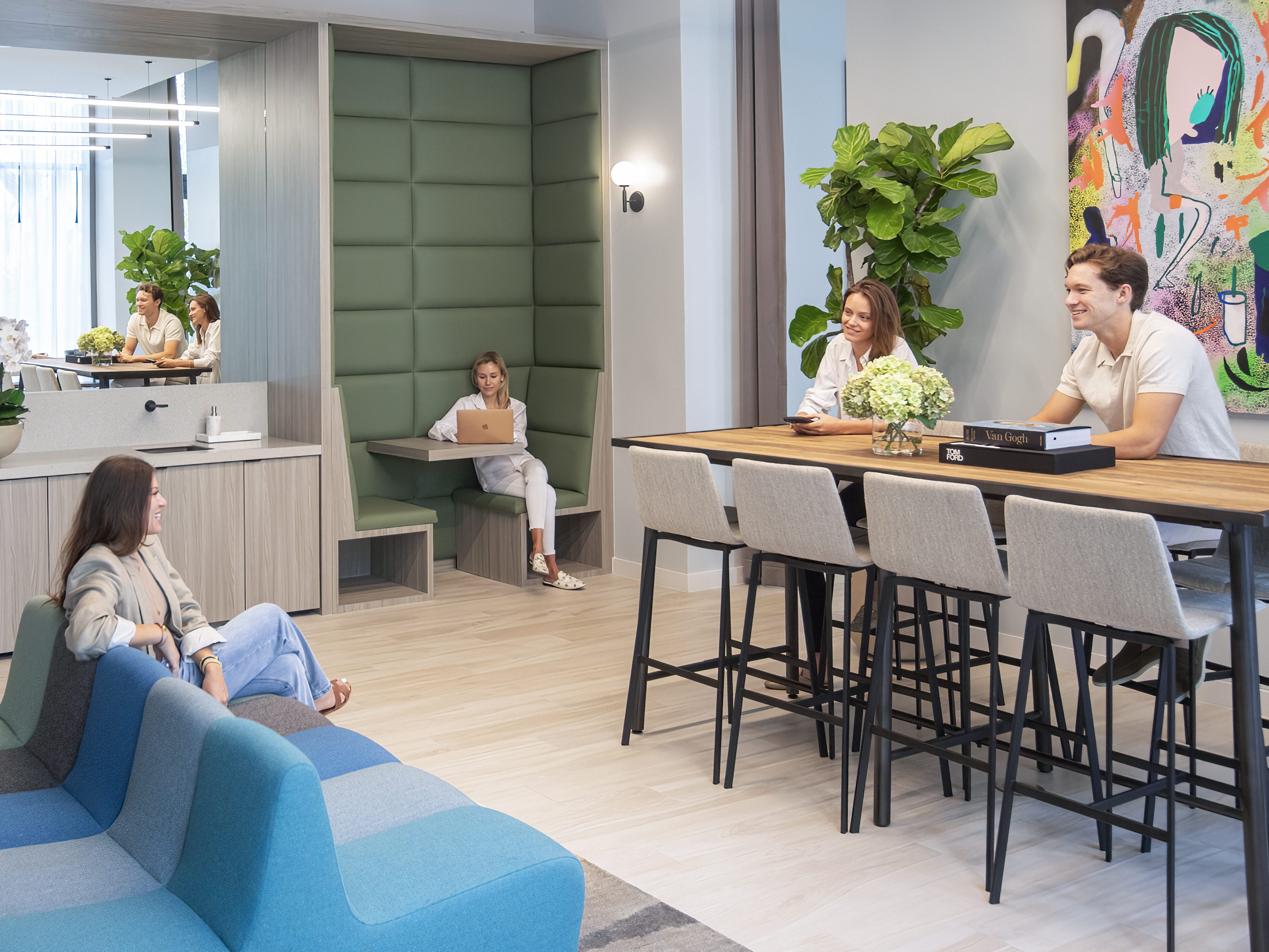
Shared kitchens and lounges are central to the co-living model, balancing privacy with connection. 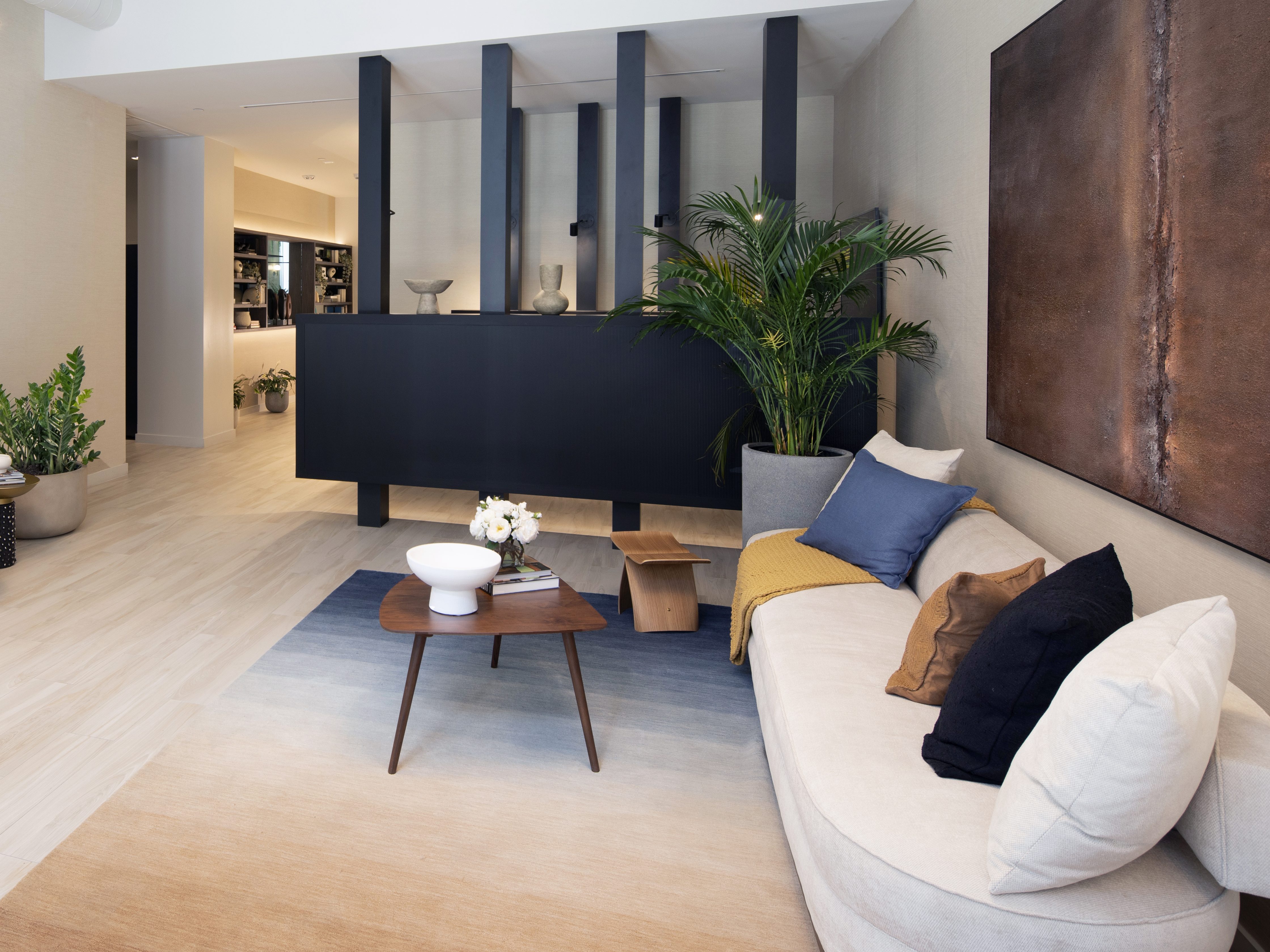
Private bedrooms at i5 Wynwood come fully furnished, with utilities included to simplify move-in.
Another key part of i5’s appeal is its affordability, with rents significantly lower than traditional studios. How did you approach affordability without compromising on design, amenities or community experience?
Pérez: Affordability doesn’t mean sacrificing quality or experience. We designed units to be fully furnished and inclusive of utilities, which makes the total cost significantly lower—about 40 percent less than a typical studio in the area—without cutting corners on style or comfort. Beyond the units themselves, we focused on shared spaces that encourage interaction and create a strong sense of community. Residents still get design-forward interiors, engaging common areas and lifestyle-driven amenities. The key is delivering real value: making urban living accessible without making it feel generic or compromised.
Do you see co-living as a scalable solution for other urban markets, or is it uniquely suited to places like Wynwood? What lessons from i5 Wynwood could inform your future developments?
Pérez: Co-living is not unique to Wynwood, and at Related Group we see it as a model that can succeed in other high-demand, high-cost urban markets.
Our work with i5 Wynwood has given us firsthand insight into what makes co-living successful—flexibility, affordability and thoughtfully designed shared spaces that foster real community. This project has positioned us as pioneers in purpose-built co-living in Miami and the lessons we’ve learned inform how we approach new developments nationwide. We know how to adapt innovative concepts to the personality of each neighborhood, ensuring that every project resonates with local culture while delivering maximum value for residents.
READ ALSO: Why The Standard Residences in Miami Is Anything But Standard
Speaking of local culture, Wynwood’s identity has long been rooted in creativity and culture. How did you ensure that your developments would complement—rather than diminish—that character?
Pérez: For us, respecting Wynwood’s character was non-negotiable. We never wanted to come in and impose a cookie-cutter approach. Everything we do is designed to enhance what’s already here. That means working with local artists, integrating curated art into the buildings and creating spaces that encourage connection. The Highley House, for example, feels like a boutique hotel, but it’s built for everyday life—it’s creative, welcoming and aligned with the neighborhood’s vibe.
The other development you mentioned earlier, The Highley House, also seems to tap into what today’s renters value most. How does lifestyle programming support that approach within your broader leasing and retention strategy?
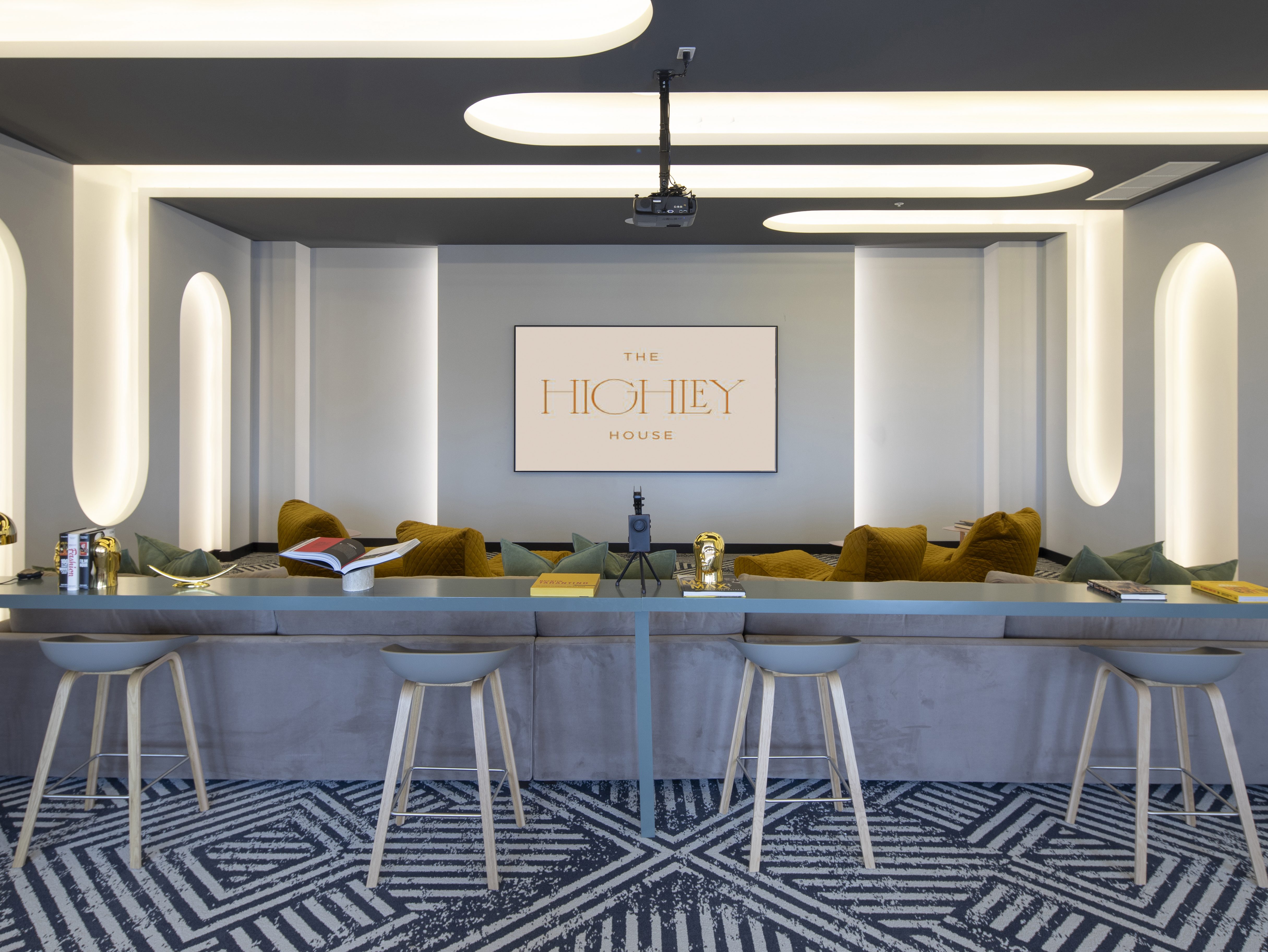
Pérez: Lifestyle amenities are more than perks. They’re central to our leasing and retention strategy. At The Highley House, we introduced creative and unexpected features like the podcast studio, meditation room, cold plunge, golf simulator and curated art to create moments that surprise and inspire residents. In a neighborhood like Wynwood, people respond to creativity and experiences, so we pay close attention to what residents want and what fits the local culture. These spaces help people connect, explore new hobbies, and feel part of a community, which in turn supports leasing and long-term resident satisfaction.
With The Highley and i5 Wynwood nearly fully leased in under a year, what market gaps are they addressing?
Pérez: The Highley House and i5 Wynwood were intentionally designed to serve two very different needs.
The Highley was built for people who want elevated, artful living in a neighborhood that thrives on creativity. We partnered with leading artists and designers to create a property that feels like a boutique hotel but is made for everyday life. The amenity package is one of the most creative we’ve ever delivered in our rental portfolio. The response has been incredible: the project averaged over 40 leases per month until it hit 80 percent occupancy, nearly three times the pace of a typical multifamily lease-up. That tells us there’s a real appetite for residential spaces that prioritize design, creativity, and lifestyle.
i5 Wynwood, on the other hand, fills a completely different gap. It brings furnished co-living and traditional apartments together at a much more attainable price point, without sacrificing style or location. All-in, i5 is about 40 percent more affordable than a traditional studio in Wynwood when you factor in furniture, utilities and flexibility. For many renters, that combination simply didn’t exist before. It’s a first-of-its-kind concept for us, and the strong demand proves that more accessible, flexible housing has an important role to play in Miami’s rental landscape.
The strong leasing activity at both projects indicates solid demand for urban living in Miami. How do you read this trend?

Pérez: The quick lease-up of The Highley and i5 is a clear signal that people want to be in neighborhoods that feel alive. Today’s renters are not just looking for an apartment—they want to live in a place where they can walk to restaurants, engage with art and culture, and feel part of a larger community. Wynwood, with its mix of creativity, dining and business activity, offers exactly that, and our projects are designed to amplify that lifestyle.
For us as developers, the takeaway is that urban living is increasingly experience-driven. The most successful projects moving forward will be the ones that integrate seamlessly with their neighborhoods and offer thoughtful amenities that reflect the values of modern renters: convenience, community and design. We believe this is not just a Miami trend but a broader shift that will shape how residential districts evolve in other cities as well. Developers who understand that distinction will be the ones who thrive.
What’s next for you in Wynwood?
Pérez: We are always exploring new opportunities in Wynwood, whether that is additional phases of existing projects or entirely new housing formats inspired by what we have learned with The Highley House and i5 Wynwood. Our goal is to continue creating spaces that feel deeply connected to the neighborhood’s culture, offer meaningful amenities, and foster community. Wynwood continues to be one of Miami’s most dynamic neighborhoods, and we want to ensure our projects grow with it, reflecting its energy and diversity while offering residents spaces they are proud to call home.