From Industrial Roots to Residential Growth: LKWP’s Strategic Pivot
The Seattle-based firm is venturing into apartments after two decades in office and industrial. CEO Jordan Lott discusses what's driving the move.

As the commercial real estate landscape continues to evolve, long-standing investors are rebalancing their portfolios, and many find stability in the multifamily sector. Lake Washington Partners—a Seattle-based family-owned investment and development firm with a 10.6 million-square-foot footprint in office and industrial assets—is among them.
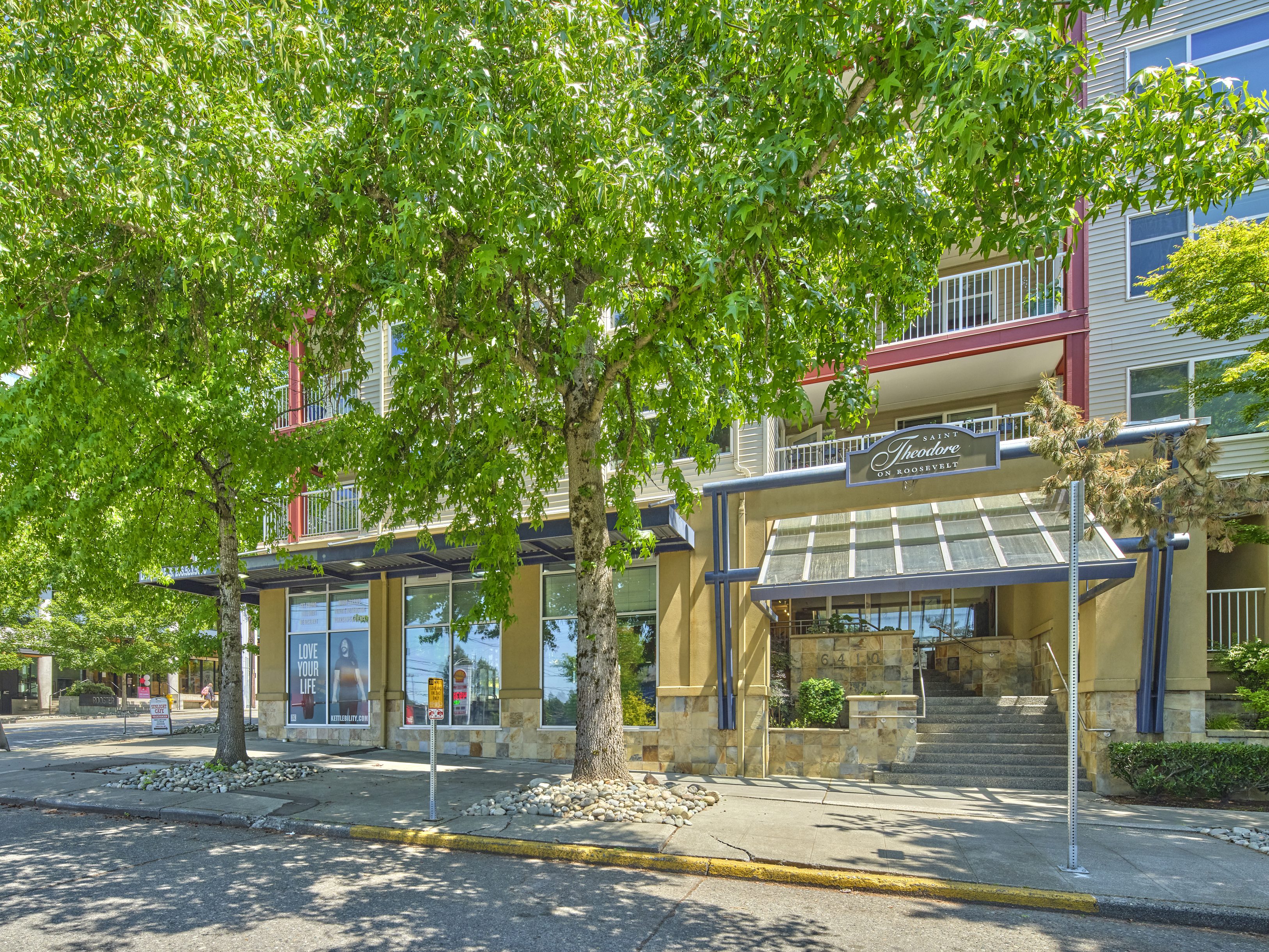
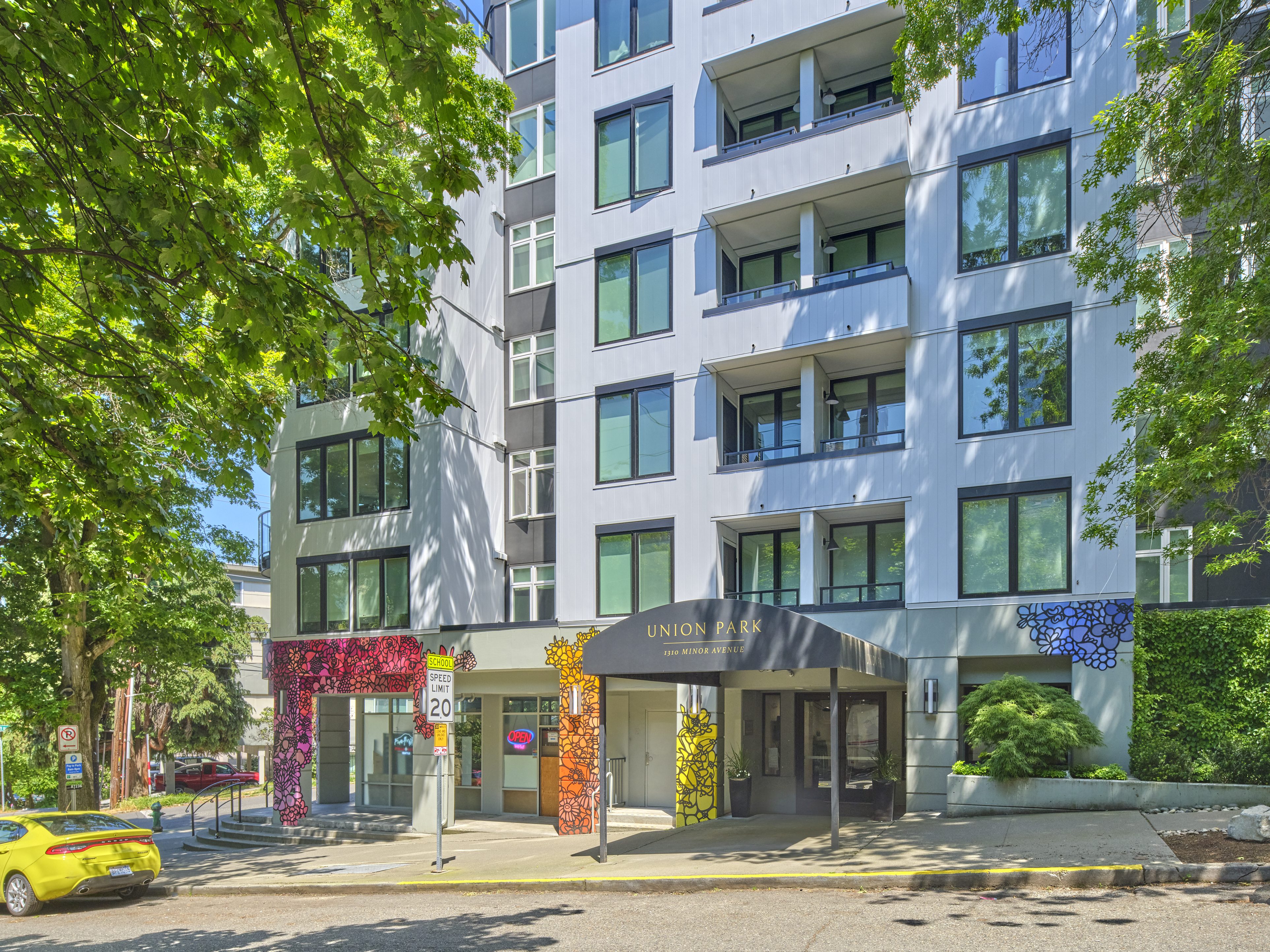
The company recently launched its multifamily division, Refound Residential, aiming to diversify its holdings and respond to sustained demand for workforce housing. Refound Residential’s first acquisitions are in Seattle, where housing affordability is a pressing issue. The firm is targeting well-located properties that can be upgraded to provide quality units at more accessible price points.
Multi-Housing News sat down with Jordan Lott, president & CEO of LKWP, to discuss the company’s entry into multifamily and how Refound Residential fits into its long-term investment strategy.
What prompted your decision to enter the multifamily sector now?
Lott: LKWP is dedicated to both geographic and product type diversification, and multifamily housing helps broaden our real estate portfolio, which is an important aspect of our strategy. More than half of Seattle residents are renters, so it makes it an ideal market to grow this division of our portfolio. There are other benefits to apartment investing, including overall market depth and liquidity, shorter-term leases and lower tenant concentration that make it an attractive asset class.
You launched Refound Residential to spearhead this new direction. Tell us more about how this newly created entity aligns with LKWP’s broader legacy.
Lott: The LKWP legacy dates back to the 1950s, when my grandfather first got our family into real estate. We have always been long-term thinkers, choosing to own property for decades, not years. We went in with the same mentality when starting Refound Residential, the multifamily arm of LKWP.
We have always chosen to reinvest into our properties for the long term. Whether it’s a new lobby, truck door or a Refound Residential apartment upgrade, there hasn’t been a time when we didn’t reinvest into our assets.
Can you walk us through the acquisition strategy behind your first group of multifamily assets?
Lott: Refound Residential is designed to utilize an adaptive-reuse strategy, which is just a fancy way of saying we want to buy something that’s already good and make it better. We buy good buildings in great locations and strategically improve them so that tenants have high-quality units at a cost that is more affordable than new construction.
How do you evaluate workforce housing opportunities in today’s economic climate and in high-barrier markets like Seattle?
Lott: In today’s economic climate, particularly in high-barrier markets like Seattle, we evaluate workforce housing opportunities by focusing on properties that combine long-term value with strong livability for residents. We place a premium on buildings that are well located, offering convenient access to employment centers, public transportation, dining and the unique amenities Seattle has to offer.
Are you planning to self-manage these family assets, or will you partner with third-party operators?
Lott: Residential property management is a specialized skill, and we are happy to hire best-in-class property management companies to do this for us.
READ ALSO: What Multifamily Pros Wish They Knew at the Start of Their Careers
What metrics or indicators are you monitoring to assess the performance and resilience of your multifamily investments and/or developments?
Lott: We really don’t believe in complex metrics of financial performance and don’t spend a lot of time worrying about them. Over the last 50 years, property values and rental rates have increased over time. Almost anything you would have purchased 50 years ago would be worth more today. The secret is not financially engineering an outcome, it’s good management and long-term holding.
LKWP has a strong reputation for community stewardship. Will you be integrating ESG and or social impact principles into your multifamily investments?
Lott: LKWP believes in doing what is right. It is really simple to say but hard to do. There are countless opportunities to cut corners and think short-term. But when we focus on long-term objectives, we tend to be more successful.
Looking ahead, what role will multifamily play within your broader portfolio five or 10 years from now? Could it become a core pillar alongside industrial and office?
Lott: LKWP has a strong track record of long-term ownership. We believe it’s the better strategy. In commercial real estate, there is a huge cost to getting in and out of properties, so we tend to stay with our purchases for the long run.
We have made a significant investment into multifamily real estate recently with Refound Residential and continue to look for more opportunities to invest in the asset class. There is a strong likelihood we will still own the assets we have today well into the future.
There have been years when our office spaces performed very well and years they didn’t. The goal of our diversification strategy is to smooth out those ups and downs. We certainly did not see COVID-19 and remote work coming, nor did we know that it would have a devastating effect on office values nationwide. The flip side is that we also didn’t anticipate the positive effect on industrial values and lease rates.