Turning Vacant Properties Into Affordable Housing
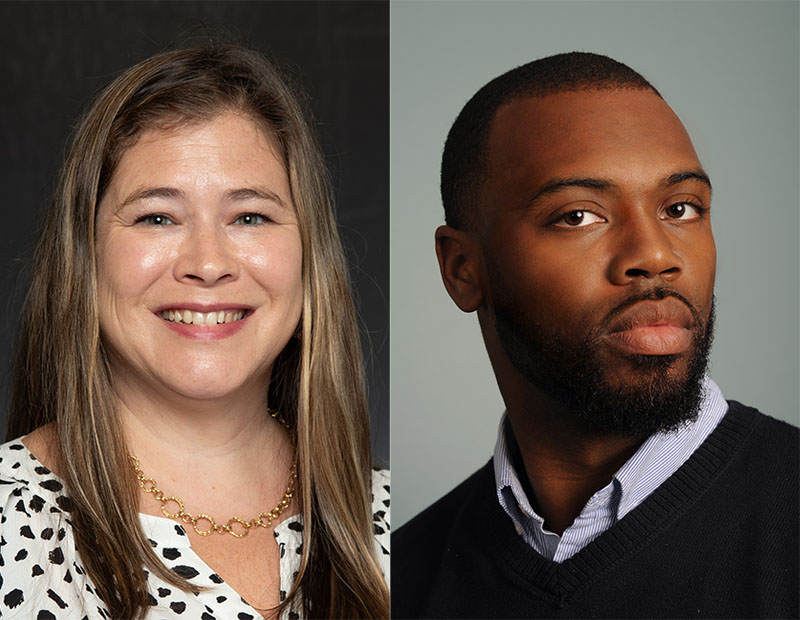
Shana Carroll of D.W. Kozera and Mansur Abdul-Malik of NHPF on making the most of this overlooked opportunity.
The issue of vacant homes and properties in the United States has been a persistent challenge, in both urban and rural areas. The U.S. Census Bureau estimates approximately 16 million vacant homes across the country. This staggering number represents not only uninhabited residences but also missed opportunities for economic revitalization, housing affordability and neighborhood stability.
The aftermath of the 2008 housing crisis continues to contribute to this number. While the economy has largely rebounded, some areas, particularly in Rust Belt cities, never fully recovered from the crash. Properties in economically distressed regions often remain unsold or abandoned, exacerbating vacancy rates.
Another major contributor is the shift in population dynamics. Over the past few decades, the U.S. has seen a significant migration from rural areas and shrinking industrial towns to larger metropolitan areas. As people move in search of better opportunities, properties are left behind in less desirable locations. These demographic changes can leave entire neighborhoods with little demand for housing, driving up the number of vacant properties.
READ ALSO: More Older Adults Live in Senior Housing Than Ever Before
Some property owners hold vacant homes as speculative investments, waiting for values to rise, leading to long-term vacancies, especially in slow-recovering real estate markets. Natural disasters, foreclosures, and costly maintenance of aging properties also contribute to the rise in abandoned homes.
Vacant properties affect entire communities, attracting vandalism, crime and safety concerns, which lower surrounding property values and trigger economic decline. They also strain local governments, which must allocate resources for maintenance and safety enforcement, while generating little tax revenue, reducing funds for essential services like schools and infrastructure.
As the U.S. continues to face significant challenges in meeting housing demand, the shortage of available units has become a critical issue. Kevin Thorpe, chief economist with Cushman & Wakefield, recently stated that this shortage ranges from 1.5 to 5 million units, highlighting the urgent need for solutions to bridge the gap between demand and supply.
Vacant homes present an untapped opportunity to help close this gap, yet many remain uninhabited or tied up in legal disputes over ownership. Despite these challenges, there are numerous efforts underway to revitalize and repurpose these spaces. Cities and states across the country are investing in creative solutions to reduce vacancy rates, improve neighborhood livability and stimulate local economies.
Reviving trade schools
One inspiring example is the work of Baltimore organization Requity, whose mission is to break down barriers between vocational education and the workforce by preparing students to pursue their dreams and build the future they imagine. Working with students from Carver Vocational-Technical High School in West Baltimore, Requity’s Carver House project stands out as an example of revitalization that goes beyond housing. By involving local students in the renovation, it promotes workforce development while transforming a vacant property into a valuable community asset. Through this initiative, students gain hands-on experience in the construction trades, learning valuable skills that will prepare them for future careers. This collaboration serves as a model for how revitalization projects can simultaneously address housing issues and contribute to community workforce development.
Land bank development
Land bank development not only helps to eliminate blighted areas, but also stimulates local economies by creating new opportunities for investment and development. By transferring these previously vacant or underutilized properties into productive use, local governments can increase property tax revenues and enhance neighborhood stability. Additionally, Land banks often work in partnership with community organizations to ensure that the redeveloped spaces address the specific needs of residents, fostering greater community engagement and long-term sustainability.
Public-private partnerships
When developers, not-for-profits, and government agencies work together to convert vacant properties into affordable housing, they bring new life to struggling areas. Hollander Ridge, a scattered-site development between the City of Baltimore and The NHP Foundation renovated and preserved 100 of 300 single-family rental homes as permanent rental units for families earning 60 percent of the area median income. This partnership not only provided much-needed housing but also boosted the local economy by attracting businesses, jobs, and residents.
Harnessing technology and data analytics allows local governments to make more informed decisions about resource allocation and policy development. By utilizing real-time data, they can quickly adapt to changing market conditions and community needs, ensuring that interventions are timely and relevant. Additionally, predictive analytics can help identify at-risk areas before they become blighted, allowing for proactive measures to prevent vacancies and promote sustained neighborhood growth.
Adaptive reuse of vacant housing
Traditionally demolition or rehabilitation were the only options when it came to improvement of vacant housing. However, through adaptive re-use these buildings can be repurposed into a variety of structures such as offices, mixed use developments, community centers and more. One example is The Compound in Baltimore where a group of four vacant and condemned row houses were rehabilitated to passive house standards (the highest net-zero environmental standards) to create a mixed-use artist community including units for artists to rent, office and shop space for local non-profit and art-related businesses, space for collaboration and community events.
As communities across the U.S. deal with vacant properties and housing shortages, the answer isn’t one-size-fits-all—it’s about getting creative and working together. All these efforts combined give us a real chance to turn vacant spaces into vibrant, thriving communities where unused assets can be transformed into vibrant, thriving spaces that spur economic revitalization across communities.
Shana Carroll is president of D.W. Kozera Inc., and Mansur Abdul-Malik is senior vice president for development with The NHP Foundation. NHFP is a regular Viewpoint contributor. Their latest article can be found here.