Where Home Meets Gallery: Art-Infused Multifamily Living
How innovative collaborations of developers and artists are enhancing the resident experience and the community's identity.

The plaza at the mixed-use Springline in Menlo Park, Calif., developed by Presidio Bay Ventures. The property features a collection of 50 original artworks curated by Marisa LaVallee of Tableau Gray. Image by Brian Kitts. 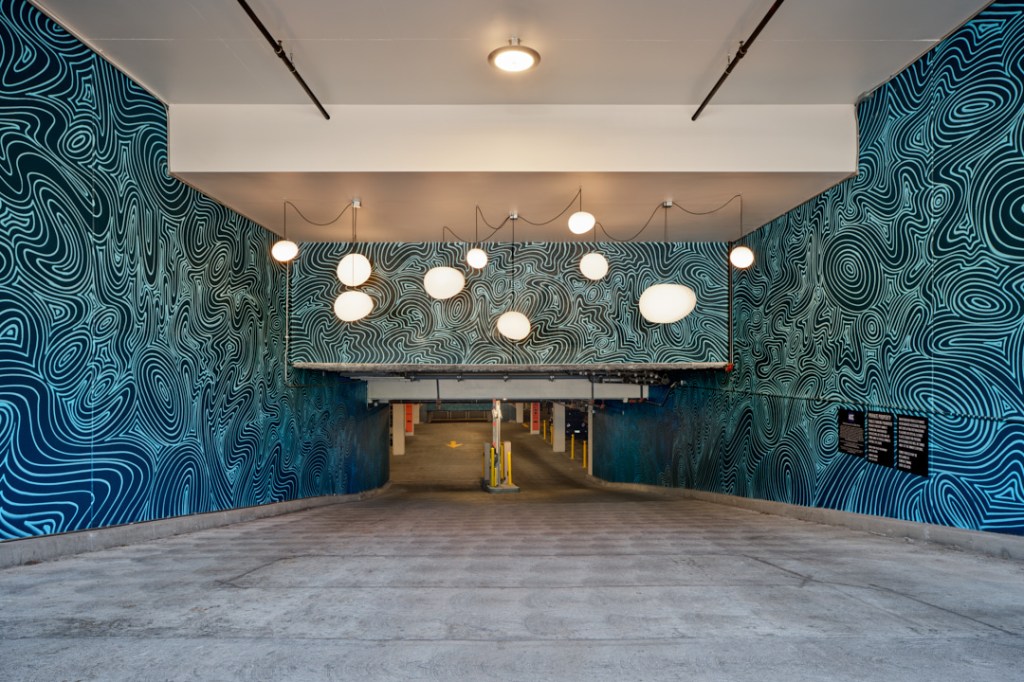
“450-495 nanometers” by The Apexer. Image by Brandon Shigeta 
“Hello Today…” by Lucky Rapp. Image by Brandon Shigeta 
“Springline Poppies” by fnnch. Image by Brandon Shigeta 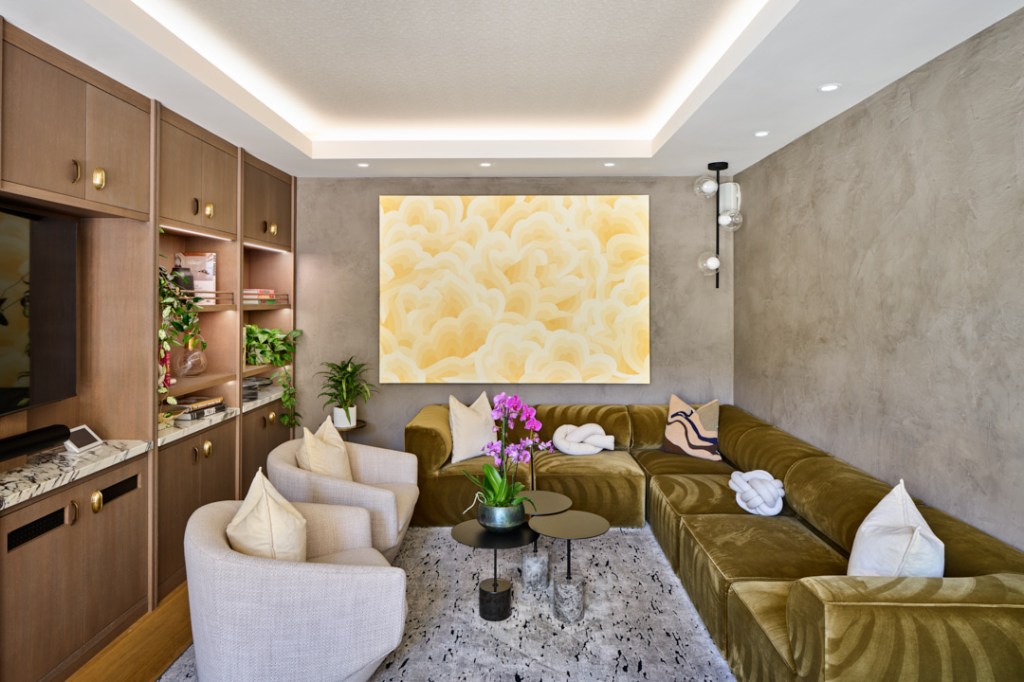
“Rayos del Sol” by Jet Martinez. Image by Brandon Shigeta 
“Springline Poppies” by fnnch. Image by Brandon Shigeta
In any location, art can create an additional layer to the design and architecture of a space. But beyond its aesthetic component, art can lead to connection and engagement between residents in a multifamily property and bridge an individual unit to the property as a whole.
Multifamily developers across the nation have been working closely with curators and artists to integrate art within their communities. In collaborating with a diverse pool of artists, owners and developers are integrating local customs, cultures and businesses into their portfolios.
“By investing in local artists, we foster cultural richness and a shared sense of pride, weaving a narrative that deeply resonates with the local community,” Marisa LaVallee of Tableau Gray, curator for the Springline Collection for Presidio Bay Ventures, told Multi-Housing News. “Art transforms physical spaces into collective experiences and tells a bigger, more meaningful story.”
One example of the successful integration of art in multifamily can be found at Vivo on Harbor, a community in the San Pedro neighborhood some 20 miles south of downtown Los Angeles. To bring the area’s historical identity onto the property, developer Trammell Crow Co. partnered with artist Guillaume Zuili to exhibit pieces rooted in the neighborhood’s literary and artistic history.
“It’s about honoring the past while creating a meaningful experience for those living here,” Trammell Crow Principal Alex Valente said.
The collaboration benefited all involved parties: value was added to the property, residents can interact with art outside of their home; local work is brought to a high-visibility, less conventional location, increasing the artist’s exposure.
Curations with a goal
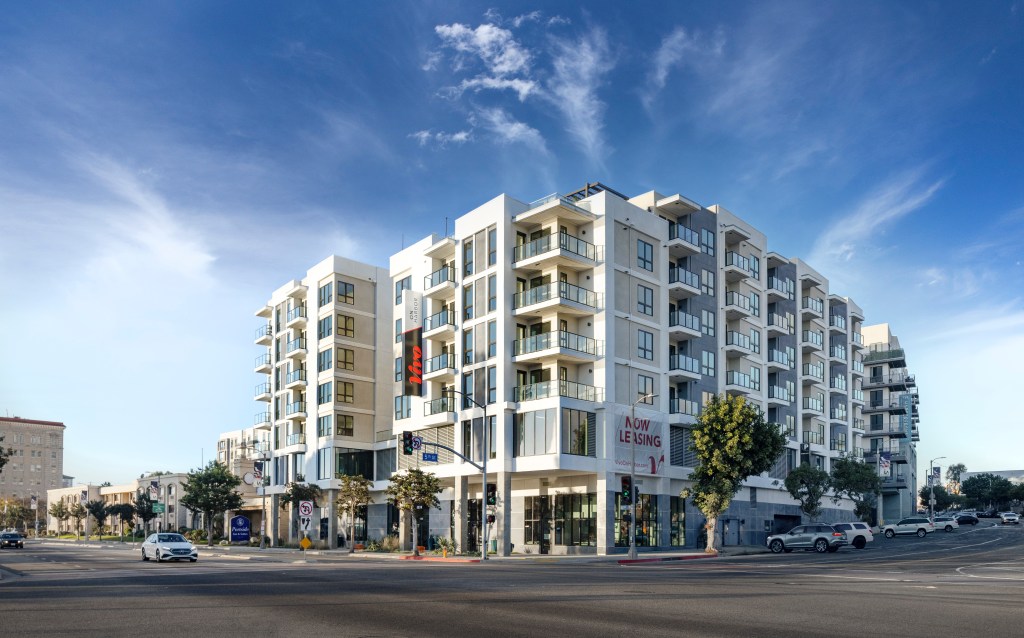
Developed by Trammell Crow Co., Vivo on Harbor is at the center of San Pedro’s Waterfront Arts District and features 137 apartments. Image by Adrian Tiemens 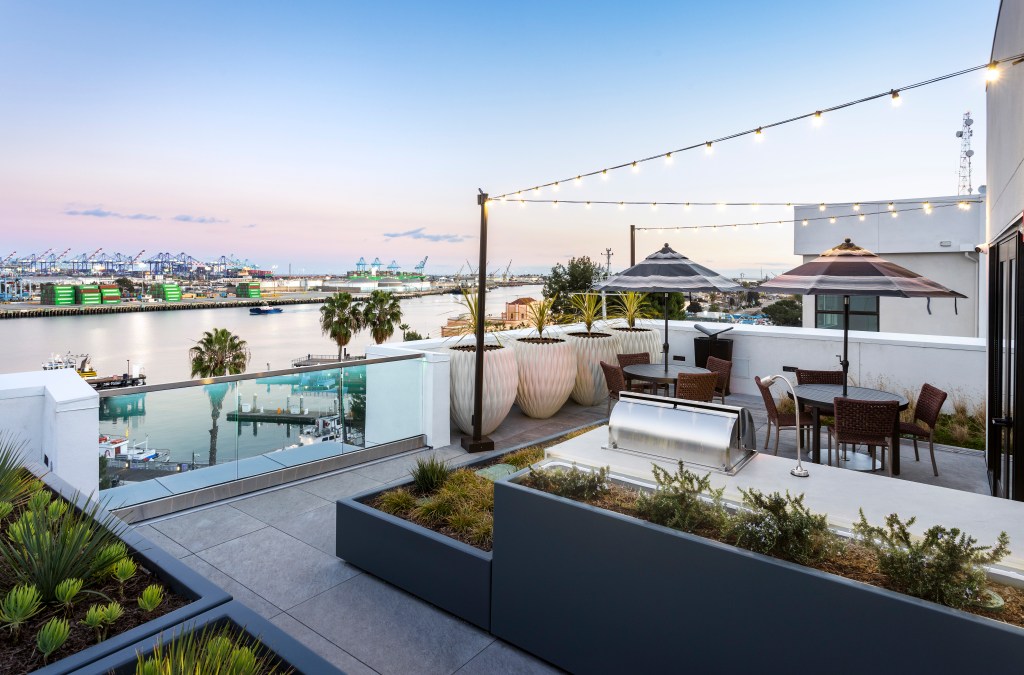
The property features two rooftop decks overlooking the harbor. Image by Adrian Tiemens 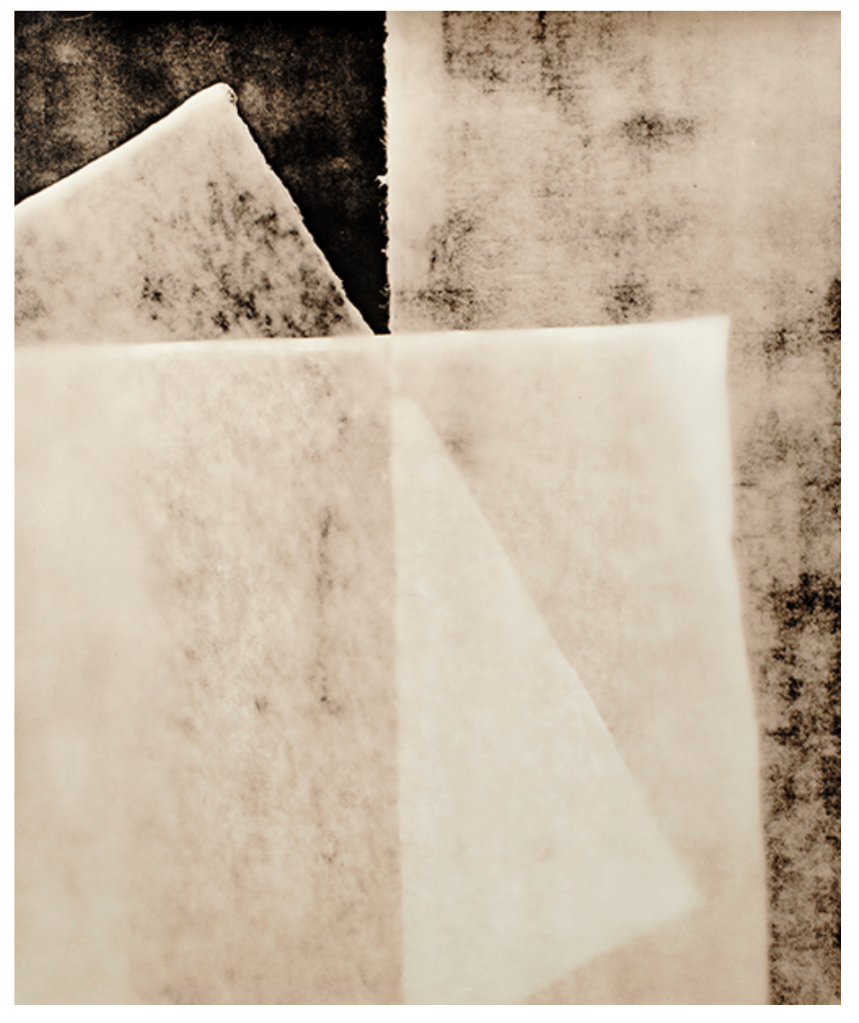
“Number 8” (Photogram Abstraction. 20×24 Silver Gelatin print 1/1 2013). Image by Guillaume Zuili 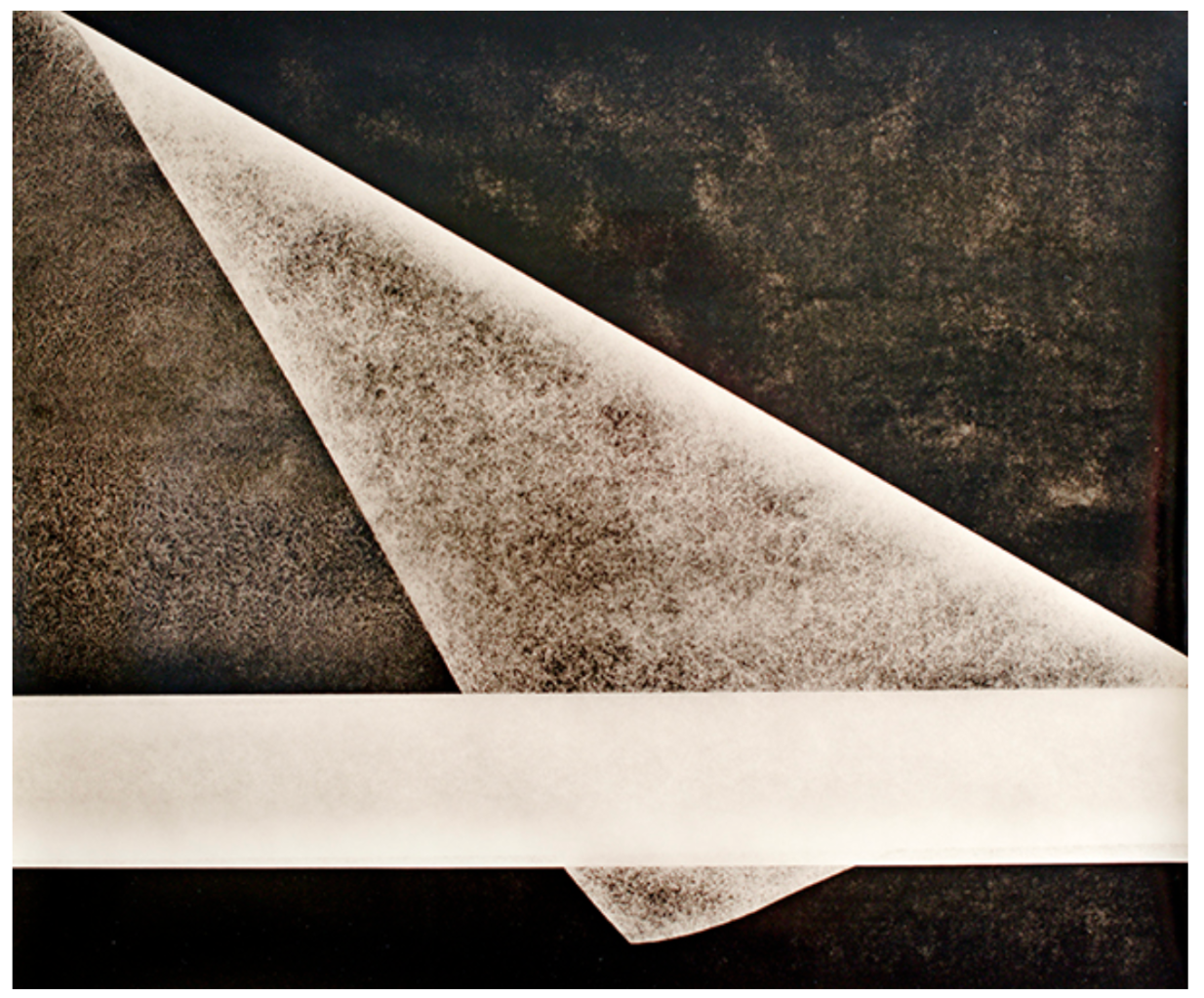
“Number 10’”(Photogram Abstraction. 20×24 Silver Gelatin print 1/1 2013). Image by Guillaume Zuili 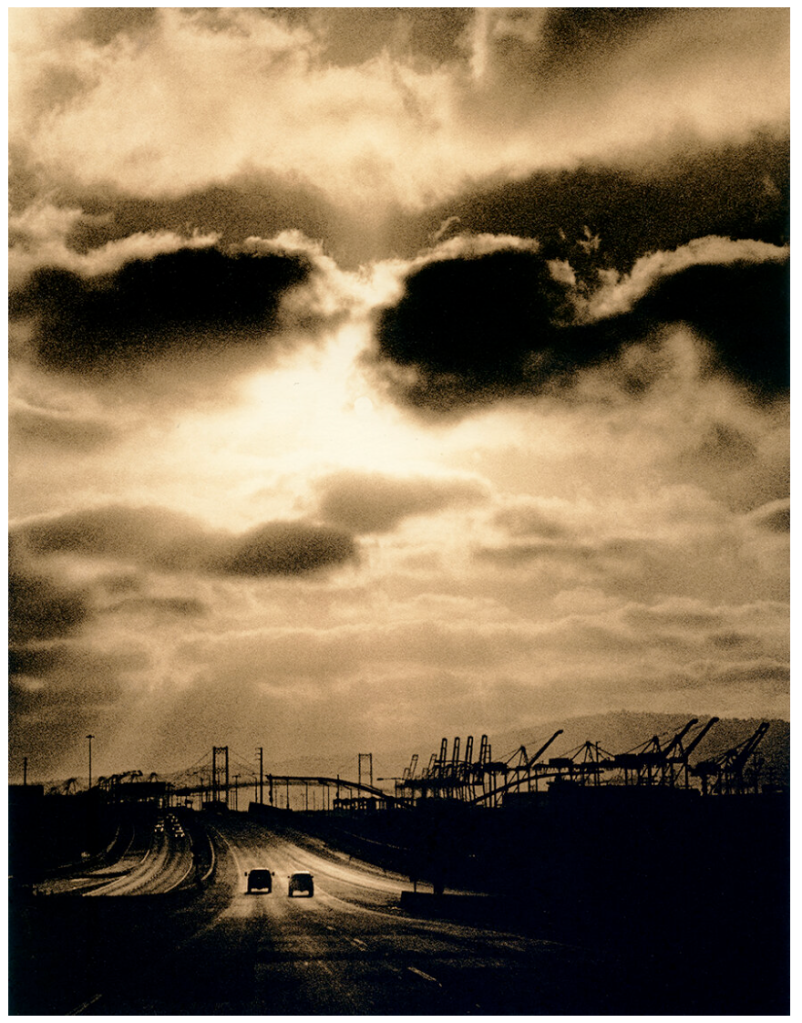
“Harris Bridge” (Photograph. Urban Jungle Series, 2017). Image by Guillaume Zuili 
’Bukowski’s Spirit’ (Photograph. Urban Jungle Series, 2019). Image by Guillaume Zuili
Another successful pairing of art and multifamily is seen at the mixed-use property Springline in Menlo Park, Calif. At this location, blending art throughout the indoor and outdoor spaces was key to a seamless integration.
As LaVallee noted, there were two key purposes: First, to accentuate architectural features and create focal points around them; Second, to establish the opportunity for residents to reflect and interact with each other.
“There was a delicate balance between commissioned work and work purchased at auctions and other events, which allowed for richer variety,” LaVallee said of the carefully curated process.
A similar attention to detail is present at Vivo at Harbor. Guillaume Zuili’s photographic abstractions were placed in high-traffic areas to both promote visibility and complement the building’s architectural design.
One piece in particular, “Harris Bridge,” a tribute to the San Pedro landmark, was curated for these goals. According to Valente, this work was chosen “not just for its artistic merit, but for how it enhanced the overall experience, creating an immersive environment that reflects both the past and present of San Pedro.”
Making a lasting impact
Art has the power to turn a building, or a residence, into a home. It adds character and individuality and can directly impact the well-being of residents. Further, being surrounded by visual art can expand a person’s knowledge of the spaces they inhabit and of the neighborhoods they live in.
At Vivo on Harbor, Zuili’s “Bukowski’s Spirit” is a tribute to the noted writer Charles Bukowski, who lived in San Pedro from 1978 and until his death in 1994. The piece not only offers a glimpse into the location’s literary past and cultural richness, but is “a way to make residents feel like they’re part of something bigger, something rooted in the history and soul of the city they live in,” Valente said.
For Zuili as well, works such as the “Harris Bridge” and “Bukowski’s Spirit” capture the essence of San Pedro and honor the community.
“In my work, I capture what often goes unnoticed—those elements that are right in front of us but remain unseen because we’ve become too accustomed to them,” he said. “I reveal the soul of the city.”
READ ALSO: 2025 Interior Design Trends: Mary Cook’s Top Choices
The overall impacts on both the community and the artists involved are transparent. When incorporated into multifamily, art sparks pride and a sense of belonging, as well as evokes ongoing conversation.
“The art serves as a form of cultural storytelling,” LaVallee said.
For visual artist Lucky Rapp, the concept behind the Springline community sealed the deal for her artistic collaboration. The mixed-use component of the development, intended to bring a large community together, was directly in line with her vision.
“I always try to create artwork that sparks a dialogue and has subtle messaging that makes people think about the art even after they have left the building,” she said.
Creating a cultural hub

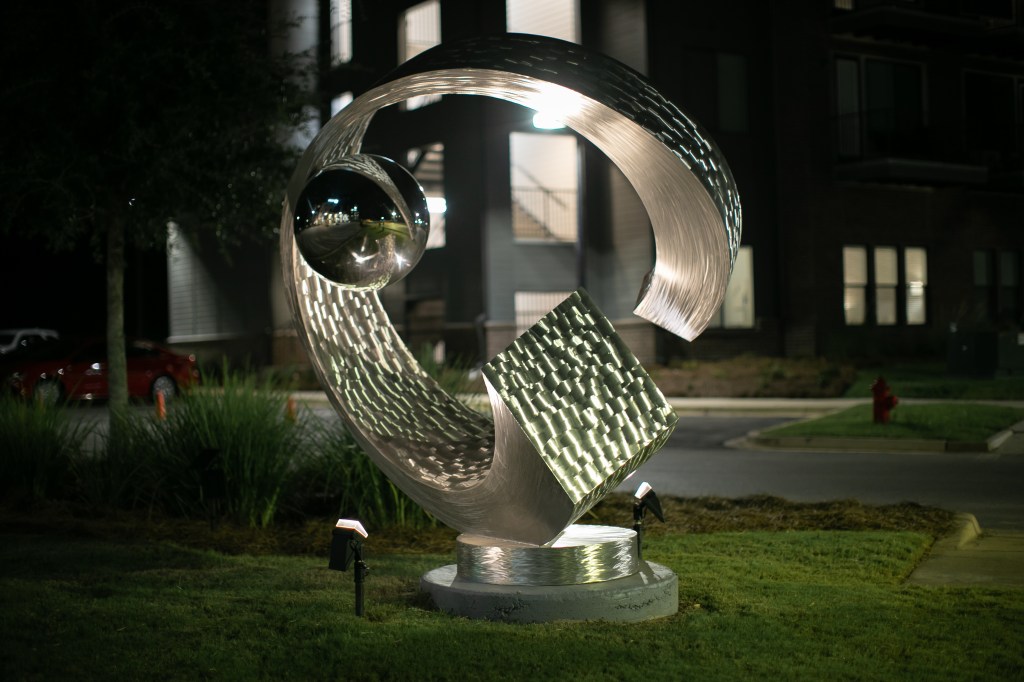
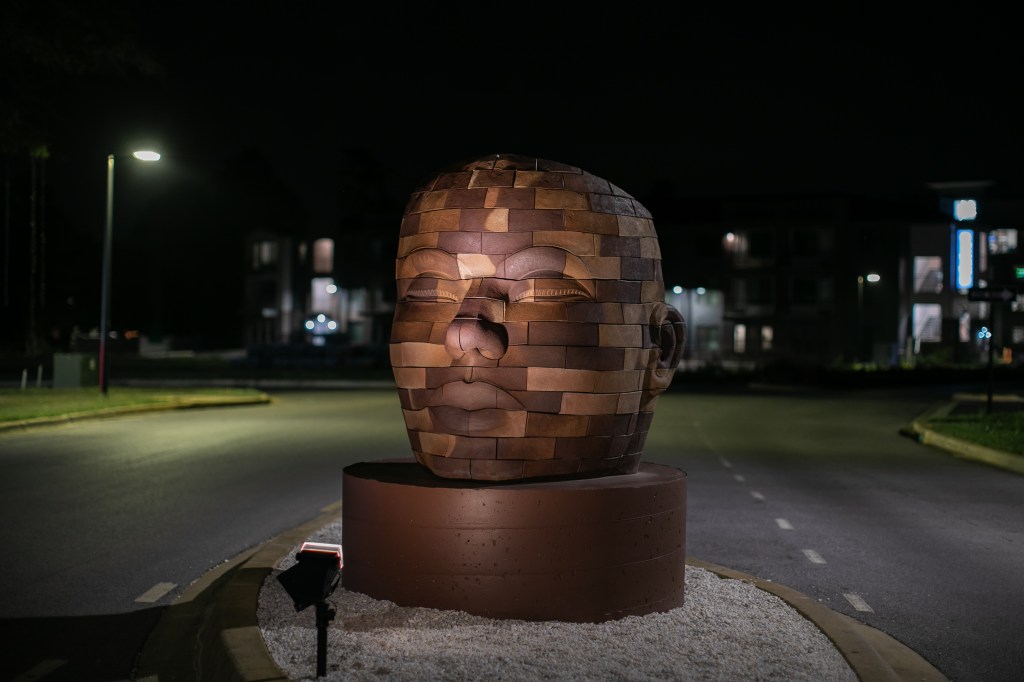

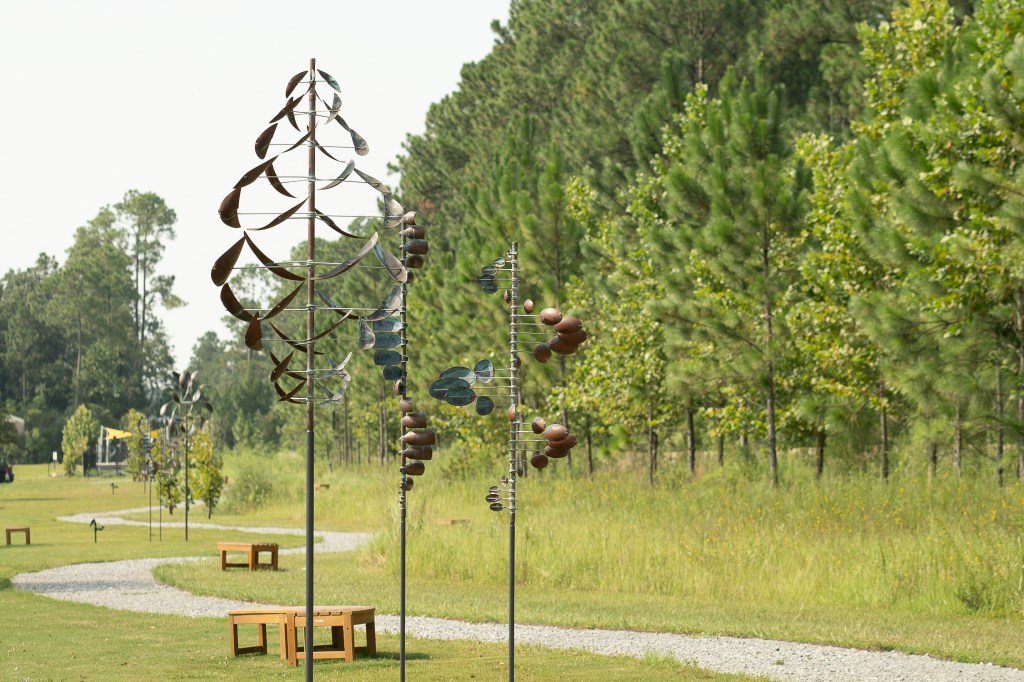
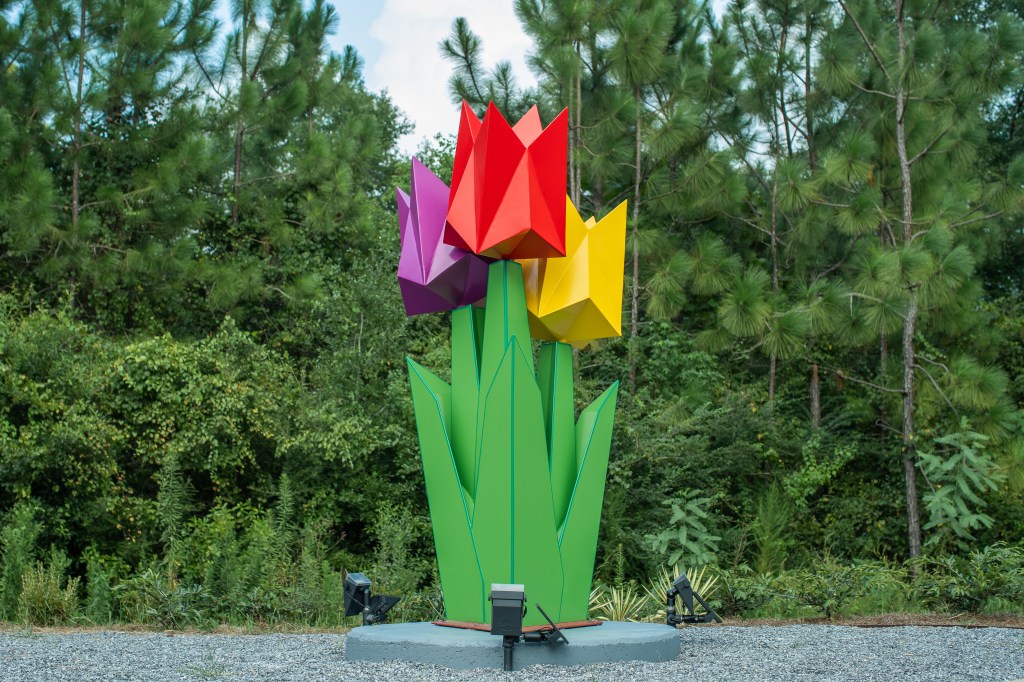
Farther southeast in Pensacola, Fla., another property has also taken art a step further. The Dawson Co.’s 52 World is a community home to three properties: Inspire Apartments, Thrive Lofts and Evolve Townhomes. At all three, art is at the heart of the project. The 52 Living Art Museum amenity is a museum created to enhance a supportive, inclusive space.
President and COO of The Dawson Co. Tamara Bowens told MHN that the goal behind the community, outside of showing beautiful artistic displays, extended to a curated art program with tours for residents and visitors alike.
“Our outdoor museum encourages interaction, sparks conversations and makes a development a true cultural hub,” she said.
READ ALSO: How Incorporating Flexibility and Wellness in Your Design Can Deliver ROI
The company collaborated with galleries, curators and individual artists to create a diverse body of work, ranging from paintings to sculptures. The pieces also feature a diversity of meanings: some are based on community-oriented themes while others were commissioned for the property to interact with its landscape.
Bowens noted that this concept allowed the community and its museum to move further from a static collection and become a living space, evolving and growing with the people around it. “This approach acknowledges a fundamental human need,” she said.
The community is built to enhance the life quality of its residents, and the art within it can take that experience to the next level. Taking it all one step further, Bowens told MHN that The 52 World will launch an art competition this spring, open to both residents and the community at large.