The Rise of Suburban Living in Boston’s Tight Housing Market
What's behind the enduring appeal of locations outside city centers? Greystar's Gary Kerr weighs in.

Gary Kerr, Managing Director for U.S. East Development, Greystar. Image courtesy of Greystar
As more people looking for both ample space and privacy are drawn to the suburbs, developers are striving to meet the growing demand for housing in these less dense areas.
In Massachusetts, for example, demand is so high that “there really aren’t any bad places to build,” as Greystar Managing Director for Development Services in the Northeast Gary Kerr puts it. With more than $74 billion in assets under management and $32 billion in developed assets internationally as of the first quarter of 2023, Greystar continues to expand and enter new investment areas.
Multi-Housing News asked Kerr to take a deep dive into what is fueling the “flight to suburbia” trend.
READ ALSO: Urbanites Are Changing Suburbia—and Upending Multifamily
What are the key factors that contribute to the lingering appeal of suburban living nationally and in Boston, specifically?
Kerr: Like so many markets across the country, Massachusetts is in the midst of a serious housing crisis. There are multiple factors behind this, but the consequences can broadly be felt in terms of affordability and availability. The difficulties associated with building in the more sought-after municipalities further compound those issues. So, it should come as no surprise that both developers and renters are turning to the suburbs because that’s where affordable housing can be found.
Historically, people have traded urban apartments for houses in the suburbs. We’re still seeing this migration, but it’s taking a different shape. The decline in homeownership has created a class of long-term renters, some of whom decide they no longer want roommates but cannot afford a one-bedroom in the city.
Another factor driving suburban appeal is shifting attitudes toward cars. Prioritizing public transit and non-vehicular travel in urban areas can lead some to more car-friendly locations. The suburbs, meanwhile, offer ample parking and sole use of roads.

The Burrow in Marlborough, Mass., a community managed by Greystar. Image courtesy of Greystar
To what extent has the “flight to suburbia” trend influenced Greystar’s multifamily portfolio in the past few years?
Kerr: Greystar builds housing to suit all needs, so we’ve always been active in both suburban and urban areas. The changing demographics of renters are more of an influence on our projects as we’re focused on delivering products that meet the needs and desires of residents. For instance, we’re looking at a more modern iteration of suburban multifamily which includes traditional apartments along with townhouse-style rentals. Bringing more options to the table broadens the appeal of communities and enables you to cater to a wider array of residents.
READ ALSO: Building a Diversified Portfolio—Inside RangeWater’s Strategy
Does Greystar have any residential projects in the works in suburban Boston?
Kerr: We currently have a few projects under contract, but we are also mindful of current economic trends. Uncertainty makes for a difficult environment to move forward with conviction, so our current focus is on opportunities with longer lead times. The intention is that things will normalize as we work through the public process and we’ll have a better handle on the path forward when it comes time to break ground.
How can developers strike a balance between offering space and privacy in suburban multifamily developments while still creating a sense of community?
Kerr: The attributes of space and privacy are baked into the plans for the built environment, but the nurturing of the community is reliant on the team on the ground. Communication with residents to understand what appeals to them is essential for creating programming that has an impact. This ensures that programming matches the desires of those who live there and that residents feel their voices are heard.
Effort and enthusiasm from the team will drive success in establishing a sense of community. We are firm believers in the value of people and this is a great example of why that’s integral to a positive resident experience.
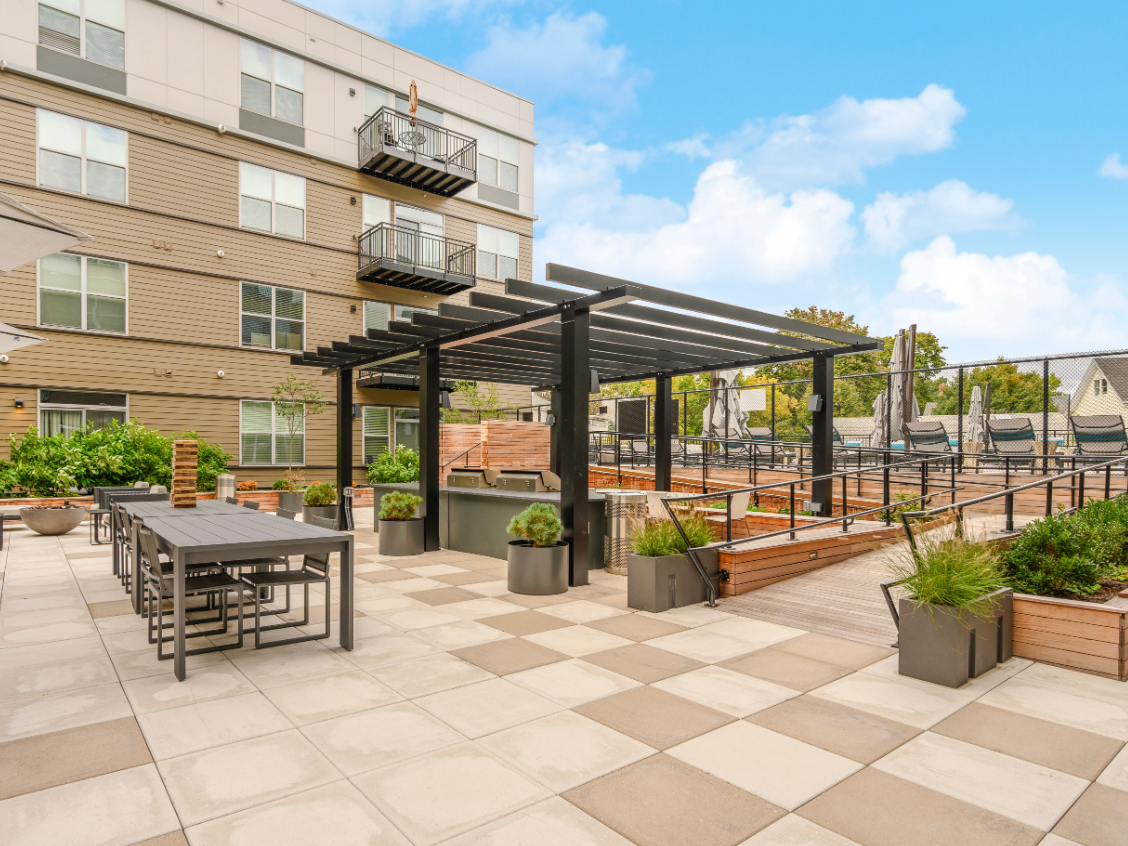
Elan Union Market, a 282-unit community in Watertown, Mass., managed by Greystar. Image courtesy of Greystar
What role does the curation of mixed-use experiences play in suburban living today and what specific needs should they address?
Kerr: The biggest focus should be on helping people take back their time. Lifestyles have changed drastically in the last couple of decades, and no one wants to spend time on mundane tasks. So, simplifying their lives by meeting their service needs—things like hanging TVs on the wall, picking up dry cleaning, grocery delivery, and on-site storage—will be well-received and lead to high resident satisfaction.
Please share a few details about practical retail options that can be integrated into developments to create a cosmopolitan lifestyle experience within suburbs.
Kerr: The ability to partner with a retailer over time offers more opportunity than bringing in a stand-alone tenant in a suburban setting. Whereas an urban community would be able to take advantage of foot traffic, the suburban counterpart is unlikely to draw much activity outside of its own residents. That doesn’t mean that the suburbs can’t accommodate retail, it just needs to be more thought-out.
Having a vendor visit the property on certain days, in coordination with the building team, can create win-win programs. This is an approach that can be done with several types of retailers, but the constant is the need for preparation and planning from staff.
What type of amenities do residents living in the suburbs want?
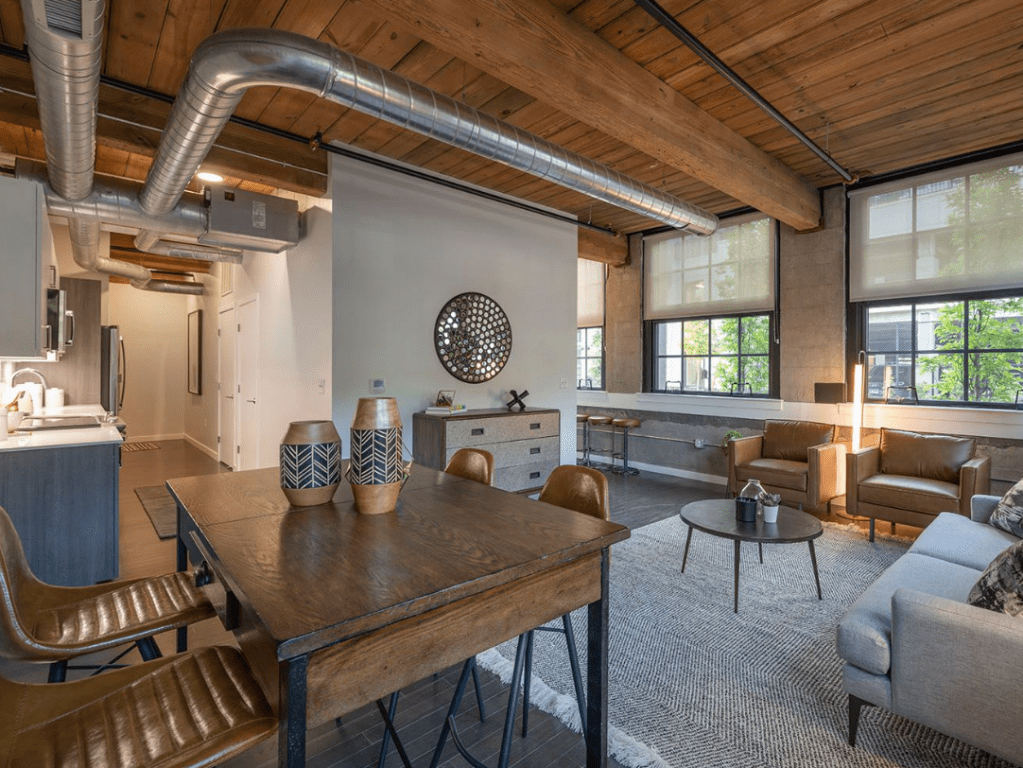
Kerr: In urban environments, there is an emphasis on efficient unit layouts to keep rents low. More modest unit sizes are augmented by robust, shared amenity spaces. Meanwhile, in the suburbs, units are generally more spacious, which creates more of a feeling of separation from their neighbors.
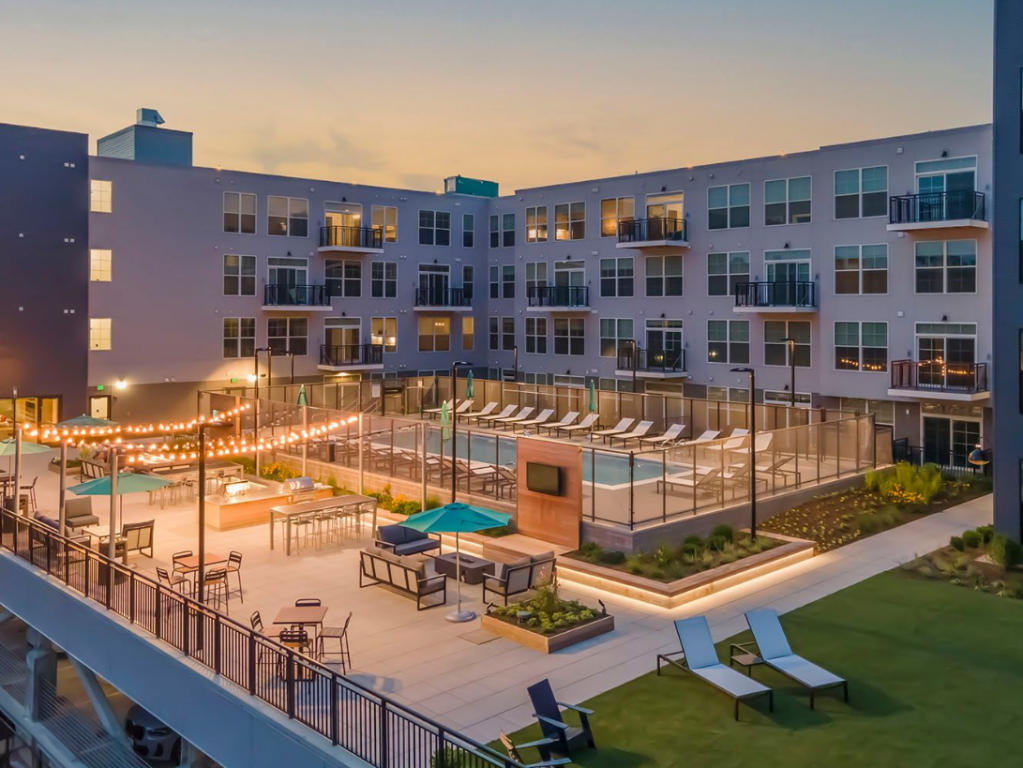
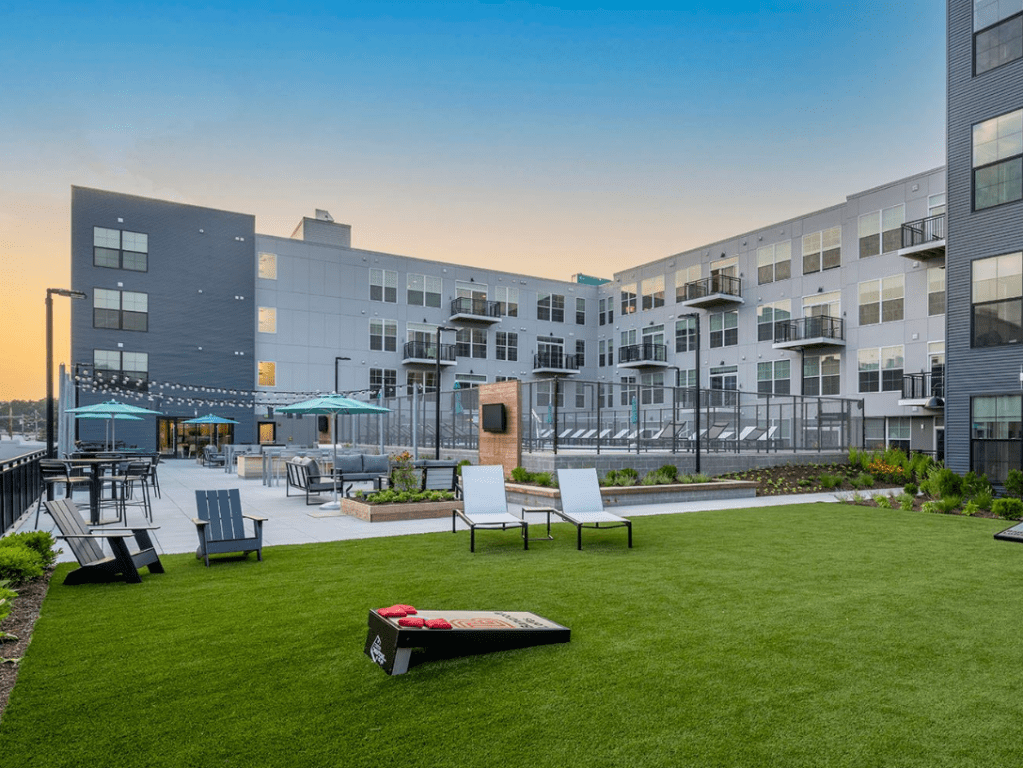
In lieu of a broad array of indoor amenities, outdoor recreational opportunities immediately surrounding the building(s), such as walking trails, provide community value-adds that leverage the availability of land without compromising the character of the development.

How can developers balance renters’ desire for suburban tranquility with accessibility and connectivity to urban core locations like Boston?
Kerr: While there are certainly differences in the product driven by resident preferences, smart developers will always pursue projects that demonstrate alignment with core fundamentals. At the heart of multifamily, this means proximity and access to jobs, so that will always be baked in, regardless of whether the development is happening in an urban setting or in the suburbs. Where the distinction comes in is how to support that accessibility.
In urban areas, residents are more likely to be served by public transit and that can be factored into the building’s design, like situating the entrance near a bus stop. For suburban residents, proximity to transit will be desirable, but sufficient buffering will be expected to reduce noise and pollution factors. Ample and convenient parking is also considered a must-have feature because that is how many are getting to and from work.
READ ALSO: The New Amenities in Multifamily—What Renters Actually Want
What will the suburbs of the future look like? How will suburban living evolve?
Kerr: Desire for space is at the heart of the suburban lifestyle and that is likely to spill over into the growth of single-family rentals. With homeownership becoming less attainable, single-family rentals will help to create an option that retains the feeling and trappings of being in one’s own home.
As interest in the suburbs continues, development will follow suit and, understandably, that means growing pains. Planning departments in suburban areas often lack the bandwidth and expertise of their counterparts in cities, which can complicate the process. We have already seen passionate discussion about multifamily development in the suburbs here in Massachusetts, particularly since the adoption of the MBTA Communities law.
What’s important to keep in mind is that suburban development done right is not about upending a town’s character, it’s about enhancing what’s already desirable to residents. Suburban development is about enabling people to stay in the town they grew up in, stay close to family, and generally live where they want to.