The Next Crisis in Multifamily: Energy Costs
Soaring demand from data centers has escalated the need for power efficiency and management.

Over the past several years, the multifamily sector has weathered a series of sharp headwinds: soaring interest rates, persistent construction cost inflation and rising insurance premiums. Today, as rates begin to move toward normalization and cost escalation moderates, another challenge is emerging with far broader implications: energy demand and cost escalation.
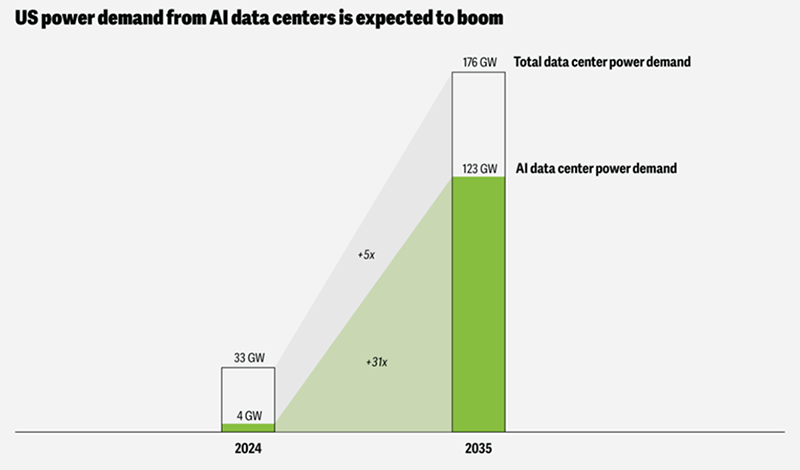
While U.S. electricity prices have historically risen in line with inflation, the next decade will be different. Global power demand is projected to increase nearly 30 percent by 2035 driven by a boom in energy-intensive uses such as AI infrastructure, data centers, electrification and EV charging networks.
LIKE THIS CONTENT? Subscribe to MHN’s Finance & Investment Newsletter
The U.S., with more data centers than any other country, is particularly exposed. According to the MIT Energy Initiative, U.S. data centers consumed over 4 percent of the nation’s electricity in 2023—a number that is expected to more than double to 9 percent by 2030. The International Energy Agency similarly warns that global data center energy demand could rise more than 100 percent by the end of the decade.
These pressures arrive at a time when the power grid is already struggling under the weight of climate change, decarbonization imperatives and aging infrastructure. That leaves developers and operators with a looming challenge: escalating utility costs that flow directly into operating expenses and tenant affordability pressures.
Implications for multifamily housing
Energy cost spikes disproportionately impact rent-sensitive markets, where tenant incomes are fixed and operating cost pass-throughs often result in concessions or suppressed rent growth. Consider a scenario where an apartment building with electric heating and cooling systems sees a 20 to 30 percent jump in electricity costs. Depending on lease structure, the landlord may absorb this in net operating income or pass it on at the risk of vacancy.
Higher energy costs = lower affordability = constrained rent growth.
And yet, the U.S. has been slow to respond. Traditional utility-scale power plants, especially nuclear, take decades to plan and build, while regulatory hurdles often stall new fossil fuel exploration. Clean energy is faster and more scalable, but recent policy uncertainty has slowed investment just as demand accelerates.
Why developers hold the advantage
While retrofitting existing buildings can be costly and disruptive, new development has a critical advantage: foresight. Developers breaking ground today can integrate energy resilience and efficiency into design, underwriting and long-term value creation strategies.
Some of the most effective and readily available technologies include:
-
- On-site energy generation and storage (e.g., solar + battery systems, geothermal heat pumps)
-
- EV-ready parking and infrastructure
-
- Smart building systems for real-time utility monitoring and load management
-
- High-performance building envelopes to reduce reliance on fossil fuel-powered HVAC
-
- Electrification-ready infrastructure that can adapt to future grid and policy changes
These strategies not only insulate assets against future utility cost inflation but also enhance competitiveness among tenants increasingly concerned with sustainability and operating cost transparency.
Underwriting energy for the future
Historically, U.S. development has enjoyed relatively cheap energy, and as a result, value-engineering decisions often removed solar, battery storage or high-performance mechanical systems to trim upfront costs. That mindset needs to change.
Now is the time to:
-
- Model realistic utility cost scenarios, including 15 to 30 percent cost increases over 10-year periods
-
- Incorporate energy savings into pro formas, treating them like any other NOI-enhancing factor
-
- Align debt and equity partners with long-term resilience and ESG value drivers
-
- Advocate for clean energy policies that reduce long-term risk in capital planning
As developers, we can’t control global energy markets, but we can choose how exposed our investments are to them.
If the past few years were about construction inflation and capital market volatility, the next may be about energy. For real estate, especially multifamily housing, the question is no longer just “Can we build it?” but “Can we power it affordably?”
Projects being planned today have a window of opportunity to get ahead of this trend and gain a decisive competitive advantage. The cost of inaction will be paid in utility bills and lost tenants.
Edd Hamzanlui is founding principal at MassCan Capital.