Rewriting Multifamily’s NOI Playbook
Middle-market investors are turning to hands-on execution and tighter operations to drive returns.

In today’s middle-market multifamily landscape, net operating income is no longer a byproduct of market momentum but a direct result of operational precision, stability and discipline.
After a volatile 2022-2024 period, transaction activity is slowly picking up as capital gradually returns. But dealmaking remains far from easy. Underwriting is still highly selective and persistent economic pressures such as rising debt service, high insurance costs and escalating tax burdens are forcing investors to rethink how performance is created.
In this environment, maximizing NOI is less about strategy on paper and more about execution at the property level.
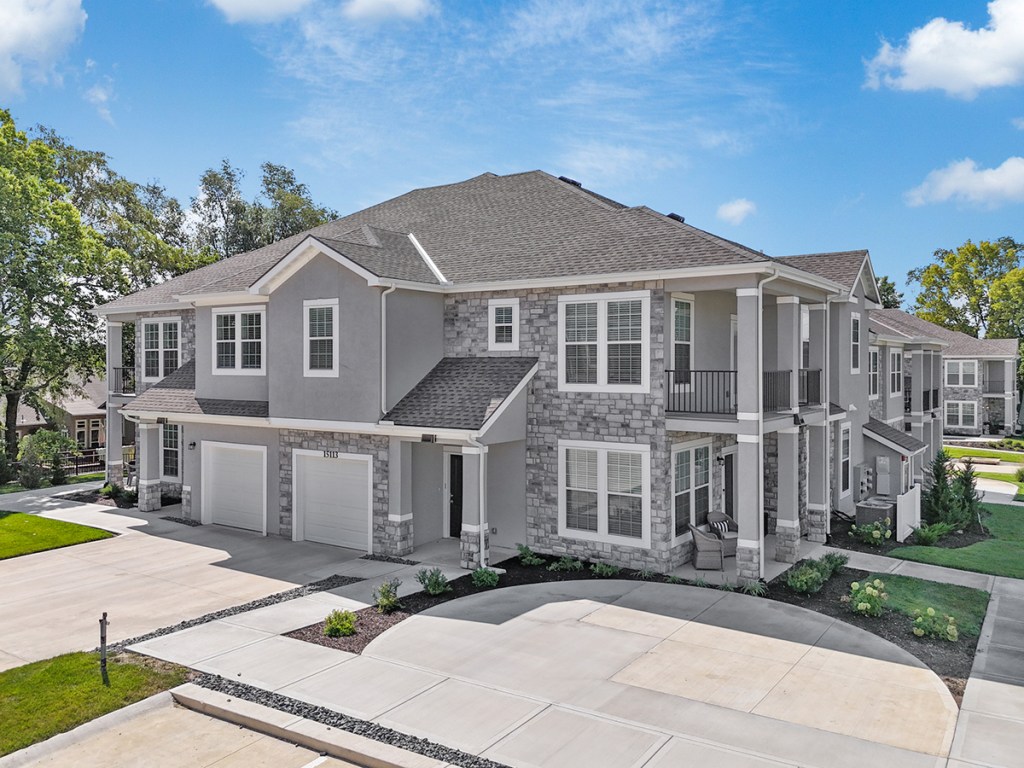
Deals must work on Day 1
For many investors, the threshold for a viable deal has fundamentally shifted. Future rent growth assumptions carry less weight than immediate, durable cash flow.

“What makes [a deal] actionable is a clear operational playbook: units we can turn, expense lines we can compress and a rent basis that’s meaningfully below market with identifiable demand drivers,” said Chris Salazar, the CEO of Archstone Capital, a private real estate investment firm focused on workforce and middle-income properties across Midwest secondary and tertiary markets.
That emphasis on execution and discipline over speculation is echoed across the country.
“Deals must stand on their own with durable NOI and a clear operational strategy we can implement immediately,” according to Kelli Jo Norris, CEO of Goodman Real Estate. Her firm owns and operates some 12,000 units or more than $3.5 billion worth of middle-market properties nationwide, targeting assets where value can be unlocked through hands-on management, expense control and favorable demographic trends.
With capital still constrained, having a structured approach has become essential, not just in acquisitions, but in how operators sustain and grow NOI post-close.
Execution is the NOI story
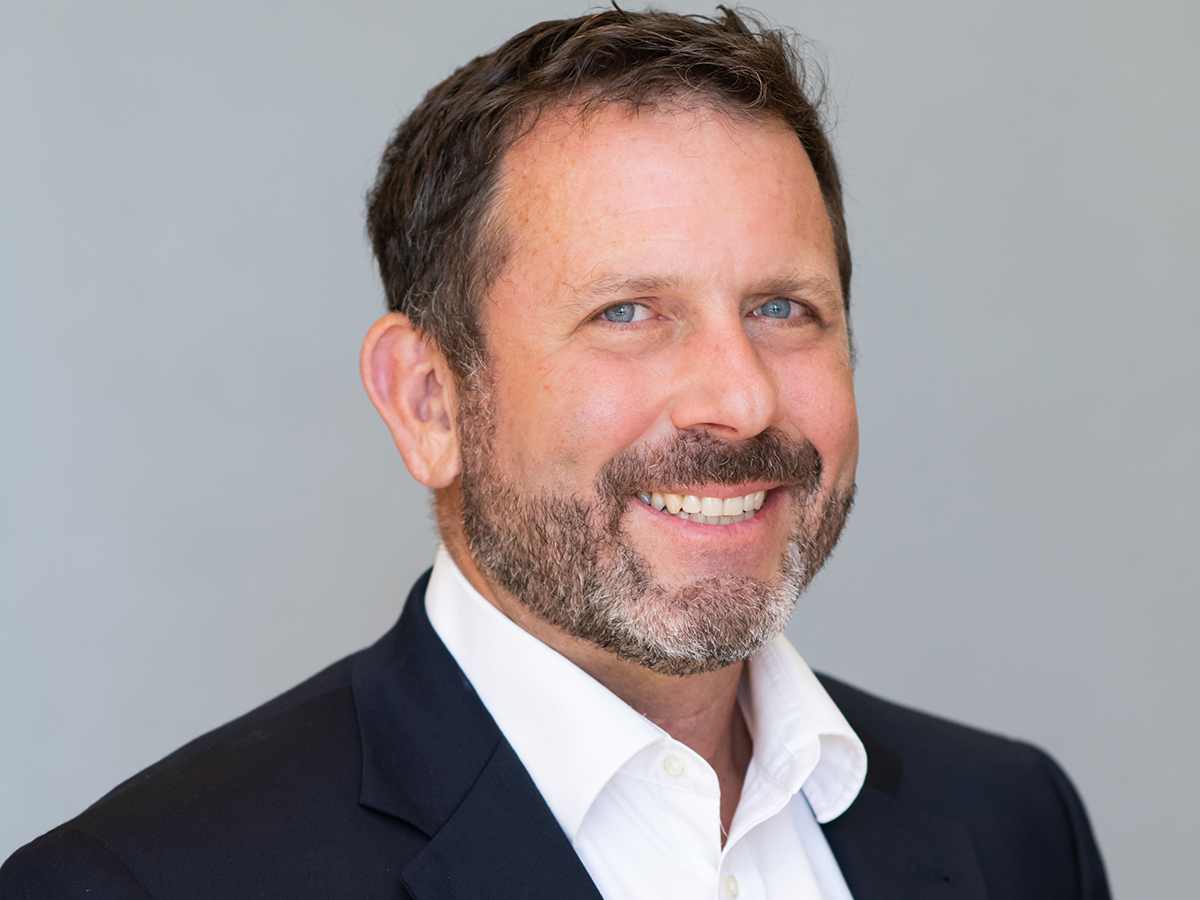
Across the middle market, operators are increasingly focused on cost control and operational efficiency as their primary NOI levers. Streamlined staffing, centralized functions and tighter expense management are now standard practice. Archstone Capital, for example, has doubled down on controlling its largest variable costs by vertically integrating operations. By maintaining an in-house property management platform and overseeing capital expenditures internally, the firm directly manages payroll and unit turn costs.
“Retention is cheaper than turnover in this environment,” said Salazar. “But when a unit turns, we’re capturing $75 to $150 per month in upside depending on the asset and layering in $30 to $50 in Ratio Utility Billing System recovery that wasn’t being captured before.”
Centralization is another key efficiency driver. Consolidating leasing and back-office functions allows operators to scale portfolios without proportionally increasing headcount.
“That payroll efficiency drops straight to NOI and gets better with every unit we add,” Salazar noted.
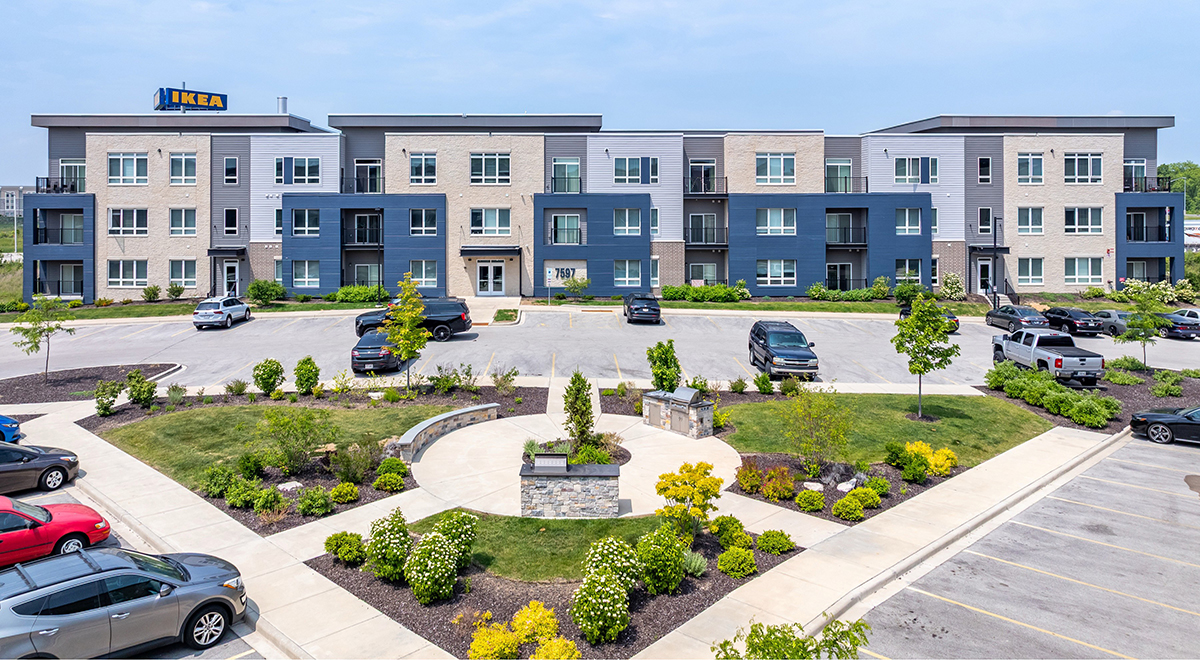
Targeted upgrades outperform broad renovations

Rather than relying on heavy value-add renovation strategies, many middle-market investors are prioritizing specific, high-ROI improvements that align with renter preferences. At Midloch Investment Partners, which targets discounted and distressed assets between $5 million and $50 million, operational decisions are closely tied to market fundamentals, particularly supply-demand dynamics.
“Even the most well-run properties in a market dealing with excess supply are struggling to keep NOI flat year-over-year,” said Managing Director Tim Donovan.
Within that context, selective capital improvements can drive meaningful gains. One of the most effective strategies for Midloch has been adding in-unit laundry. The upgrade often costs significantly less than full interior renovations such as new countertops, cabinets or flooring, while generating equal or greater rent premiums in Class B and C properties.
Additionally, some repositioning strategies extend beyond physical upgrades. Property rebranding, when paired with visible operational improvements, can reset resident expectations, enhance perceived value and support rent growth.
Technology sharpens operational control
As margins tighten, technology is playing a more central role in how operators monitor and optimize performance. Business intelligence dashboards and AI-driven tools are helping owners track budget variances in real time, identify inefficiencies and make faster, data-driven decisions.
“This approach is consistent, measurable and suits current market demands,” said Norris.
While not a silver bullet, these tools are increasingly embedded in day-to-day operations, reinforcing a broader shift toward precision management rather than reactive oversight.
Persistent pressures

Even as operators find new ways to enhance NOI, external pressures continue to weigh heavily on performance. Insurance costs remain one of the most significant challenges, even in markets with limited catastrophe exposure. In response, many owners are increasing deductibles, consolidating coverage under single brokers and investing in risk mitigation strategies.
Property taxes are another major pressure point, prompting more aggressive appeals.
“We’re fighting assessments aggressively and engaging local counsel in every jurisdiction,” said Salazar. “Much of this is a longer game but when it’s such a big line item, you have to play offense.”
Debt, however, may be the most immediate concern. A substantial volume of commercial and multifamily loans is approaching maturity, keeping refinancing risk elevated. As of February, $875 billion—17 percent of outstanding commercial and multifamily mortgage balances—was set to mature in 2026, according to the Mortgage Bankers Association. For multifamily specifically, 13 percent of loans will come due. While this marks a decline from 2025 levels, many of last year’s maturities were extended, prolonging uncertainty. Therefore, operators are responding by adjusting capital strategies.
“We are trying to refinance as many properties as we can on shorter five-year fixed rate debt to reduce bridge debt costs and eliminate the need to purchase rate caps,” said Next Wave Investors Principal Jordan Fisher. “But every refinance is a struggle.”
Regulatory headwinds add complexity
Policy and regulatory challenges are also shaping operational strategies, particularly in markets with increasing renter protections. Next Wave Investors, active in the Pacific Northwest, is navigating a particularly complex landscape. In Tacoma, Wash., a renter’s bill of rights restricts evictions during winter and school months for families.
“Having a nonpaying resident remain for up to nine months with no eviction available is a huge challenge,” said Fisher.
In other markets, proposed legislation could further impact investment decisions. In Iowa, for example, a bill under consideration would change how multifamily properties are assessed for tax purposes. “It would chase capital out of Iowa at a time when the state needs more housing investment, not less,” Salazar believes.
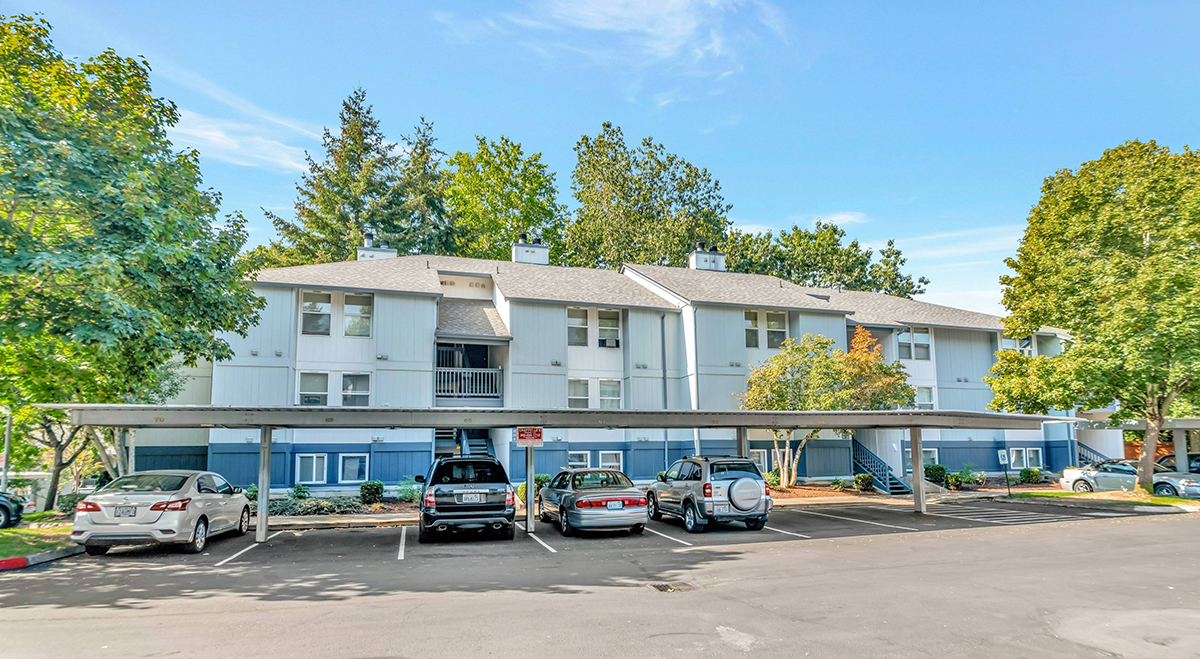
Who wins the cycle
Across the board, operators agree that success in the current cycle will favor those with deep operational expertise rather than purely financial engineering. That means maintaining detailed property-level oversight, making real-time decisions, preserving balance sheet flexibility and working transparently with lenders.
“Middle-market investors who stay focused on fundamentals and adapt quickly will emerge stronger on the other side,” said Norris.
The contrast with the previous cycle is stark. Between 2020 and 2022, opportunistic capital flooded the sector, often relying on rent growth assumptions rather than operational execution. “That doesn’t hold up when rates double and rent growth flattens,” said Salazar.
Today, the advantage lies with hands-on operators who control costs, maintain direct relationships with residents and teams and actively manage performance at the asset level. It ultimately comes down to expertise.
“Multifamily owners who are true real estate operators and who are willing to roll up their sleeves are well positioned to succeed amidst a broadly difficult operating landscape,” Donovan concluded.