Resident Referral Programs That Get Results
How to turn your happy residents into new leases.

At a time when marketing budgets are being strained by rising costs, many operators are relying on one of the oldest—and statistically, one of the most effective—forms of attracting new residents: word-of-mouth. Resident-referral programs are common across rental communities of all sizes and for good reason—they’re simple, and they work. And there’s other good news: Not only do these programs help attract new renters but apartment marketers report that they increase retention, as well.
“Referrals are one of the strongest ways that people make buying decisions, especially with rental communities,” said Robin Ruttle, an industry principal at Yardi, who leads the strategy for the Rewards by RentCafe program. “Loyalty programs are good for building emotional connections, community and trust.”
According to the 2021 Nielsen Trust in Advertising study, 89 percent of consumers trust recommendations from people they know, more than any other advertising channel. That’s why referrals from existing renters are such powerful motivators—and why Ruttle said she expects the Rewards by RentCafe program, which currently compensates residents for purchasing renter essentials such as insurance, internet service and electricity through their platform, to be extended in early 2027 to also include new-renter referrals.
If you’ve already screened someone, there’s a good probability that people in their peer group have similar standards or underwriting specifications. And it seems like when you have a resident referral, there’s a higher probability of converting that lead.
—Brennen Degner, Co-Founder & CEO, Platte Canyon Capital
Apartment operators report that prospective residents who are referred are usually more qualified leads and convert at a higher rate than other prospects. “If you’ve already screened someone, there’s a good probability that people in their peer group have similar standards or underwriting specifications,” said Brennen Degner, co-founder and CEO of Platte Canyon Capital. “And it seems like when you have a resident referral, there’s a higher probability of converting that lead.”
Creating a referral program
Ask any apartment professional for the first step in building a resident-referral program, and they’ll all respond the same way: Start by providing superior customer service to your existing residents, otherwise, they’re unlikely to refer anyone in the first place.
“Referral programs only work if your residents are happy,” commented Greg Benson, managing director of marketing operations at Greystar. “We always say: Focus on delighting residents first, and the referrals will follow.”
Tweaking the program to fit your needs
Once you’ve decided to create a resident-referral program, you need to determine its scope—the type and extent of the reward. This can take many forms, but cash, rent credits and gift cards are the most common.
“The amount is market-driven,” Degner noted. “If you’ve got a high-supply market with soft rents and a lot of vacancies, you’ll see higher rewards.”
He’s seen rewards ranging from $250 to $1,000, with the latter being in lease-up situations or very soft markets.
Referrals are one of the strongest ways that people make buying decisions, especially with rental communities.
—Robin Ruttle, Industry Principal, Yardi
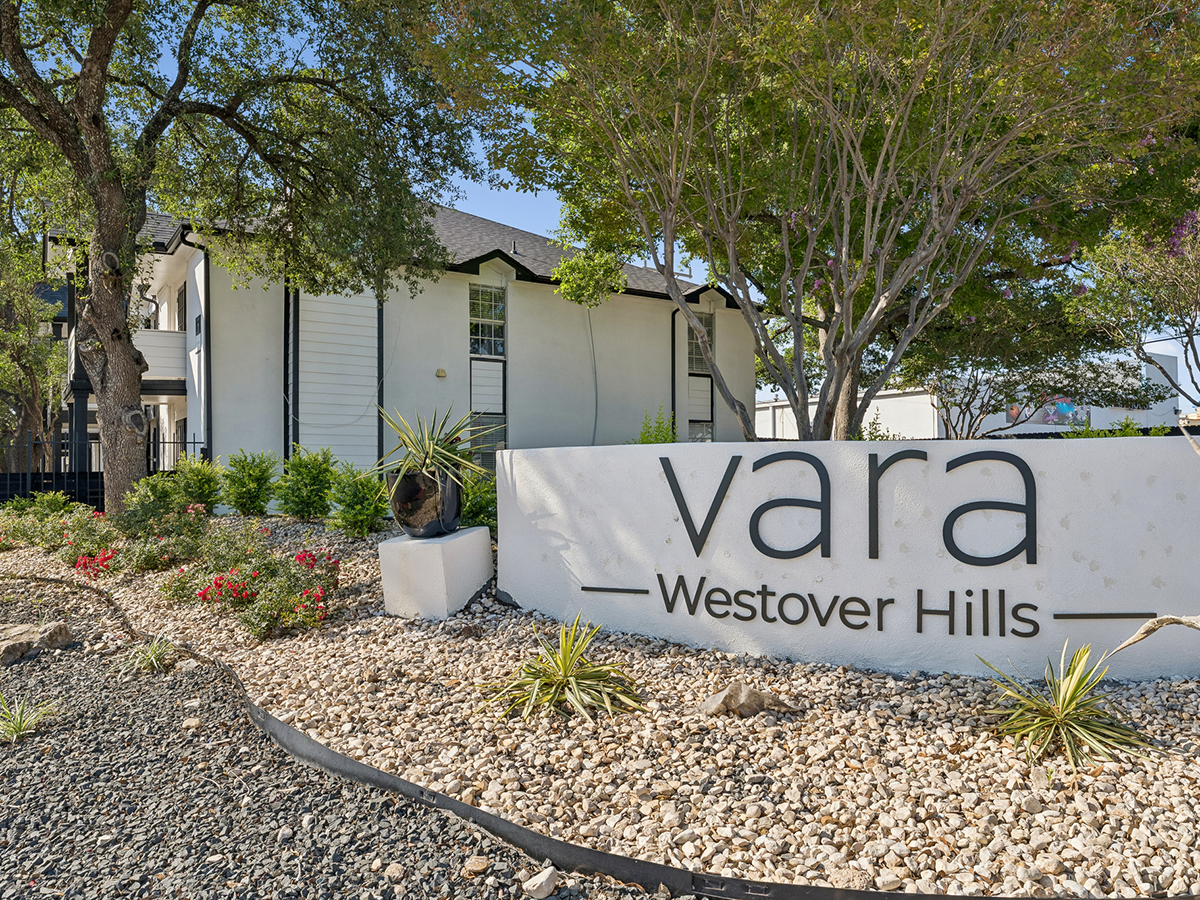
At Platte Canyon Capital’s Vara Westover Hills community in San Antonio, the current referral incentive is $750 to $1,000 per signed lease and new resident move-in. “We have been pushing this hard at resident events, in our monthly newsletter, on bulletin boards at amenities and anytime we have tenant interactions,” Degner explained.

The amount of the reward you opt for may also depend on whether the community is already stabilized or in lease-up and what the conditions in the local submarket are like. Jamie Kane, vice president of new development, multifamily for The Breeden Co., said his company gives rent offsets as rewards to existing residents. Amounts range from $500 to $1,000.
Karlin Conklin, principal, co-president & COO of Parktown Living, a property management company affiliated with Investors Management Group, reviews what other properties in her submarkets are offering to ensure her communities’ rewards are competitive. She also tests the company’s properties within a submarket to see what’s most interesting to current residents to incentivize them.
Referral programs only work if your residents are happy. We always say: Focus on delighting residents first, and the referrals will follow.
—Greg Benson, Managing Director of Marketing Operations, Greystar
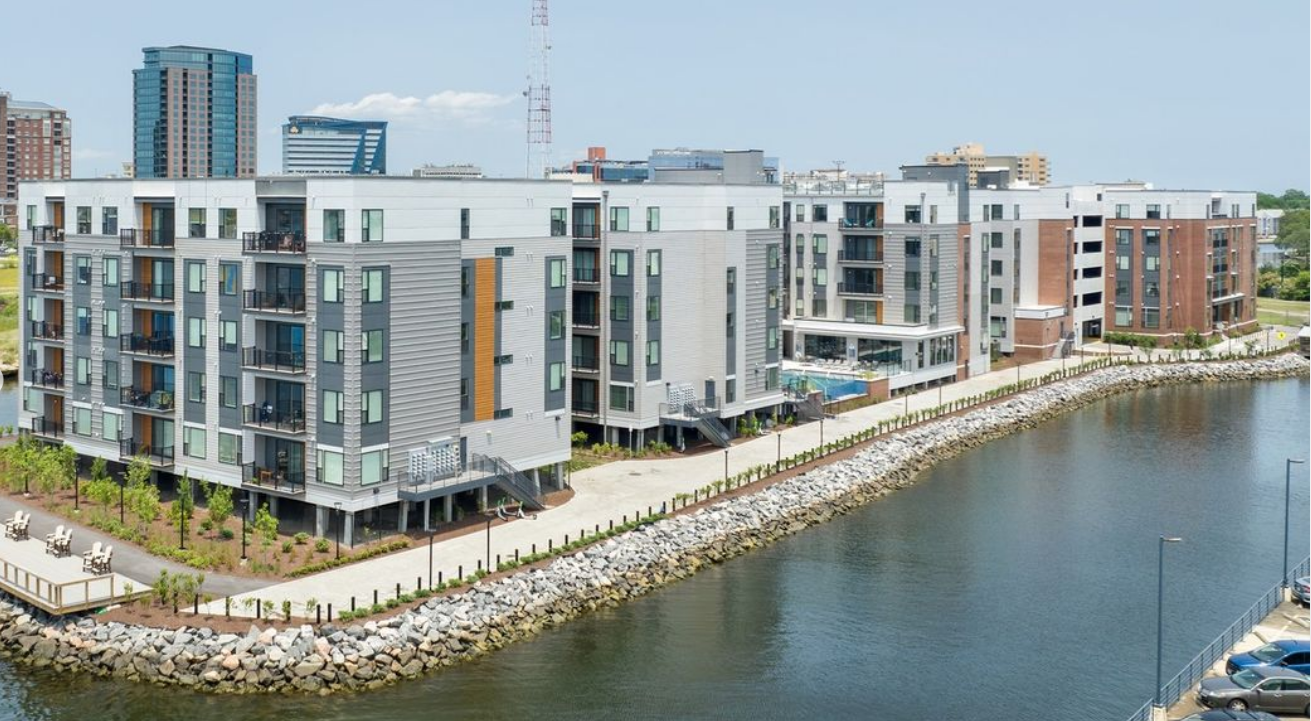
At Breeden’s Lofts at Front Street Community in Norfolk, Va., the company used the resident-referral program as a creative leasing strategy in a challenging submarket that was highly saturated, where conventional channels weren’t effective. The on-site team shifted its focus to strengthening the resident-referral program, particularly during lease-up, when it increased the reward to $1,000. The pivot was effective. In fact, according to Kane, a new resident became an enthusiastic advocate for the community when he better understood the referral program and realized he could essentially choose his neighbors. He promoted the community to his peers and generated enough leases to offset three consecutive months of rent, demonstrating how the right incentive can drive meaningful results.

Promoting your referral program

Once you’ve created and honed your referral program, don’t forget to actually tell residents about it. Greystar’s Benson said the company has seen success with promoting its programs through email blasts, texts, resident events and simple signage in package rooms. “The key is to weave it into your existing communications so it feels natural,” he said.
Meg Evans, an associate asset manager for Bristol Development Group, said her company also uses a community engagement app called Henri at a few of its properties, where it posts notifications about the referral program.
Before you get started
Do your due diligence before you put your program into effect. According to Conklin, some states may regulate these promotions, or prohibit them entirely, because referral fees may run afoul of the state’s real estate commission rules, while other states may cap the rewards.
Also, realize that if you treat your current residents properly, they may be so delighted with their living experience that they’re happy to refer friends and family to the community—without expecting any remuneration.
“If your current residents like the office or maintenance staff, they’re going to refer whether they get any incentive at all,” Conklin said. “Create an environment where not only the current people want to live but where they also want to bring their friends and family to join them.”