Reshuffling the Capital Stack to Fit the Market
It's a bespoke environment, but it's not without challenges.

This year U.S. multifamily real estate financing stands at a complex crossroads. After years of favorable borrowing conditions and robust investor demand, the market today reflects the cumulative effects of still-elevated interest rates, lingering inflationary pressures, tightened underwriting standards and a more discerning capital landscape. What was once a near-certainty for well-positioned apartment deals has become a more nuanced and challenging exercise in financial creativity.
At the heart of the current environment is the simple fact that multifamily deals are struggling to pencil at today’s pricing. Elevated construction costs, higher land values and a sustained pause in rent growth in many markets across the nation have narrowed underwriting margins. As a result, the time-tested assumptions that once underpinned debt service coverage ratios and investor returns are being reexamined. Borrowers and sponsors are finding that traditional sources of capital, particularly senior bank financing, are less willing to stretch on leverage or embrace aggressive pricing.
LIKE THIS CONTENT? Subscribe to MHN’s Finance & Investment Newsletter
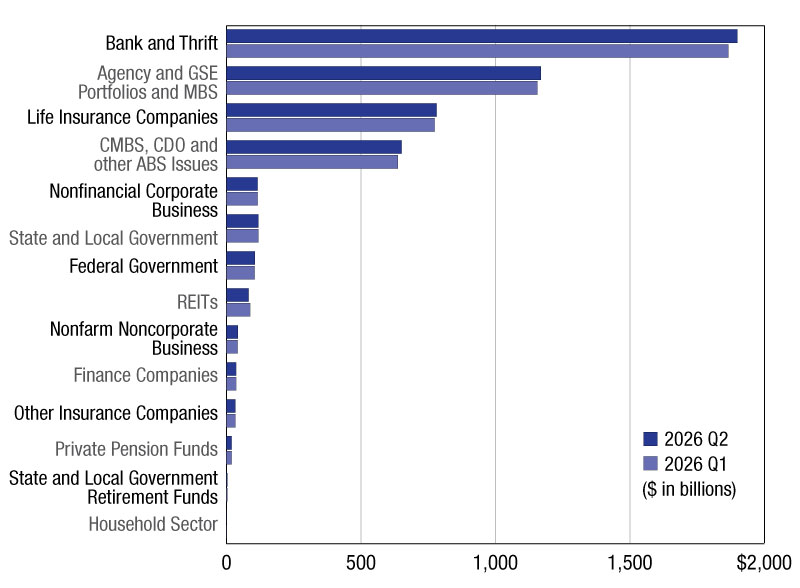
This has triggered a reshuffling of the capital stack. Traditionally, bank A-notes served as the core funding source for multifamily acquisitions and refinances—offering relatively low spreads over benchmarks and reliable tenors. But increased competition among lenders, especially those that cut their teeth in more volatile sectors like hospitality, has tightened spreads on these senior notes. The compression reflects both lenders’ search for yield and a crowded bid for quality multifamily assets. In other words, even in a constrained underwriting climate, capital chasing perceived safe havens has pushed pricing on A-notes lower than might be expected given broader market risk.
Ironically, this spread compression at the top end of the capital stack has opened opportunities deeper down. With bank A-notes becoming cheaper relative to risk, mezzanine lenders and subordinate capital providers are finding room to price more aggressively while still delivering attractive blended costs of capital for sponsors at full leverage. In deals where senior debt alone doesn’t cover the funding need, or where a sponsor wants to preserve cash flow cushion, mezzanine pieces are stepping in and often commanding wider spreads than would have been conceivable two years ago.
This dynamic creates a subtle arbitrage: Bank lenders compete for safe paper and compress spreads, while mezzanine lenders widen theirs, knowing that total financing cost is ultimately more competitive than it might appear. Sponsors who can structure deals that thoughtfully integrate both layers of debt are often better positioned to secure the financing they need without sacrificing long-term returns.
Yet this bespoke financing environment isn’t without its challenges. Mezzanine capital, by nature, requires deeper diligence, more complex documentation, and often more covenant sensitivity. Not all sponsors have the internal bandwidth to navigate these structures efficiently. Additionally, as some lenders—including non-bank life companies and debt funds—grow more selective, pricing and availability can vary significantly by geography, property age, and sponsor track record.
Looking ahead, multifamily’s financing ecosystem will likely continue to evolve. Traditional bank lenders remain critical, however, they are just one piece of a more intricate funding puzzle. For sponsors willing to embrace flexible capital strategies and partners who understand the nuances of layered debt, opportunities remain. But for the broader sector, success in this market demands discipline, creativity, and a clear understanding of how capital stack dynamics have shifted.
Zachary Streit, founder & president of Priority Capital Advisory, a boutique debt and equity advisor serving middle-market and institutional real estate sponsors. Please let us know if you’d like to become an MHN Viewpoint writer.