National Affordable Housing Report – August 2026
This research offers a new way to look at the competition between affordable and market-rate rents.
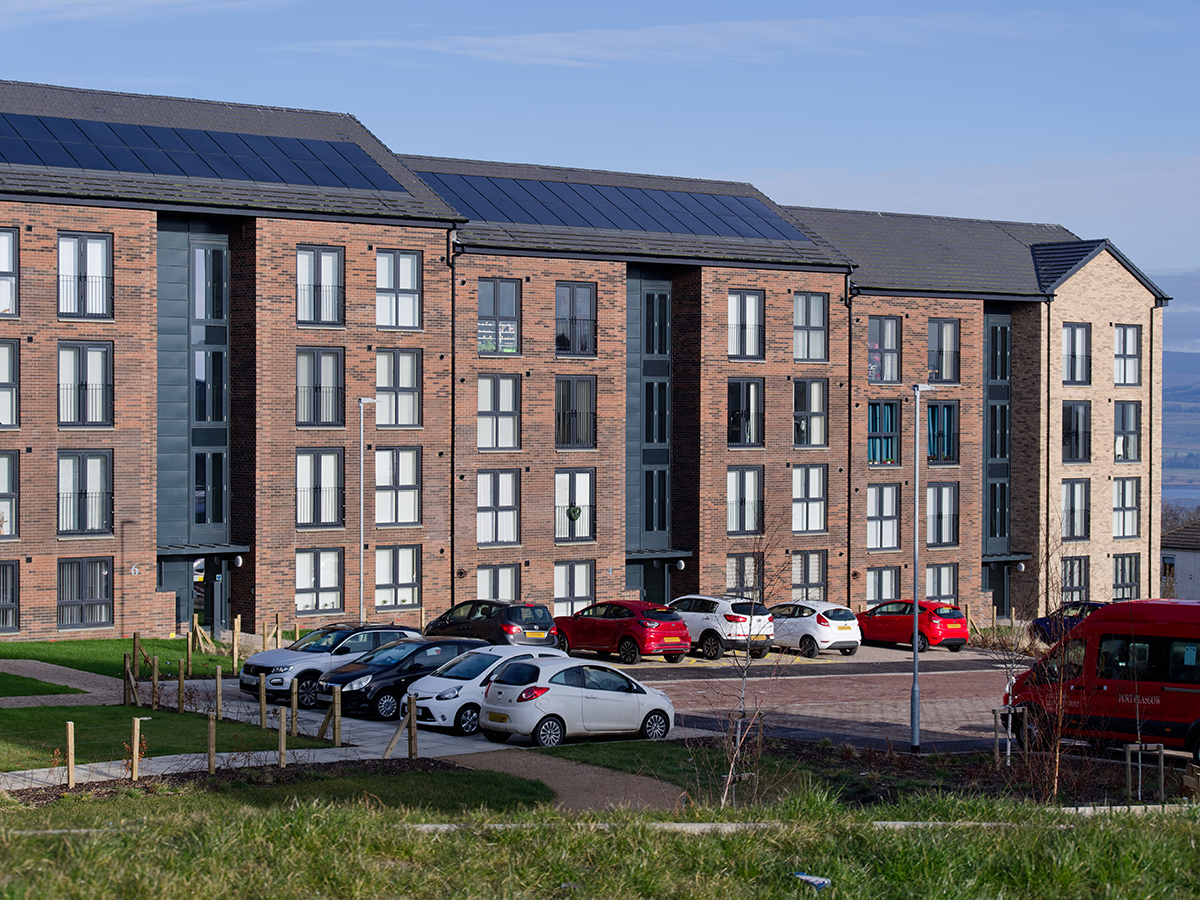
The spreads between the average market-rate and fully affordable maximum net rents result in a wide variation in market-level competitiveness between the two asset types, according to a new Yardi Matrix study.
A previous analysis dissected the overlap based on thresholds at the area median income level; however, this new research proposes a different approach.
Market-rate and affordable properties are in competition when the average rent of conventional communities falls within 15 percent of their income-restricted counterparts. The benchmark slides to 10 percent for markets in California. A property is considered affordable when at least 90 percent of units are income-restricted through government subsidies.
Factors such as the high premiums of coastal markets, new levels of supply, as well as vintage stock and composition, weigh heavily on the rental overlap between the two categories.
With overall pricing establishing a baseline for competition, high-cost coastal markets emerge as clear outliers since conventional rents are elevated across the board.
Take Boston, for instance, where the average advertised market rate of nearly $2,900 was more than $1,000 above the market’s affordable rent in July. With limited rental overlap, income-restricted properties across Boston were some of the highest in the nation, at 97.3 percent in July.
The share of a market’s new level of supply influences competitiveness. Even though a chunk of deliveries are at the upper end and rarely contend with income-restricted properties, they still create a ripple effect in the market as pricing adjusts throughout the existing market-rate inventory.
Austin, Texas, represents this phenomenon with its large glut of new supply that depressed advertised conventional rents to $1,593 in July, a figure below the average maximum net affordable rent of $1,622, resulting in a competitiveness level of 73 percent.
Many tenants may choose market-rate properties to avoid the income-restricted application process. This tendency resulted in 88.8 percent occupancy rates across income-restricted Austin properties in July, the lowest across Yardi Matrix’ top 30 metros.
The age of stock can likewise dictate the level of competition between affordable and income-restricted properties. Metros with a significant share of older properties, often referred to as naturally occurring affordable communities, may observe larger rental overlaps. The inverse can also be true as markets with significant discretionary or upper mid-range properties may witness less competition.
With nearly 80 percent of its stock representing workforce and low mid-range properties, Detroit’s competitiveness level clocked in at 56 percent in July, a figure identical to the one recorded across Dallas, though the Metroplex’s index was bolstered by supply and not structural factors.
Different drivers, different competitive environments
The upshot of age-driven competitiveness is that new affordable properties compete on quality, energy efficiency and long-term income-restricted status, in addition to price. This is highly relevant in markets with significant aging stock since new affordable communities deliver an additional value proposition for potential renters.
Demand for affordable housing across supply-driven markets shifts, rather than diminishing. Developers ought to emphasize location, quality and long-term operating performance even more than in metros characterized by advanced vintage.
Competition can inform decision-making across acquisition, preservation and rehabilitation strategies. Markets with limited competition may present attractive preservation opportunities, while metros with age-driven competitiveness can provide redevelopment and rehabilitation prospects, in addition to preservation.
As affordable housing resources become increasingly constrained, understanding the competitive dynamics and what drives them can provide valuable insights for developers, investors and policymakers, improving the sector by strengthening capital allocation, underwriting and construction frameworks.