How the New Fed Chair Could Affect Policy, Multifamily Investing
Industry executives on the implications for lending and deal velocity.
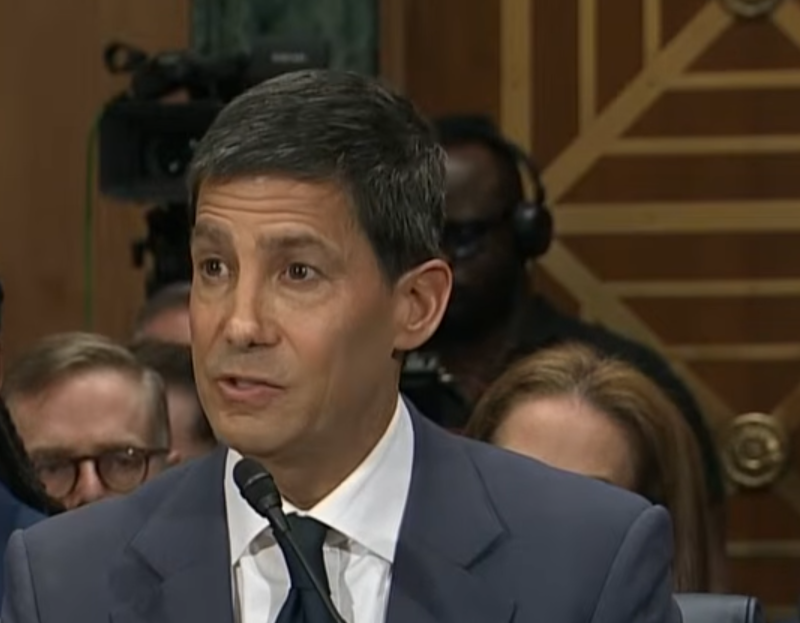
Kevin Warsh will take over as the 17th chair of the Federal Reserve this week, following a close vote Wednesday in the U.S. Senate. The 54-45 vote, which took place mostly along party lines, was the closest in Fed history. It’s just one example of the divisions and challenges Warsh will face as he takes over from embattled Chair Jerome Powell.
Powell, who in an unusual move will remain on the Fed’s seven-member Board of Governors, came under constant attack from President Donald Trump, who has been demanding interest rate cuts for more than a year.
Warsh’s independence from the White House will be watched closely, with his first test coming during the next Federal Open Market Committee policy meeting set for June 16-17. During the April 29 FOMC meeting, the committee once again agreed to hold the federal funds rate at 3.5 to 3.75 percent, where it has been since December.
The decision to keep interest rates steady came as the headline inflation remained higher than the Fed wants in order to begin cutting. Earlier this week, the Labor Department reported that April’s rate jumped to 3.8 percent from 3.3 percent in March, the highest in three years, driven largely by surging energy costs due to the war with Iran. Economists from Wells Fargo now predict the Fed will not cut rates this year because of inflation concerns and the relatively stable labor market, with Bank of America forecasting that cuts won’t occur until mid- to late 2027.
Industry leaders react to confirmation
Dwight Dunton, founder & CEO of Bonaventure, a multifamily development, investment and management firm focused on the Mid-Atlantic and Southeast, told Multi-Housing News that multifamily investors should pay close attention to changes in FOMC language around inflation and employment, because markets tend to react more to nuance than headlines.
“Rate decisions will still matter, but the more consequential signals may come from liquidity policy, including the Fed’s approach to balance sheet runoff, repo markets and whether quantitative easing returns, particularly through mortgage-backed securities,” he said.
READ ALSO: The Reality of Multifamily Restructuring
Dunton said he does not expect a material shift in transaction volume or refinancing activity in the near term, since financing costs remain driven largely by the 10-year Treasury.
“Where leadership could matter more is on the regulatory side, as the Fed has the ability to influence bank capital requirements and lending appetite for housing construction,” Dunton told MHN.
Mark Rose, chair & CEO of global commercial real estate services firm Avison Young, struck a more optimistic tone when asked what Warsh’s confirmation as Fed chair means for commercial real estate investment, including the multifamily sector.
Rose called it a positive signal for the CRE industry and the broader business community.
“His leadership will bring the stability that the business community has been craving and will restore the confidence needed for investors, owners and occupiers to move forward with long-term real estate strategies across all asset classes, including office, industrial, multifamily and retail.”
“As certainty improves, we expect increased deal velocity, better access to financing and a healthier pipeline of development,” Rose added.