Crafting a Vision for Inclusion at SoMi Parc in Miami
For Blindness Awareness Month, we're showcasing a South Florida community that helps people with vision loss live confidently, safely and independently.

For people with vision impairment, everyday life requires more than intuition. It relies on environments designed to guide movement, support safety and foster confidence.
At Residences at SoMi Parc, a new community in Miami, architecture meets accessibility in ways that redefine what inclusive housing can look like. Developed by Related Group in partnership with Miami Lighthouse for the Blind and Visually Impaired—one of Florida’s oldest and largest private vision-rehabilitation nonprofits—the fully accessible apartment building was created specifically for residents with vision loss.
This Blindness Awareness Month, Multi-Housing News explores how communities like SoMi Parc and the organizations behind them are proving that thoughtful design and collaboration can make independent living possible for everyone.
Independence begins at home
For Betty Chavarria, case manager at Miami Lighthouse, housing is a natural extension of the organization’s mission to boost independence for people with visual impairments through education, training and research. Accessible homes, she said, lay the groundwork for safety, dignity, long-term stability and autonomy.
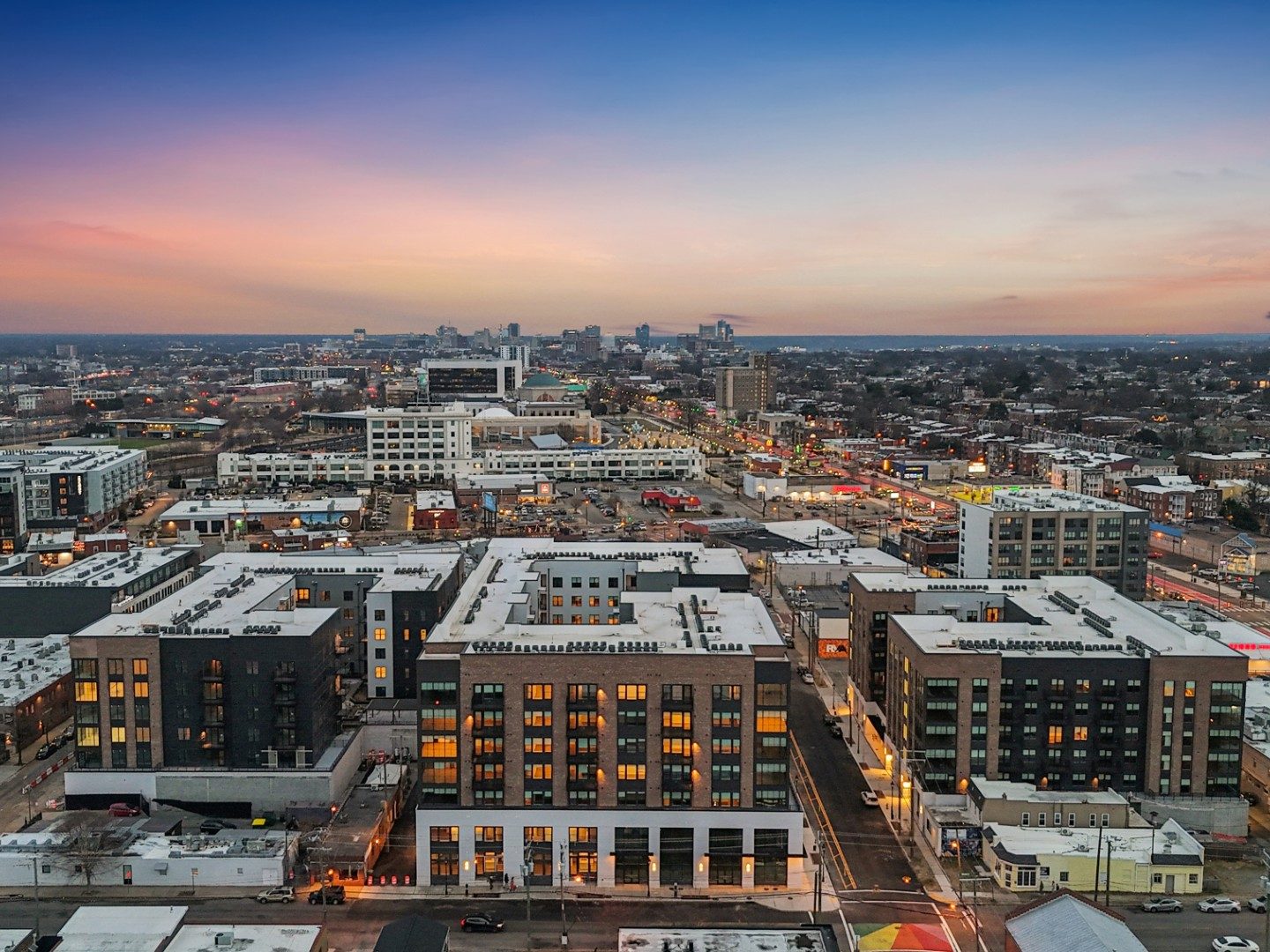
That vision came to life last spring, when the first phase of SoMi Parc opened with 172 mixed-income homes on a block where Metrorail and everyday services are just a short walk away. A nearly 1-acre courtyard organizes the site and doubles as an intuitive wayfinding anchor. Community rooms, coworking areas and fitness spaces are positioned just off the main paths, keeping daily routines direct and familiar. Electric charging stations, bike storage, a dog park and public art complete the ground level—with every element emphasizing proximity and accessibility.
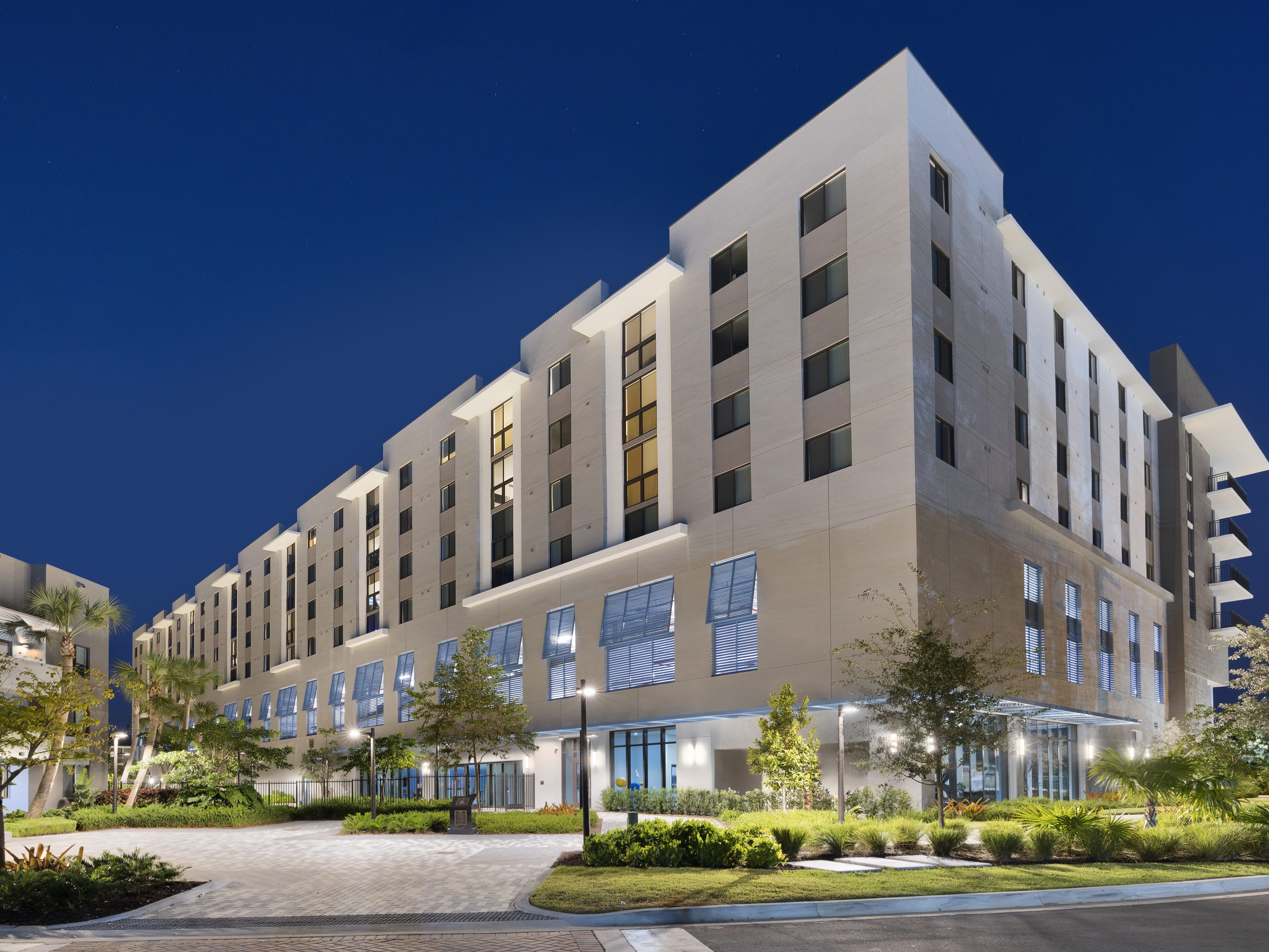
At the ground level, Residences at SoMi Parc includes coworking, meeting rooms and service spaces, supporting independence beyond the apartments. All images courtesy of Miami Lighthouse for the Blind and Visually Impaired 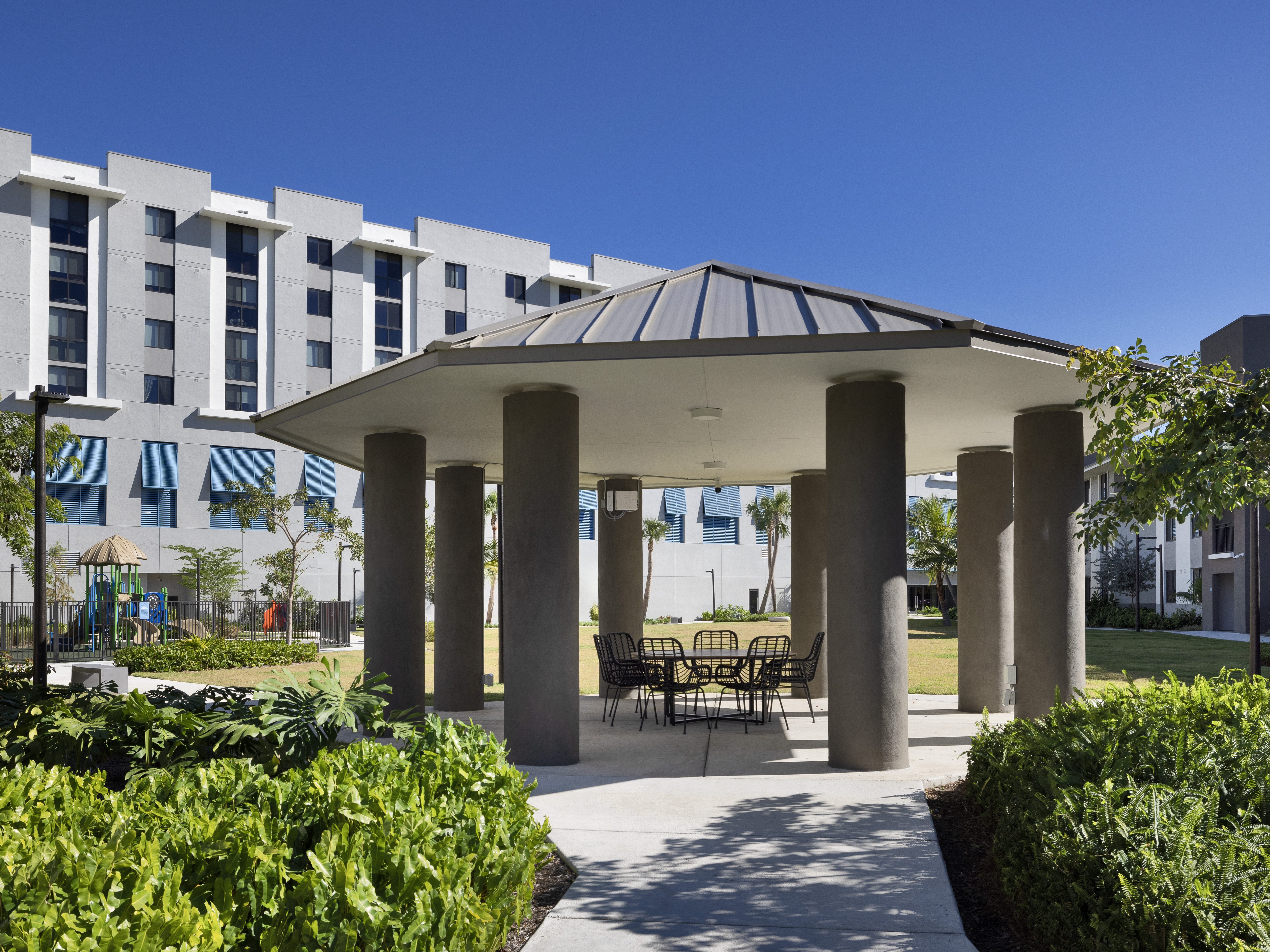
A green courtyard links to the clubroom, the fitness facility and the coworking space for seamless indoor–outdoor living. 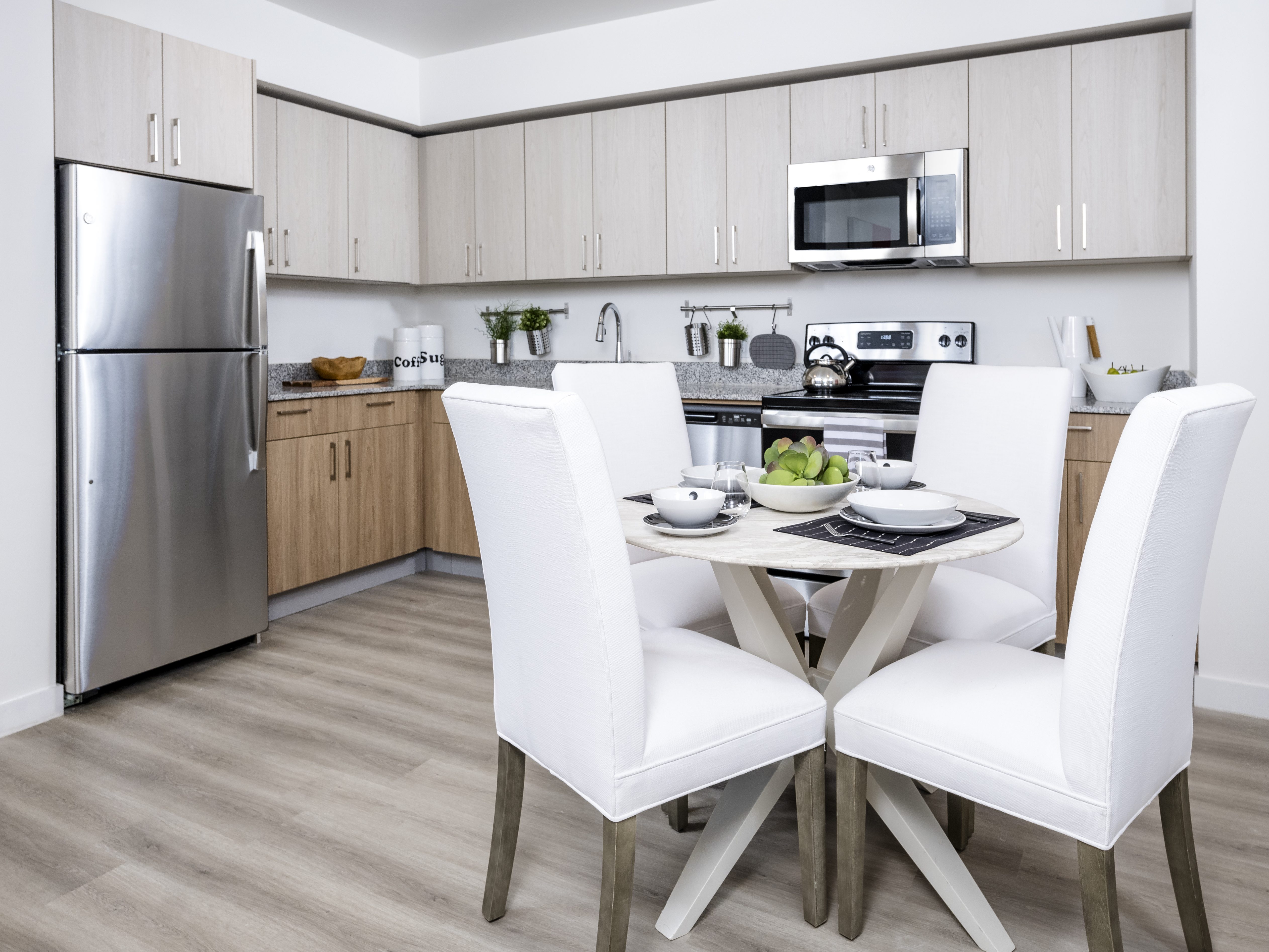
Kitchens at SoMi Parc include top-tier appliances. 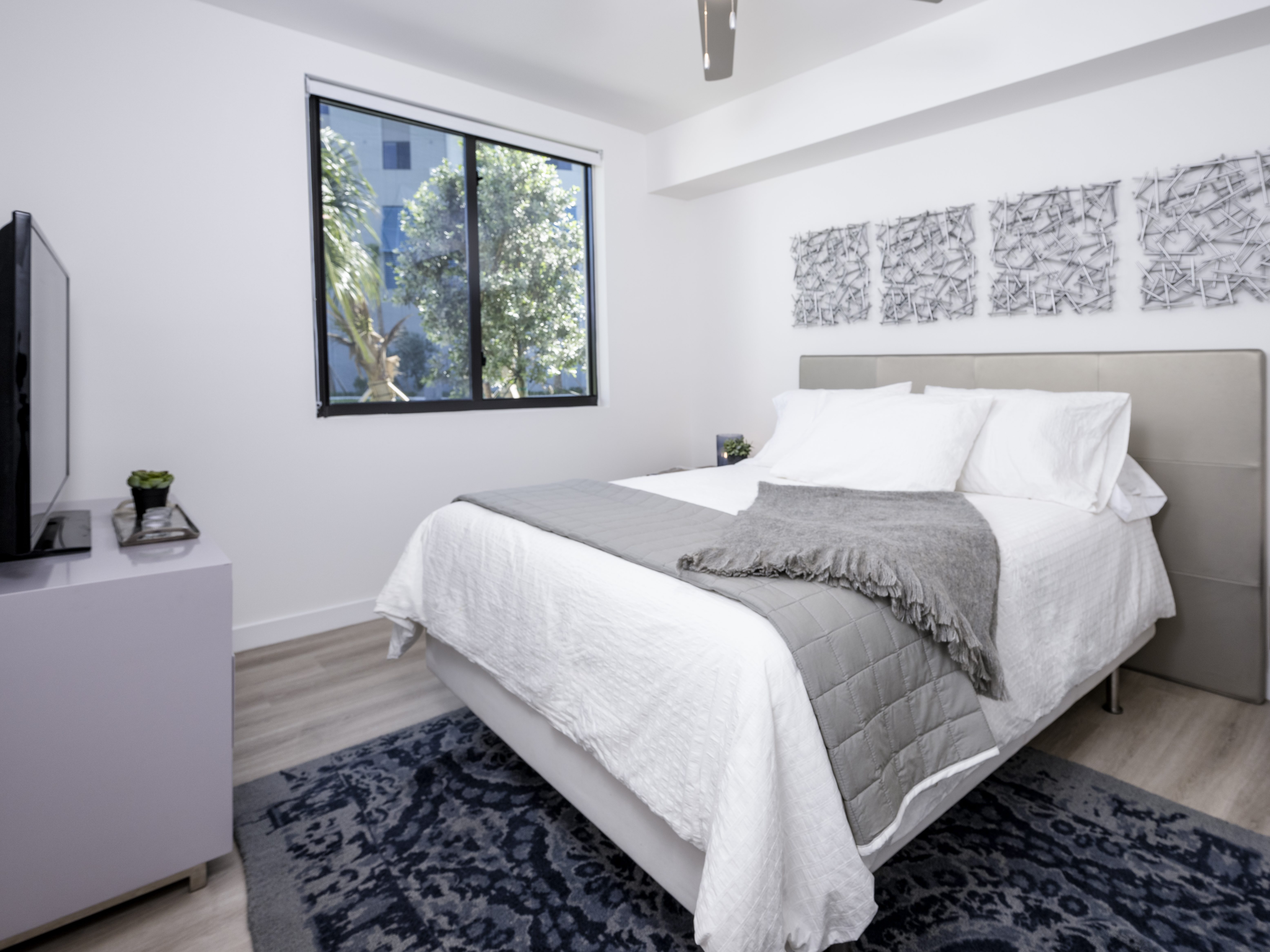
Open layouts, contrast-forward lighting and clear pathways aim to make daily routines safer and more independent for residents with vision loss. 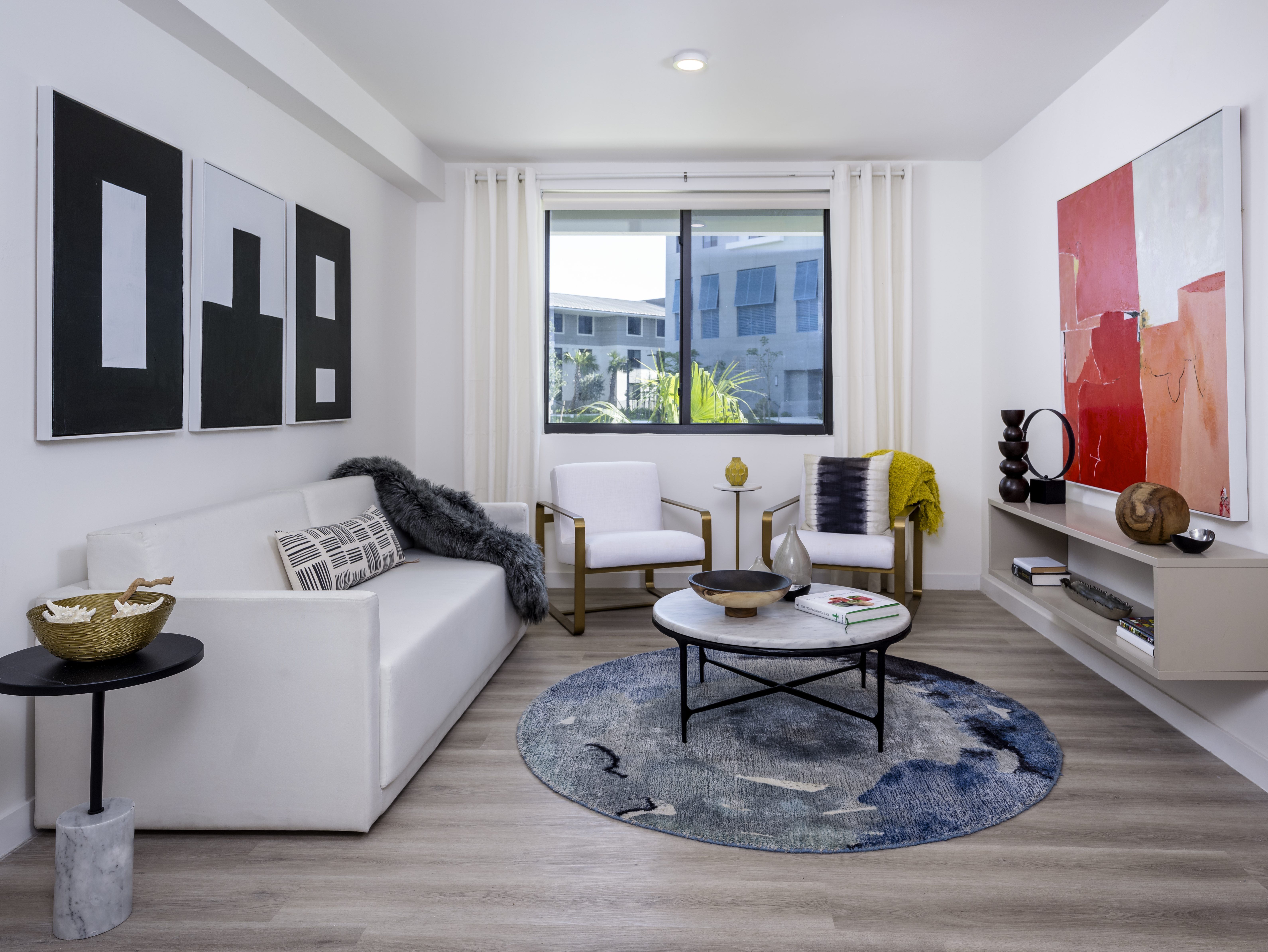
Miami Lighthouse’s Orientation & Mobility team provides support at move-ins, helping residents use layouts like this one with confidence every day.
Inside SoMi Parc, located at 5961 SW 68th St., thoughtful design features like high-contrast finishes, tactile floor transitions, wide circulation paths, adaptive-technology readiness, and lighting optimized for low vision make residents’ lives easier. Chavarria believes these enhancements are most effective—and most cost-efficient—when service providers and developers collaborate from day one. The partnership also shapes how the building operates. Related Group worked with Miami Lighthouse to align designated units with the residents they’re meant to serve.
“We took the initiative to help Miami Lighthouse become a certified referral agency with the Florida Housing Finance Corp,” said Related Group Vice President of Development Andrew Velo-Aria. “This partnership now ensures these units go to residents who truly need them … Through our 15-year agreement with Florida Housing Finance Corp., we’ve ensured these units remain affordable and reserved for qualified residents over the long term.”
What SoMi Parc residents say
For residents, SoMi Parc represents more than just a place to live—it’s a chance to reclaim their independence. Xavier Richards lost his sight to glaucoma four years ago. Today, he lives on his own, surrounded by neighbors with similar experiences. “As a person with low vision, having my own apartment designed with accessibility in mind has been life-changing,” he said. Spacious, open layouts and clear pathways help him move confidently and safely with a cane, while proximity to transit allows him to run errands and join community activities with ease—an everyday freedom he says restores his dignity.
Brigitte Fabien, another SoMi Parc resident, echoes that sentiment. Through Miami Lighthouse for the Blind’s Orientation and Mobility training, she learned to navigate the building confidently and travel independently to nearby destinations. “For the first time, I feel a true sense of independence and control over my daily routine,” Fabien said.
READ ALSO: A Live-Work-Play Hub in Miami’s Creative Core
Living at SoMi Parc has also created space for her long-term goals. “I’m currently attending massage school and pursuing my career ambitions with the peace of mind that I have a safe place to return to each day,” she added.
Fabien encourages all developers to involve people with lived experience early in their projects and to prioritize simple, high-impact features—such as Braille signage, consistent lighting and contrasting edges on doors and stairs—to help residents with visual impairments gain greater autonomy in daily life.
Carrying the vision forward

The lessons from SoMi Parc are already shaping what comes next. Related Group plans to continue this approach in upcoming phases of the SoMi Parc master plan in South Miami, with Miami Lighthouse’s Orientation & Mobility team advising on accessible layouts and design placement.
Chavarria believes that pairing referral networks with real-world accessibility and consistent follow-through—such as help with applications, move-ins and post-occupancy support—will drive lasting housing stability for people with blindness and visual impairments.
“Having secure, affordable and accessible housing has transformed how I see my future,” Richards disclosed. “Living here has shown me that accessible, inclusive housing isn’t just about a place to live—it’s about having a foundation to build a better future.”
For Florida, where more than 2 million residents are living with low vision, that foundation stands for more than one resident’s success. It’s the start of a community built on access, dignity and possibility.