Class B Properties Capture New Interest
In select markets, older properties are most appealing to investors. Here's why.

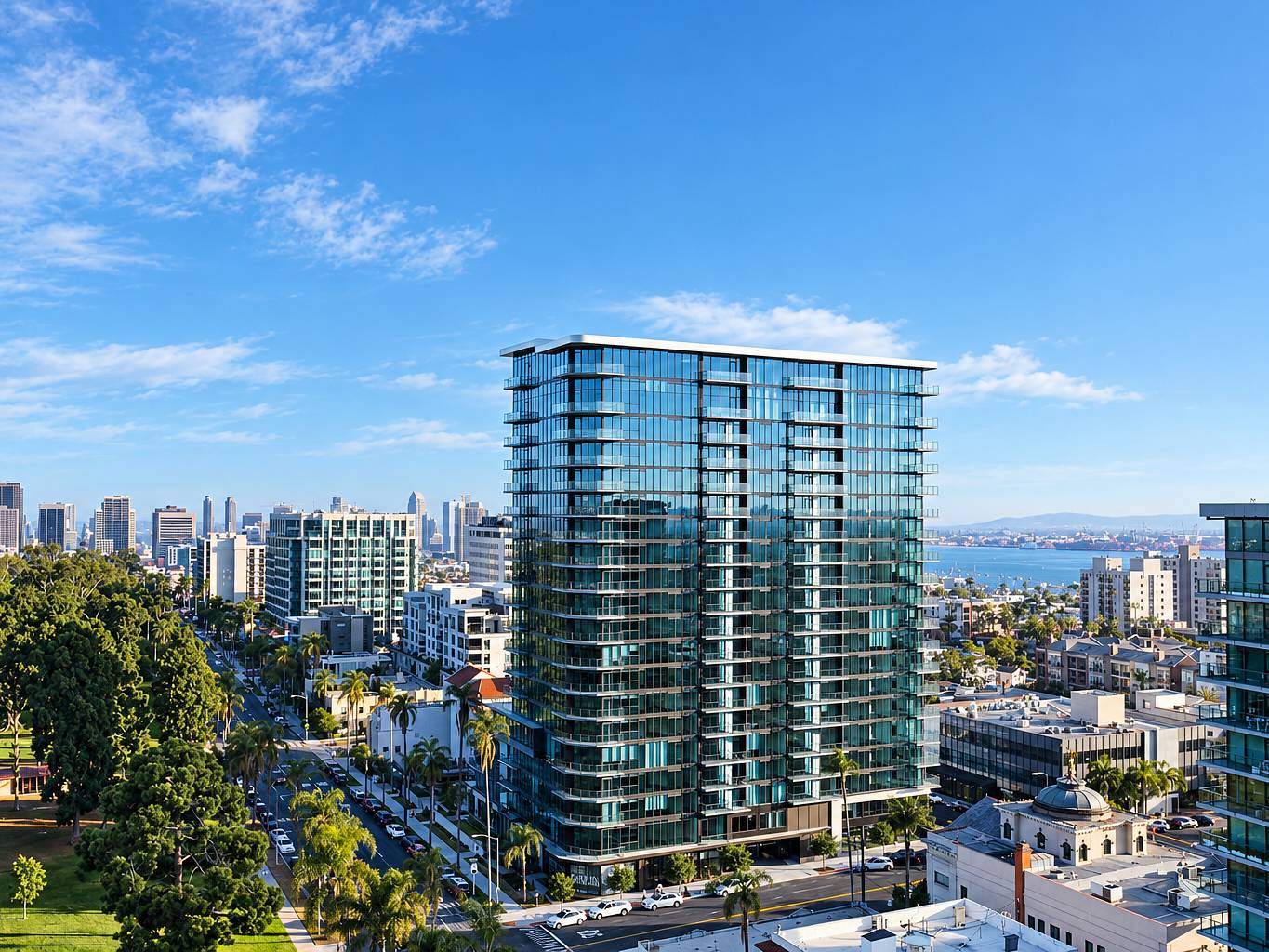
Despite numerous headwinds, including a challenging financing landscape and economic uncertainty, investors of multifamily assets continue to look for acquisition opportunities. Many of these investors are focused exclusively on Class A assets for what is perceived as their lower risk profile. This attitude is driving fierce competition for Class A offerings, a fact that makes little sense with Class A properties in many markets experiencing negative to low rent growth due to an abundance of new supply. Currently, sponsors for Class A properties are underwriting to low double digits.
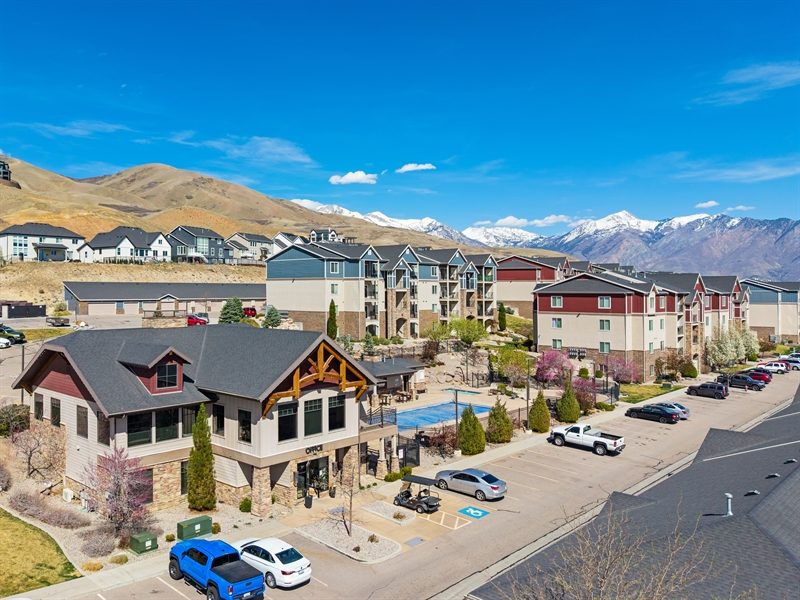
At this point in cycle, Class B opportunities in markets with limited new supply and great demographics offer better risk-adjusted returns. With compelling going-in cap rates, projected rent growth and often attractive assumable debt, these properties offer immediate yield as well as rent growth upside. Particularly in supply-constrained submarkets with great demographics, the difficulties of developing new product opens the window for renovations to achieve higher rents without the downward pressures of competing new supply.
LIKE THIS CONTENT? Subscribe to MHN’s Finance & Investment Newsletter
Assumable debt opportunities are mostly for properties that were financed with 10-year fixed-rate debt before interest rates increased in 2022. With five to seven years remaining at 3-5 percent interest rates, these properties offer significant value by giving the buyer positive leverage they cannot create by taking out a new loan in the current interest rate environment.
One recent opportunity we’ve seen includes a mid-2010s vintage, Class B+ asset with a low-4 percent assumable loan asking for a 4.75 percent cap rate. The positive leverage allowed by assumable loans is difficult, if not impossible, to engineer with a new mortgage in today’s market. While you do have to compensate the seller for the lower interest rate, you are able to generate better cash flow in the first part of your hold period.
Many Class B properties are also currently trading at a significant discount to replacement costs because of recent construction cost increases. For example, a few deals in the Tampa MSA have traded in the $200,000 to $250,000 per unit range while new project costs are projected at closer to $300,000 to $350,000 per unit. The ability to acquire properties at a discount creates significant value, especially when combined with the fact that many previously oversupplied markets have fewer units delivering in the next 12 to 24 months.
Substantial recent deliveries have resulted in an overhang of supply that has negatively impacted rents, especially for Class A new construction. Owners have been forced to decrease rents and offer more concessions to stabilize these properties. Class B properties with high in-place occupancy are less risky than these transitional assets, while also offering value-add potential once new supply is absorbed by the market.
Consumer demand
Given the decline in job growth, increase in unemployment and softening wages, there may be a strain on rental affordability. Renters will likely be more price sensitive as a result and may seek Class B rentals over Class A due to budgetary constraints. With interest rates likely to decrease in the next 12 months, Class A properties could also face softening demand as higher-income renters transition to homeownership.
In terms of Class B opportunities with limited new supply and strong demographics, the Northeast continues to have lower deliveries due to infill markets and high barriers to entry. This region also benefits from a solid and diverse job base, low vacancy rates, high rental demand, aging supply (with opportunities for value-add), and excellent demographics.
In addition, population and migration shifts are still trending toward the Sun Belt, secondary metros and states like Texas, Florida and Arizona. The supply pipeline has finally peaked in many markets, which will alleviate the pressure on many properties in lease-up or with high vacancy rates, while creating opportunities for core-plus and value-add buyers.
Elie Rieder, founder & CEO, Castle Lanterra.