Building The Right Optionality Into Your 2027 Plans
Flexible leasing and furnished options can improve property performance.

Most 2027 multifamily plans rest on the same assumption: Fewer apartments will be delivered this year. This will give existing inventory more time to absorb and ease pressure on occupancy, concessions and effective rents. It’s a reasonable expectation, but one of the key forecasts underpinning it keeps moving.
Yardi projects roughly 444,000 completions in 2027, down from about 490,000 in 2026. A year ago, however, it expected only about 360,500 completions in 2027. New supply is still projected to decline, but the drop is shallower than owners were expecting.
The national picture hides a lot of variation. The Sun Belt markets that saw the heaviest building activity, namely Austin, Charlotte and Tampa, are still working through oversupply challenges. Meanwhile, plenty of other metro markets such as Virginia Beach, Milwaukee and Chicago raised rents and had a strong 2025.
In markets where supply is beginning to absorb, renewals may strengthen and concessions may soften. But for operators that have already cut rents or leaned heavily on discounts, it is harder to know how quickly pricing power will return. That uncertainty makes it useful to have other NOI levers ready. No one builds a complex of only two-bedrooms and hopes the market cooperates. Optionality in leasing carries that instinct further, building more than one path to occupancy and NOI into the property strategy rather than relying on one renter profile, one lease structure or one source of revenue.
In building out optionality into next year’s strategy, three decisions follow. Starting with where your budget is already betting on a recovery, then where NOI can come from inside assets you already operate, and finally which properties need another path to demand.
LIKE THIS CONTENT? Subscribe to MHN’s Finance & Investment Newsletter
Know which part of the budget’s betting on the recovery
Better fundamentals will not reach every property at the same pace. Owners should identify where each budget assumes concessions ease, occupancy improves or effective rents rise, and where a slower recovery would put the plan at risk.
And renters already acquired on concessions raise another consideration. There is no guarantee they will renew at the rates properties are used to seeing, and, with heavy reliance on concessions across markets, the industry may have attracted a more value-driven renter who will move when the deal ends.
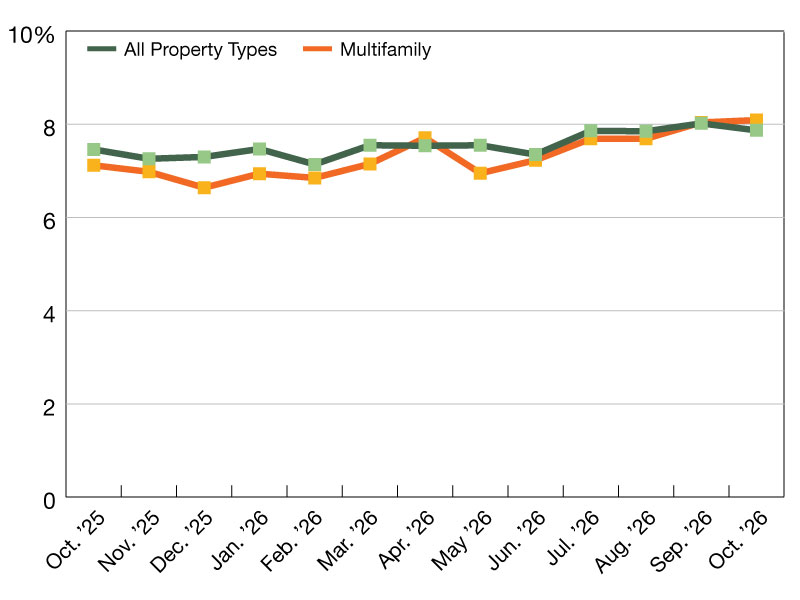
Current performance shows why this work has to happen property by property. Yardi Matrix reported the national apartment vacancy rate was 94.3 percent in October, but rent growth in the Sun Belt is still negative. Lease-ups in heavily supplied submarkets may still need concessions or additional marketing spend.
Most teams in these markets already know the pressure they’re under. Budget season is the time to decide what would make them change course. At what occupancy level does the current strategy stop working? At what point does another month of vacancy and lower net rents cost more than pursuing a different source of demand?
The thresholds set by answering these questions should vary by property, but setting them in advance prevents teams from spending months reacting to a miss with more of the same.
Give the existing asset another way to make the number
Stronger pricing can contribute to NOI growth, but owners cannot create market rent growth just because a budget calls for it. Properties relying on a 2027 pricing recovery have more reason to implement new levers that impact NOI, especially those they can quickly implement inside assets already under management.
There are building blocks already available that show how impactful these alternative strategies can be. Public operators have shown how meaningful those levers can become. Before its merger, Equity Residential expected bulk Wi-Fi to contribute $6 million of NOI in 2026 and roughly $10 million annually once fully deployed.
But not every lever works on the same timeline. Essex Property Trust has seen some initiatives take up to two years to monetize, a distinction that matters if anticipated renter demand does not show up on schedule.
The default response to rising vacancy is to leverage more concessions, spend more on marketing or make more pricing adjustments. Yet Landing research found that 45 percent of operators reported losing as much as 9 percent of revenue to empty units despite efforts to reduce vacancy.
For properties in high-supply submarkets still leaning on concessions or competing with nearby lease-ups, new renter audiences can also be unlocked via furnished stays. The same operator survey found that 80 percent have received inquiries for leases under nine months—demand that falls outside the conventional 12-month lease. Naturally, furnished stays still have to work at the NOI level after furnishings, operating costs and property workload.
Decide where optionality is actually worth building
A portfolio-wide strategy rarely requires a portfolio-wide solution. Stabilized properties running near full occupancy have different needs for optionality than a Class A lease-up competing against several new deliveries nearby.
Start with the properties where an alternative path to demand has the most value. Look beyond the vacancy number. Which floor plans have consistently sat empty? What changed this year that would suddenly put them in demand? On-site optimism may not stand up to the historical reality.
From there, operators can rank where another demand channel has the most potential value. Some properties may need one immediately. Others may simply need an option ready if performance slips below the thresholds set during budgeting.
Put a value on the ability to change course
A conventional lease may still do most of the work, while bundled services, furnished housing or different stay lengths can expand the pool of renters a property can reach. Yet a clear strategy for how to leverage each option is required, as more options do not automatically mean better economics.
Sentral says furnished apartments can account for roughly 5 percent of a property or a majority depending on local demand and relative owner value. At Landing, 96 percent of partners expanded their participation in 2025, another signal that operators are scaling these options where the economics support them.
The right mix will vary by property based on demand, operating complexity and the return each option can generate.
By the time owners know exactly how the 2027 recovery is playing out in each market, many of the decisions shaping the year’s performance will already be made. The options need to be clear before then. If conventional leasing strengthens faster than expected, operators can shift inventory back toward it. If recovery takes longer, they should already know which other demand and NOI levers make economic sense and how quickly they can deploy them.
The advantage heading into 2027 is deciding what you’ll do when an individual property deviates from the forecast, rather than attempting to predict exactly how recovery may unfurl in every market.
Please note: To become a Viewpoint writer, reach out to Therese Fitzgerald at therese.fitzgerald@cpe-mhn.com. All Viewpoints are copyright of Multi-Housing News 2026. We do not accept AI-written content.