Rechler Equity Lands $154M for Long Island Community
The financing covers all three phases that make up the property.
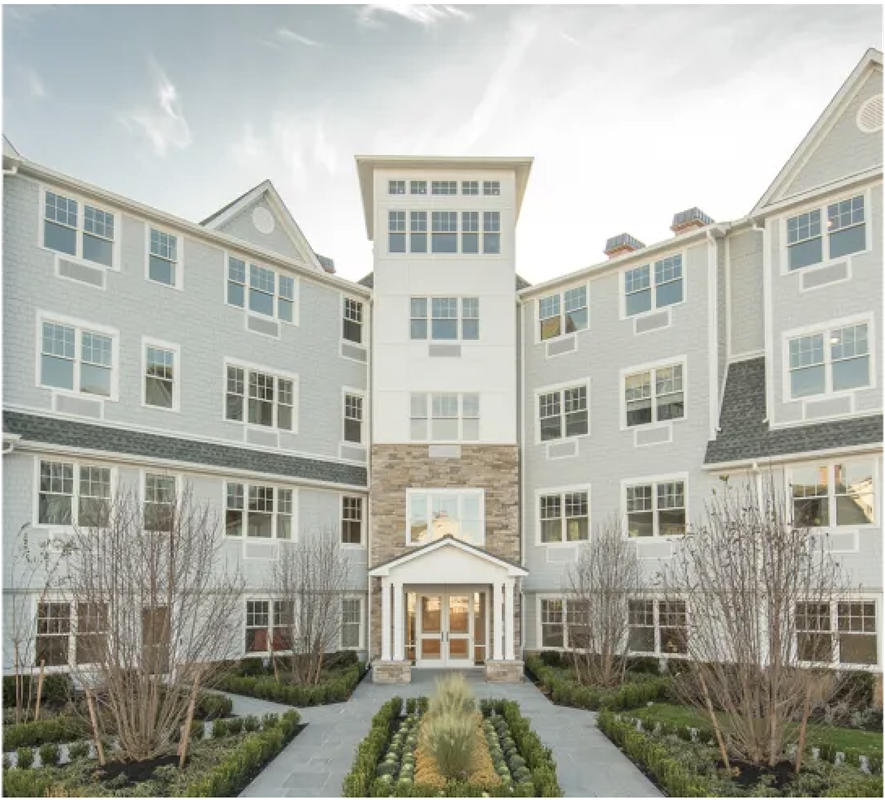
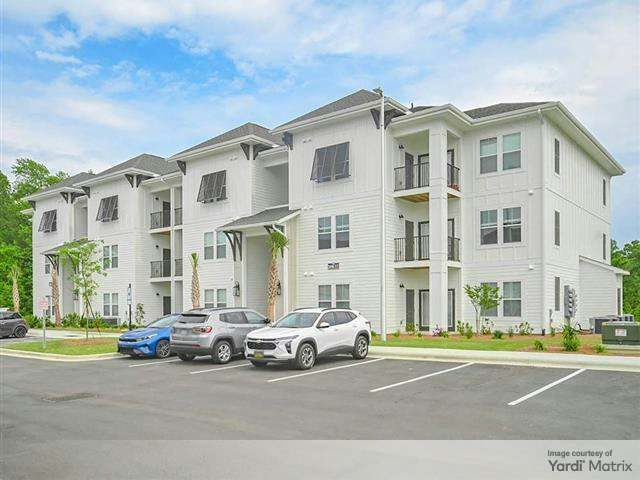
Rechler Equity Partners has secured a $154.3 million refinancing loan for Greybarn Amityville, a 335-unit community in Amityville, N.Y. PCCP provided the note in a deal arranged by JLL Capital Markets.
The financing covers the three phases of Greybarn Amityville, as well as the property’s 37,737 square feet of retail space.
JLL Capital Markets Senior Managing Directors Peter Rotchford and Andrew Scandalios and Director Clayton Ross worked on behalf of the ownership.
A multifamily community in Suffolk County
Developed by Rechler, Greybarn Amityville came online in three phases between 2016 and 2020. From the total number of residences, 269 are market-rate apartments, while the other 66 are workforce units. Shared amenities include a swimming pool, fitness center, resident lounge and a community garden.
READ ALSO: Top Markets for Multifamily Transaction Volume
Situated at 805 Broadway, Greybarn Amityville is in proximity to the interchange between New York State Route 110 and Southern State Parkway, which connect the area to downtown Brooklyn and downtown Manhattan, some 30 and 40 miles west, respectively.
There are 16 other multifamily properties featuring between 54 and 338 residences on a 3-mile radius of Greybarn Amityville, totaling upwards of 2,000 units, according to Yardi Matrix information. Within the same area, there are four prospective multifamily projects amounting to almost 1,500 apartments.
It’s no novelty that multifamily development across Long Island is characterized by restrictions in terms of zoning, taxes and approval processes. Between 2012 and 2021, Long Island legislature allowed for seven housing units per 1,000 residents, Homix Journal wrote. Across Nassau and Suffolk counties apartments are prohibited on 96 percent of land, constraining residential development.