How These Towers Are Adding VITAlity to Hell’s Kitchen
The development team behind VITA, New York City’s largest Passive House condominium community, shares the project's story.
In the heart of Manhattan’s constantly evolving Hudson Yards neighborhood, a twin-building Passive House condominium project is set to serve as a beacon of sustainable urban living when completed this fall. VITA encompasses 121 residences that will achieve an energy consumption reduction of up to 90 percent, while providing an oasis within the city’s bustle.
“Vita” is the Latin word for “life.” It’s also the root of “vitality,” the feeling the development team wants to instill into everyone stepping inside the mixed-use development at 499-501 Ninth Ave. As New York City’s largest Passive House condominium development, the project gives luxury a vitality boost by elevating sophisticated aesthetics through innovative energy efficiency, and wellness-focused design.
Developed by ZD Jasper Realty and brought to life by Archimaera and INC Architecture & Design, the 12-story towers stand out architecturally from the skyscrapers dominating the middle of the district.
ZD Jasper Realty had collaborated with Archimaera’s founding partner, Jeremy Zuidema, on several projects before VITA, so there was already a strong alignment between the two teams, Susan Wu, COO at ZD Jasper Realty, told Multi-Housing News. Passive House was the meaningful challenge they were both looking for, and VITA became the shared vision to build something different.
VITA was projected to stay within the Passive House energy usage annual limit based on its square footage. “We engaged an energy consultant to model the entire building to stay within that limit, which leads to incredibly efficient design—airtight walls, high R-values (materials’ resistance to heat flow, indicating insulating power; higher R-values signify better insulation), triple-pane windows and energy recovery ventilation,” Wu detailed.
READ ALSO: Take a Step Inside Manhattan’s Sustainable Gem(ma)
The buildings will be low-emission, with all-electric operations, equipped with induction cooktops, VRF multi-zoned HVAC and a carbon dioxide heat pump for hot water.
“It adds up to drastically reduced heating and cooling needs, hence lower utility bills and a much more stable, comfortable indoor environment … When you stack it all up, it’s one of the greenest luxury residences in the city,” believes Wu.
Intricate complexity
Building the largest Passive House condominium in NYC came with an enormous level of cost and complexity, according to Wu. To meet the accredited standards of thermal resistance, each piece of the façade had to be custom-designed, constructed and tested far in advance. Every window, wall assembly and mechanical penetration had to be carefully coordinated for airtightness.
Achieving airtightness and insulation came down to execution, which proved quite challenging, especially when multiple teams had to work together. “The work of each trade affects another, and every trade needs to equally prioritize precision and quality when it comes to the building envelope,” Wu explained.
READ ALSO: Green Construction Practices
The proximity to the Port Authority added to the project’s intricacies, requiring extra coordination around staging, delivery and construction phasing. VITA’s development team had to coordinate access with the institution, work around their schedules and plan for infrastructure constraints. Yet, that’s the nature of building in New York, where nothing is static. “Just as we made room for them, they’ll eventually have to work around us to build their open green space in our backyard. It’s an ongoing dialogue,” said Wu.
Additionally, the project’s proximity to the bus terminal also came with significant levels of noise and pollution, but ultimately, all these shortcomings inspired the idea of a Passive House development.
“Passive House is a standard that necessitates highly insulated and air-tight construction in combination with energy recovery ventilation,” said Zudeima. “A natural byproduct of this standard is that it will produce an environment very well insulated from sound and pollution.”
Distinguished appearance
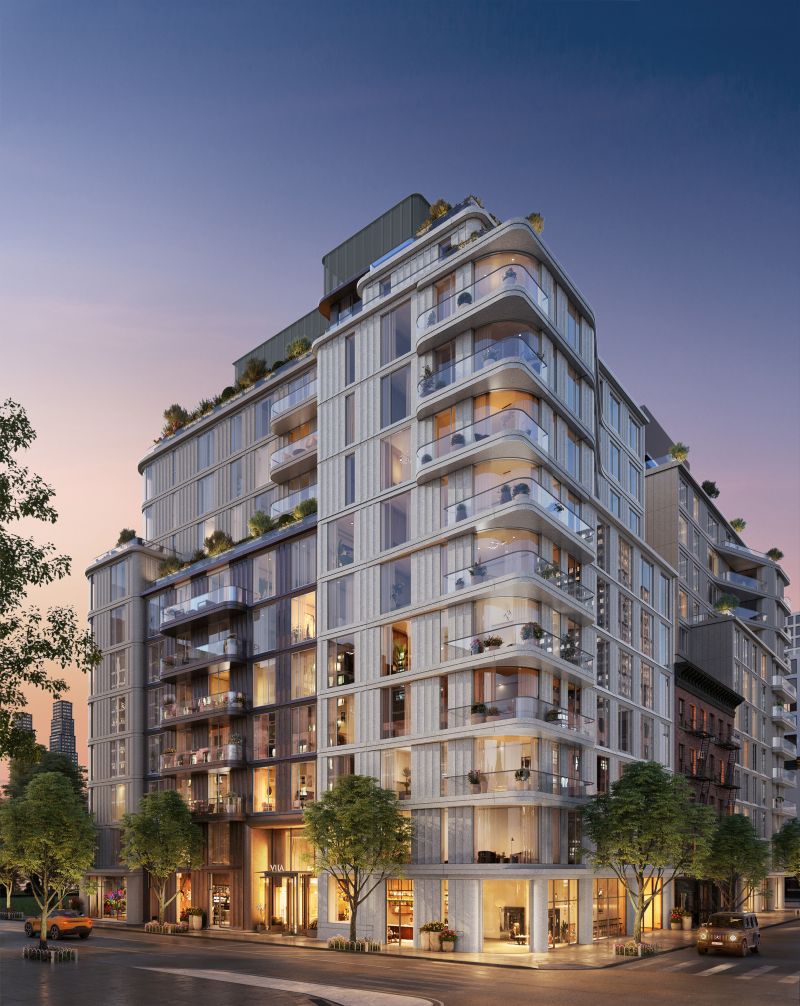
The two buildings within VITA present a dichotomy, which is unusual in architectural projects. Specifically, the aim was to construct buildings as a cohesive whole while also expressing uniqueness. To reach this goal, the team used three tones of cladding with a different mix in each building to create both variety and continuity. The setback cantilever on Ninth Avenue emphasizes this relationship, with the two buildings visually striving to reach for one another. Both buildings feature a double-height entry lobbies and similar detailing.
The façade is “very much a product of its unique context,” as per Zuidema. Being sandwiched between Ninth Avenue and Lincoln Tunnel access ramps, the site is visible from multiple vantage points, while endowed with unique views out. “There was an early decision to capture that with the curved windows at the corners, which afford unique views up and down Ninth Avenue, out across the Lincoln Tunnel and across to Hudson Yards,” he detailed.
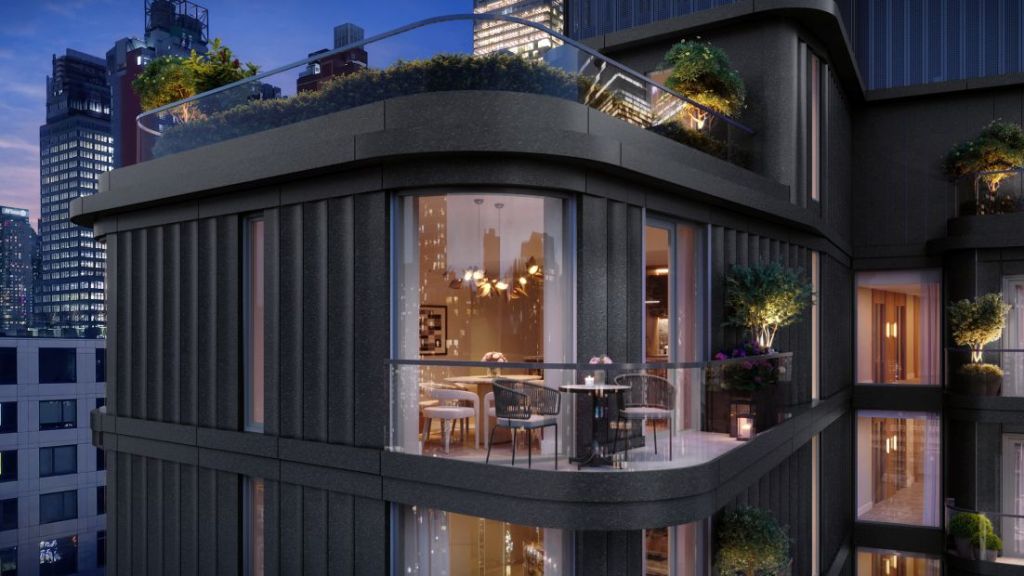
This softening of the corners was repeated as a motif throughout the cladding in the fluted precast panels and curvaceous balcony protrusions. And although most of the building form is a product of zoning limitations, these balconies were introduced to emphasize this sculptural quality and provide passive shading to many of the windows, which helps to minimize the cooling load required by the building.
While the triple-glazed curved windows and fluted paneling do not contribute in and of themselves to the building’s energy efficiency—but are more a product of the massing, views and aesthetic design—the choice to use a panelized construction system is key to the building’s efficiency, disclosed Zuidema. The panelized system allows constructing the cladding panels offsite, with the panel, window and insulation installed in a controlled environment. Then, each panel is hung from four heavy-duty brackets, with the joints between panels fully sealed.
This construction method is less invasive, designed to help the building maintain a continuous blanket of insulation with minimal penetration, which is important because each penetration becomes a weak spot in the building’s thermal envelope.
“Panelized construction systems will see their popularity rise both for future Passive House projects and those that are just looking to maximize their energy efficiency,” predicts Zuidema. That is because, in addition to producing an improved thermal envelope, they also have the potential to speed up the construction process under the right circumstances.
READ ALSO: Resilient Design: 4 Apartment Case Studies
Passive House also means that all the windows at VITA are triple-glazed to achieve a very low U-value (how well a building component, such as a wall, window or roof transfers heat through it; the lower the better insulation and less heat transfer) and maintain the highest possible thermal performance presently. Additionally, the window frames are made with fiber-reinforced PVC, boasting excellent thermal and strength properties, and allowing for large window sizes.
Ample consideration was placed on the ratio of solid wall-to-window in the façade, because windows are naturally a weaker point in the thermal envelope. The curved corner windows help provide a perception of very large expansive views from within the units, while controlling the ratio of solid wall-to-opening area.
“In a mixed-use multifamily development like this one, the heat gain in the summer months is the bigger factor to control,” said Zudeima. “To that end, the protruding balconies play a big role in shading many of the larger windows from the sun’s rays, significantly reducing the solar gain.”
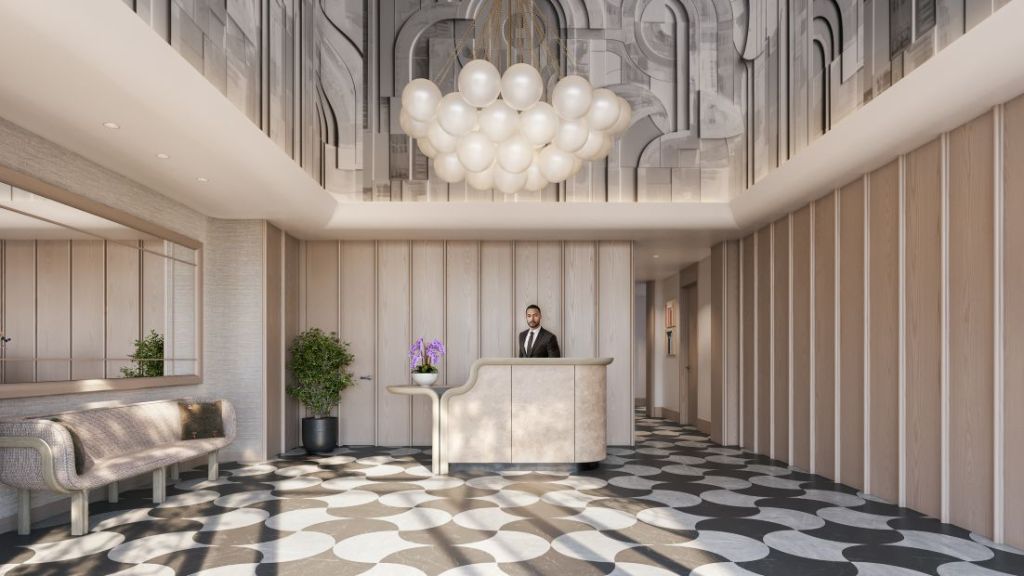
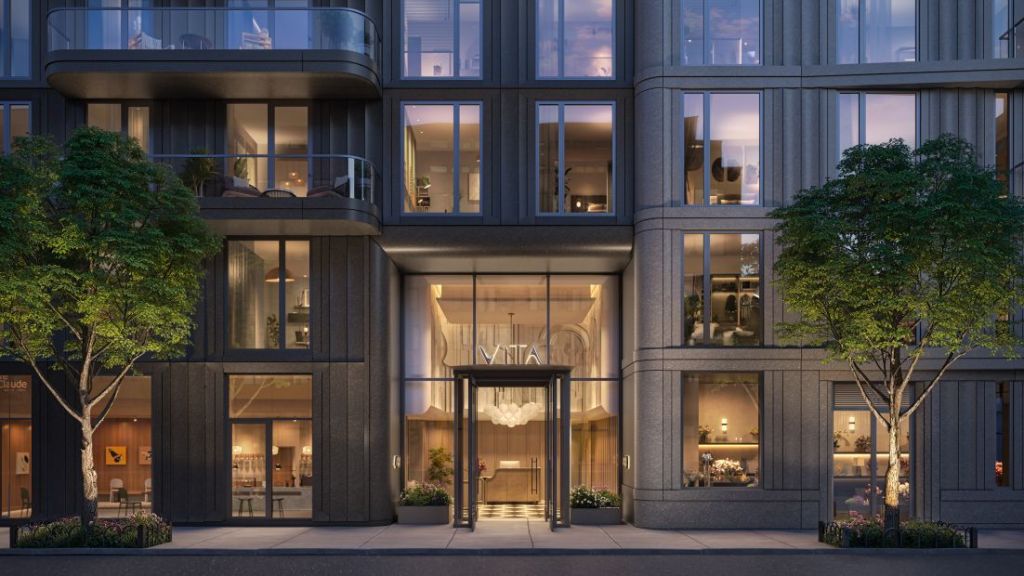
VITA features double-height lobbies, attended by a 24/7 concierge. All images courtesy of Williams New York 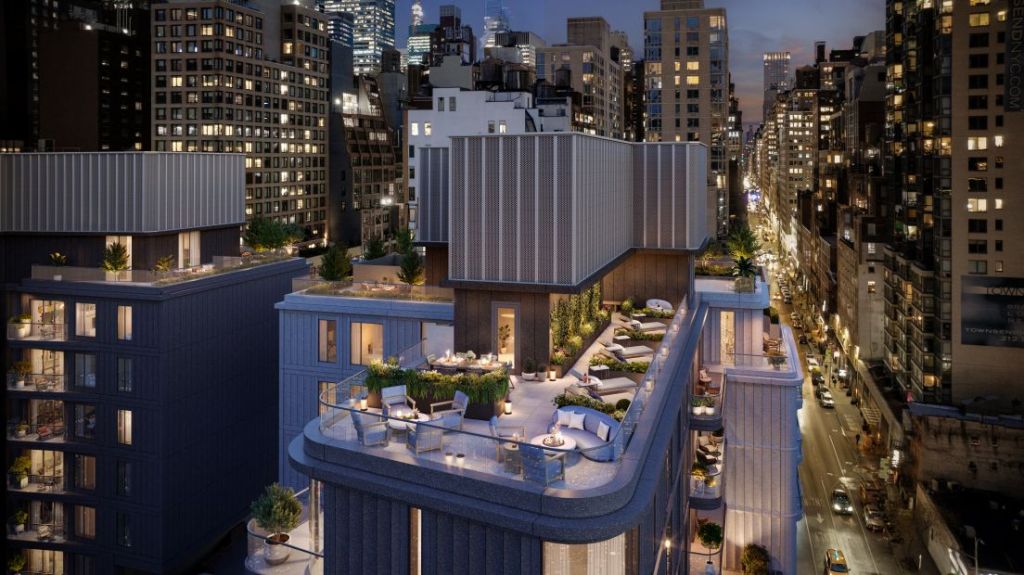
VITA has two rooftop terraces, River Park and Skyline Park. 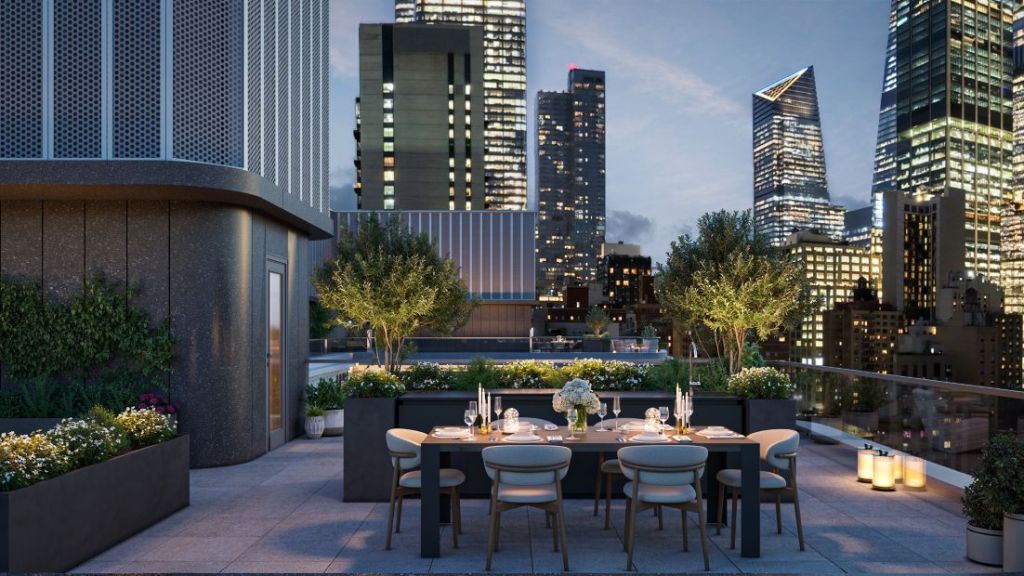
Both sky parks are equipped with outdoor kitchens, barbecue grills and dining lounge seating. 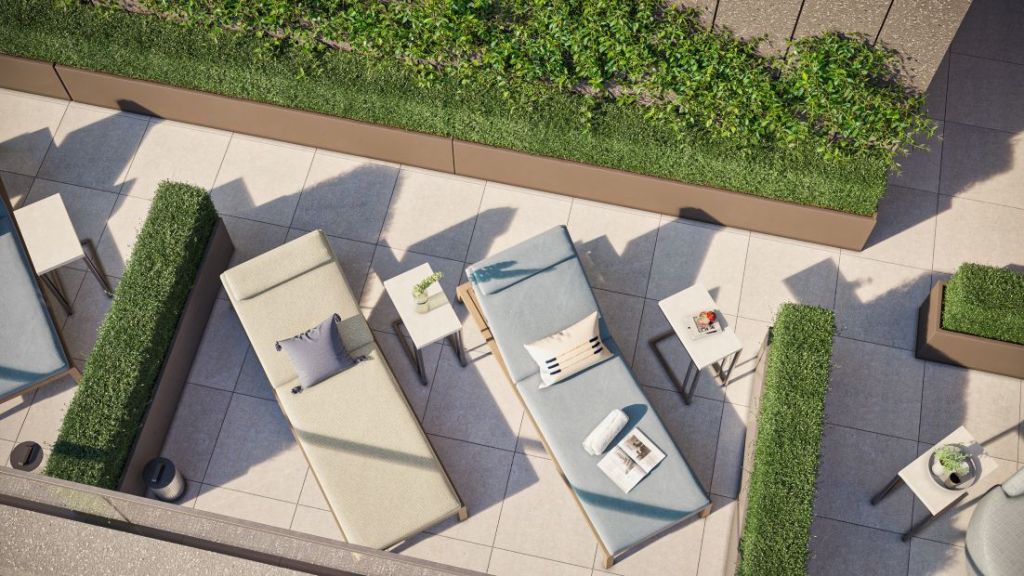
The rooftop spaces are also furnished with lounge seating and sun loungers. 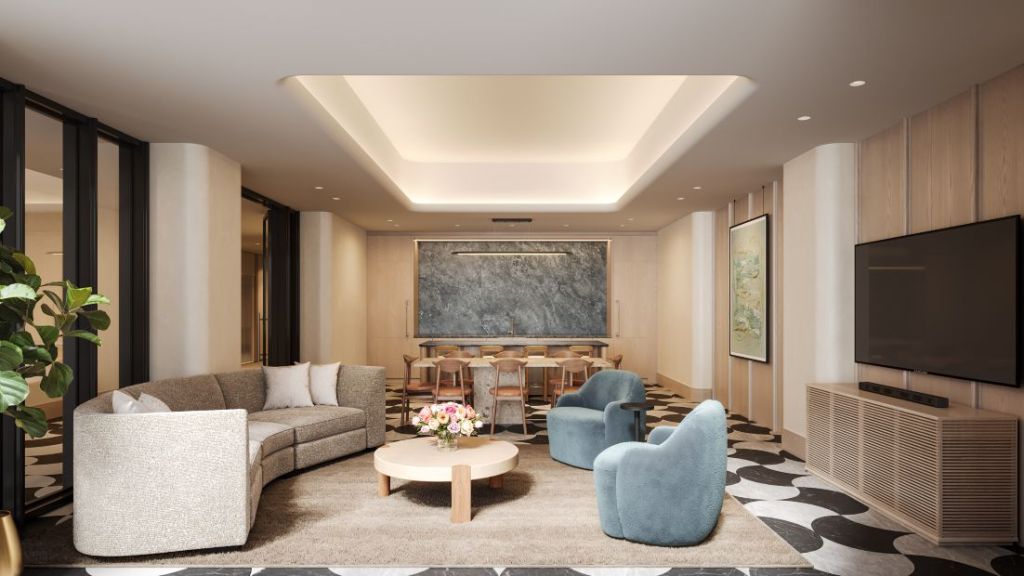
The lounge at VITA features a large screen media wall, social kitchen and a coworking area. 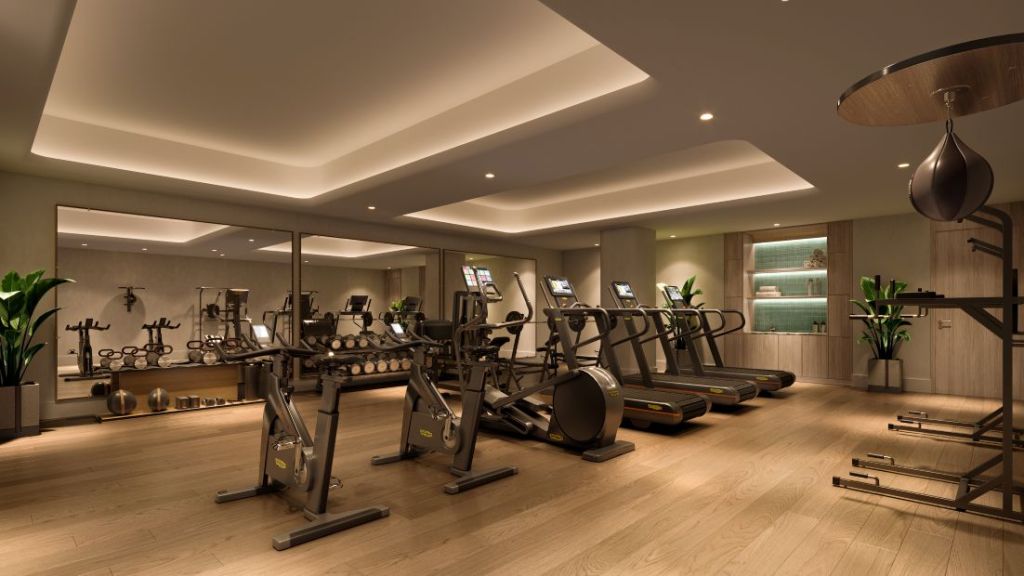
Residents can choose from two gym facilities, the Skylight Studio and Performance Lounge, both outfitted with Technogym equipment. 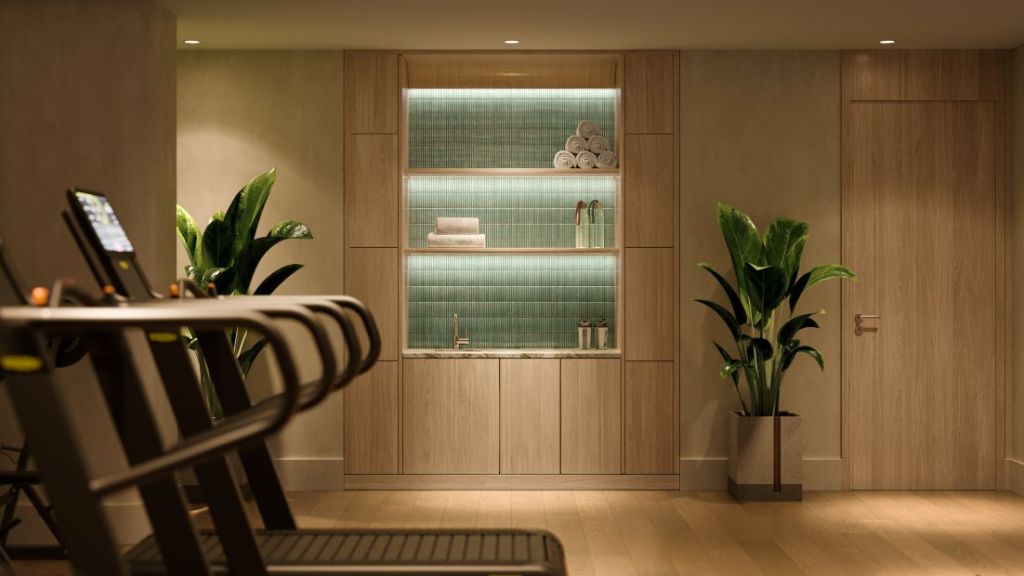
Fitness equipment includes dual adjustable pulley, free weights, interactive bike, multipower rack, rowing machine and smart treadmills.
A magnet for wellness-minded buyers
Buyers’ interest in Passive House benefits at VITA has been strong right out of the gate, more than anticipated, according to Wu. “They ask about air quality and environmental impact just as much as they ask about our Gaggenau package or marble floors,” she said.
According to John Gomes, co-founder of Eklund|Gomes Team at Douglas Elliman, the exclusive marketing and sales partner for VITA, multiple contracts have already been signed, several are in negotiations and, overall, activity is steadily increasing week after week. Sales for this condo project launched in May, with pricing starting at $1.3 million.
“What’s especially telling is that we’re seeing more traffic even as the broader market slows, and buyers are referring their friends who are also purchasing,” Gomes said.
Expectedly, VITA’s most compelling selling points are its eco-friendliness and energy efficiency. More people acknowledge climate change and adopt a lifestyle that feels more responsible and forward-thinking. Therefore, both points have proven to resonate strongly with buyers, as these are concepts that people can grasp fairly easily. But while Passive House benefits are highly sought after among interested buyers at VITA, the term itself seems isn’t so widely known.
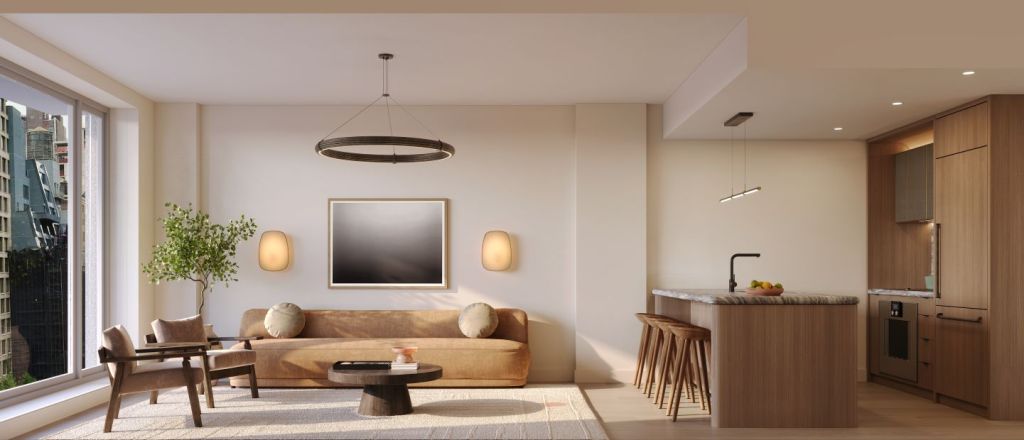
Oversized triple-glazed windows invite natural light while blocking noise from outside. All images courtesy of Williams New York 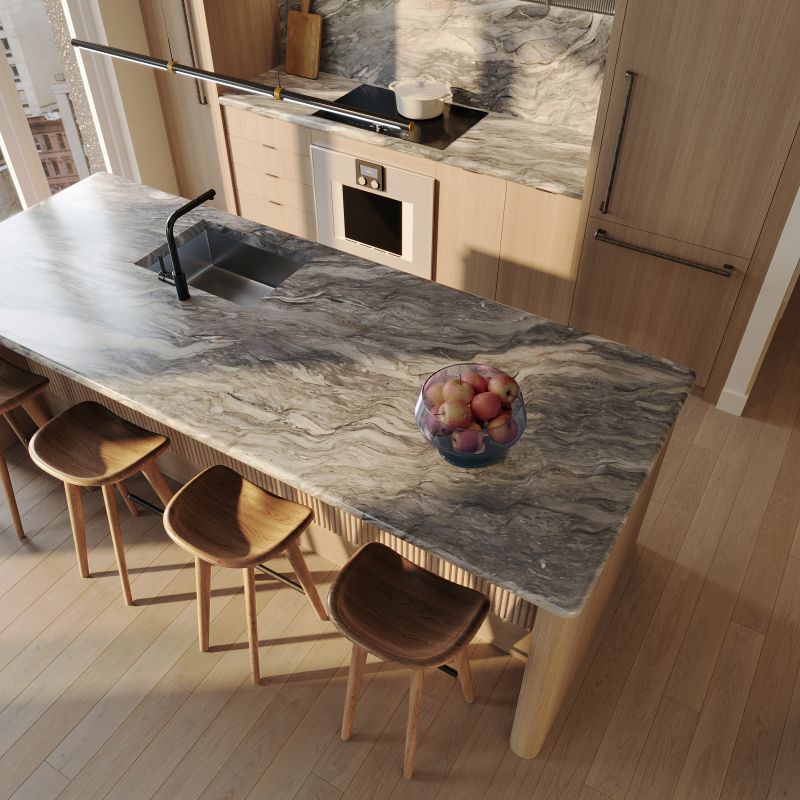
VITA’s kitchens are equipped with minimalist Gaggenau appliances that blend into Shinnoki custom cabinetry. 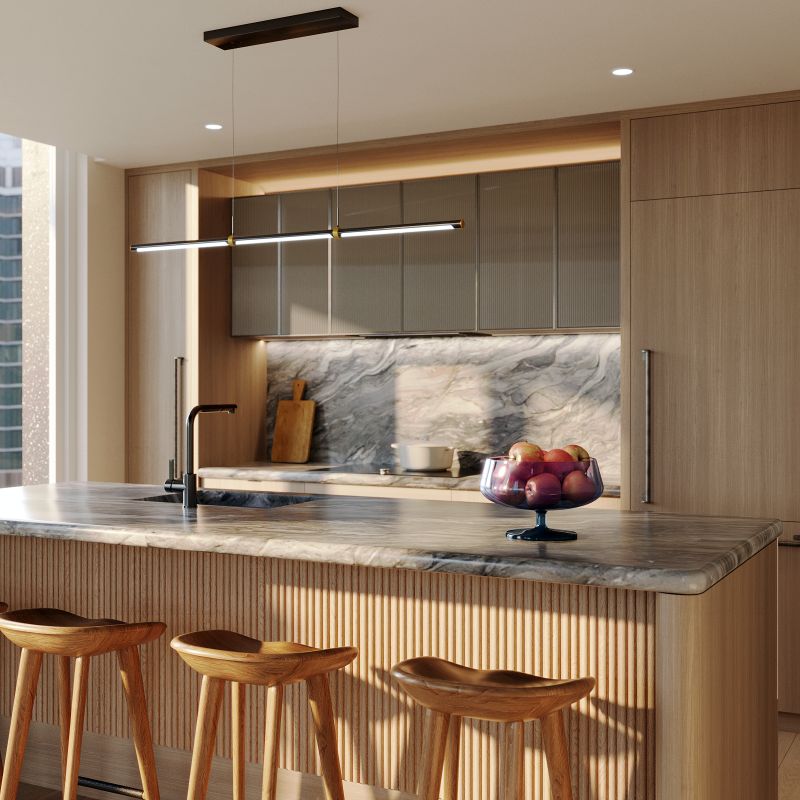
Milk oak drawers are equipped with soft close systems, while fluted glass upper cabinetry offers integrated storage. 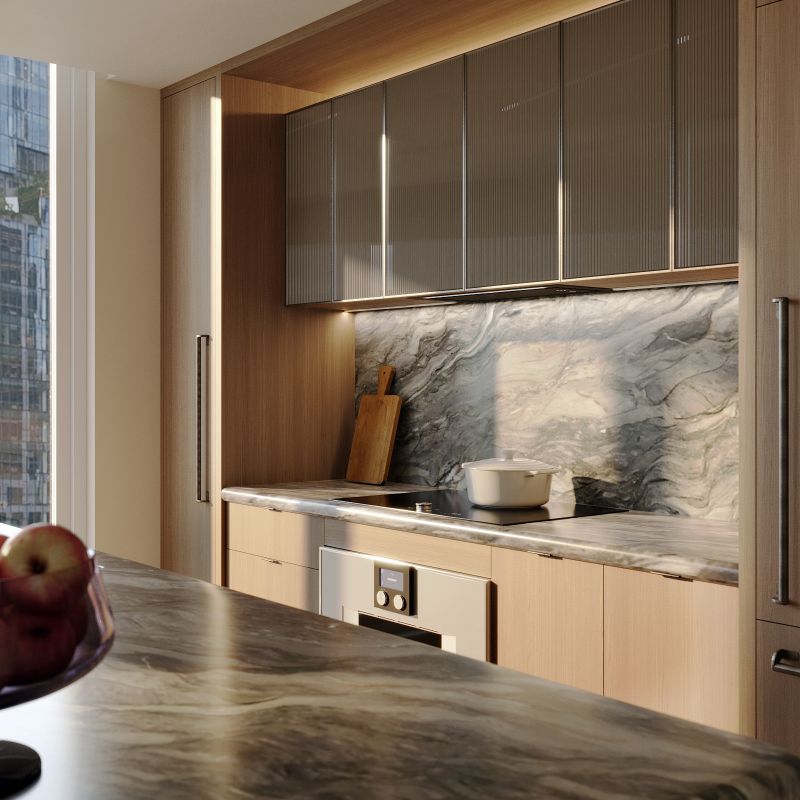
The countertops are made of scratch-free, stain-resistant and vividly-textured quartzite. 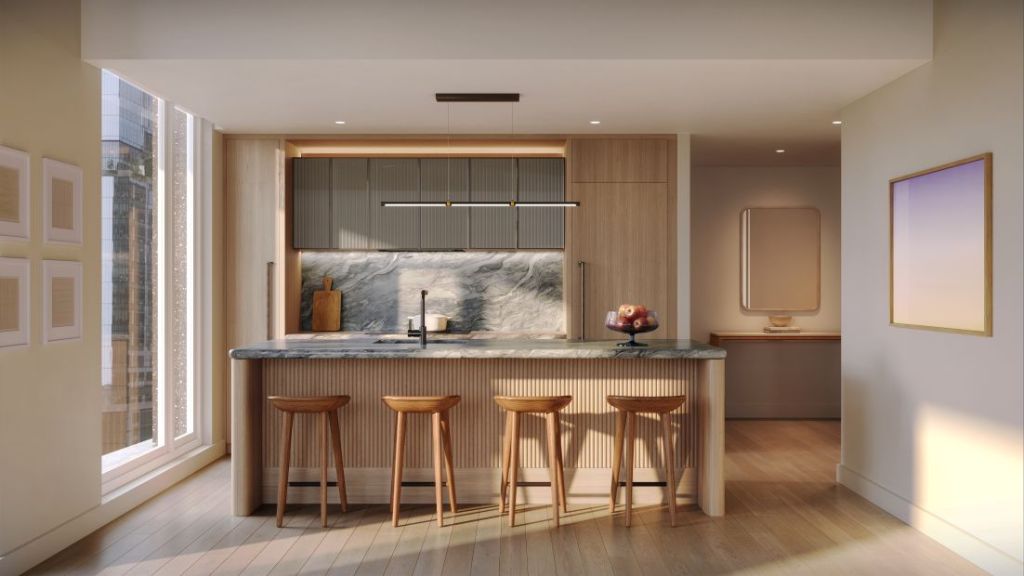
Select homes feature dual zone wine coolers. 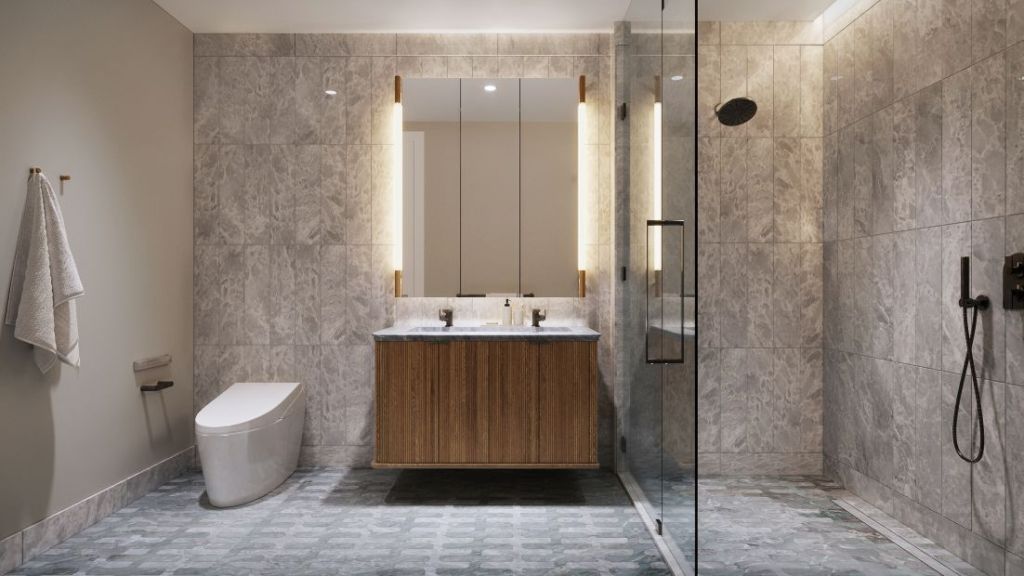
Primary bathrooms in VITA residences feature heated floors and a thermostatic memory shower clad in honed Grigio Trambierra marble mosaic flooring. 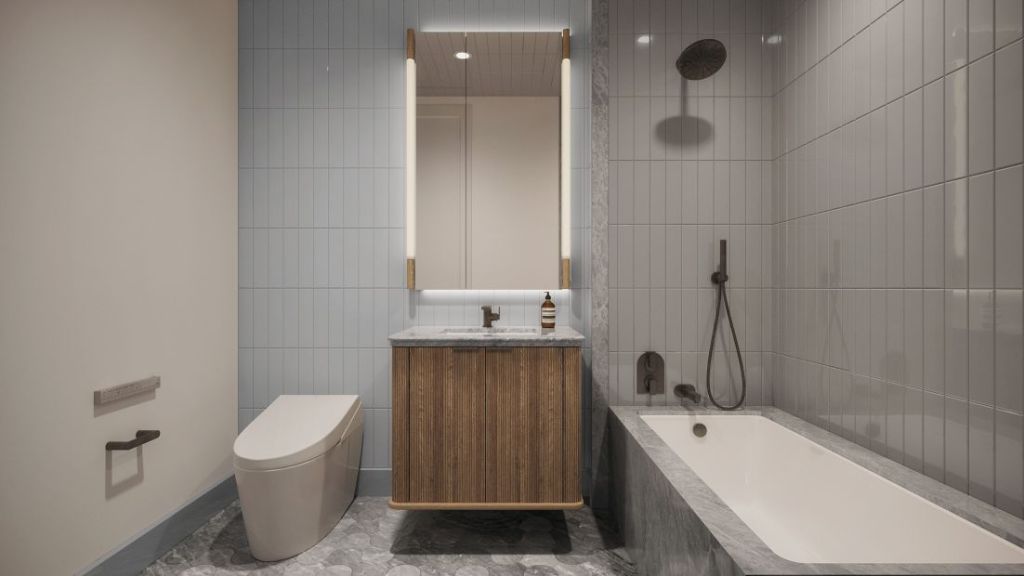
Secondary baths are finished with handmade ceramic wall tiles, Bardiglio Versilia marble floors and signature pewter fittings. 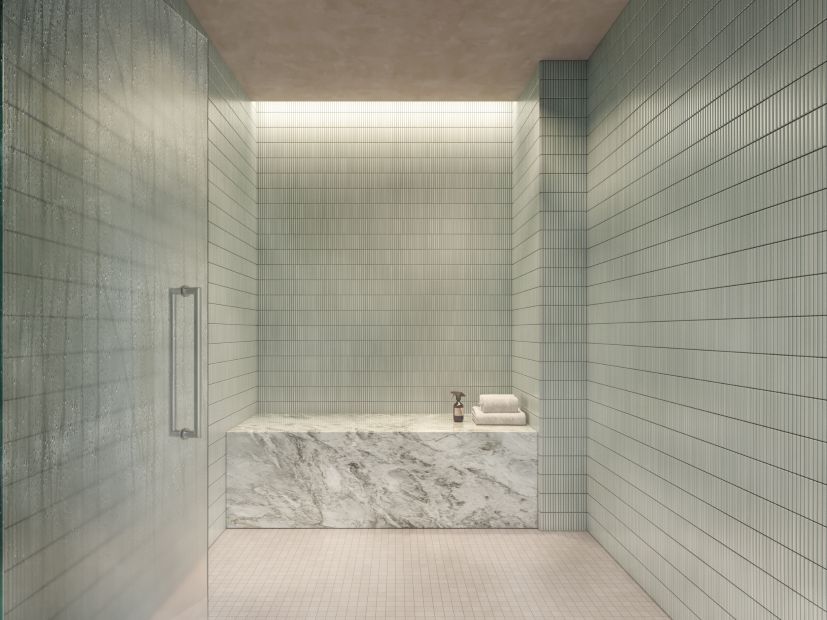
The Sanctuary Suite at VITA boasts a collection of spaces including a private experiential shower, the celestial tiled steam room, a cedar-lined sauna and a treatment room that can be reserved for practitioners.
“To be honest, most people don’t even know what a Passive House is,” Gomes disclosed. “It’s a term we’ve found that actually gets in the way because it’s more often misunderstood. People often come in with misconceptions or negative assumptions about what Passive House means, simply due to a lack of information.”
Therefore, the sales team decided to shift the language away from the label itself and instead focus on the benefits: eco-friendly, energy efficiency, healthier living and long-term savings. In other words, connecting the benefits of Passive House with the wallet is the most direct way to educate.
READ ALSO: Building the Case for Passive House Standards
“Actual cost savings is something that can be universally understood,” Gomes believes. “When you put this within the context of saving actual dollars every month in perpetuity, you see that the benefits of efficiency and this type of living last forever.”
People may not be thinking about Passive House benefits until they are mentioned, but once out there, the seed is planted. Awareness of such features within the living space triggers more questions among the buyers when they inquire about other projects. Ultimately, this reinforces the inherent value of VITA, as there are few similar offerings on the market.
Creators’ favorites
Wu is mesmerized by the nighttime view from the G-line two-bedroom. “Lincoln Tunnel flowing like a subterranean river, streetscape lined with classic brick buildings and Hudson Yards glass towers glittering behind. The coming together of elevations and generations, exactly what makes New York so unique,” she disclosed.
Zuidema has two elements that he is most fond of: the view from the curved windows looking down Ninth Avenue—”it always struck me for the unique vantage of the city grid it gives you”—and the double-height entry portal at each residential entry, as it captures the essence of the building.