A Healthy, Balanced Leasing Team
Are your humans and bots working optimally together?

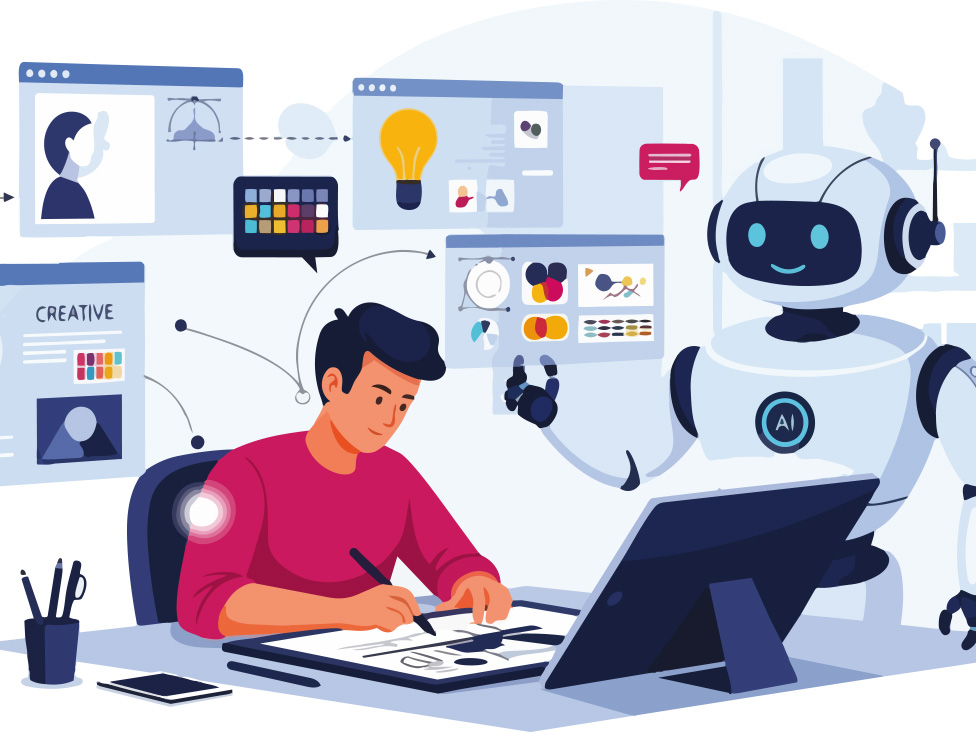
Do you have a healthy, balanced leasing team? Balanced between android and human, that is.
You read that right: As automation becomes increasingly humanoid in its ability to communicate, respond and address queries, it’s rapidly able to take on a wider range of tasks, freeing human leasing agents to meet with prospects and develop new strategies. They’re also not tied to their desks and their phones at all hours of the day and night.
That’s because a strong, well-trained bot can address many queries so seamlessly that prospects may not even realize they’re not talking to a person. It was certainly a surprise expressed by one woman when she arrived for a Towne Properties tour, Director of Marketing Anne Baum related to writer Denile Doyle during a recent Q&A discussion. And it’s allowed the company to capture a significant—and growing—number of leads in the off hours, when many prospects have more time to research housing opportunities.
Meanwhile, the humans can put their minds to things the bots can’t do, like the creative thinking Elegran | Forbes Global Properties’ Mick DiStasio told writer Jordana Rothberg his team likes to put toward identifying what stands out about their properties’ locations, the communities themselves or even individual units. That could be “a hot new restaurant in the area, a certain time of day the sunlight hits the apartment or knowing the neighbors are friendly,” he specified during her leasing roundtable “Closing Techniques From Multifamily Pros.”
Human agents can also focus on getting to know their prospects better so they can customize information as well as develop a personal rapport to make them feel like they’re selecting the right place. “I always try to find common bonds that I have with our prospects and residents,” Fogelman Properties’ Patrick Nankivell told Rothberg. “We all have more in common than what we realize.” (For more ideas on how to split tasks between human and android, read the latest from the MHN Executive Council, “When NOT to Use AI.”)
As bots grow more capable, the humans on the team can also play another role: mentor. Yes, to the bots. They need development, too, and not only from the technology provider. That means continuing to train them, such as identifying the queries they can’t answer and providing the missing information so they can respond better, as Baum notes. It also means adding to their tasks so they can help in implementation of your newest creative strategies.
They won’t appreciate the career development, but they’ll be better able to contribute to what your human team can offer.