Linc Launches OC Supportive Housing Project
The community was formerly a Motel 6.
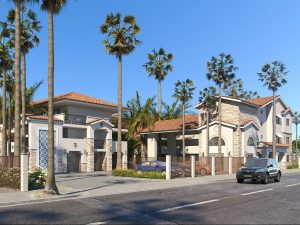
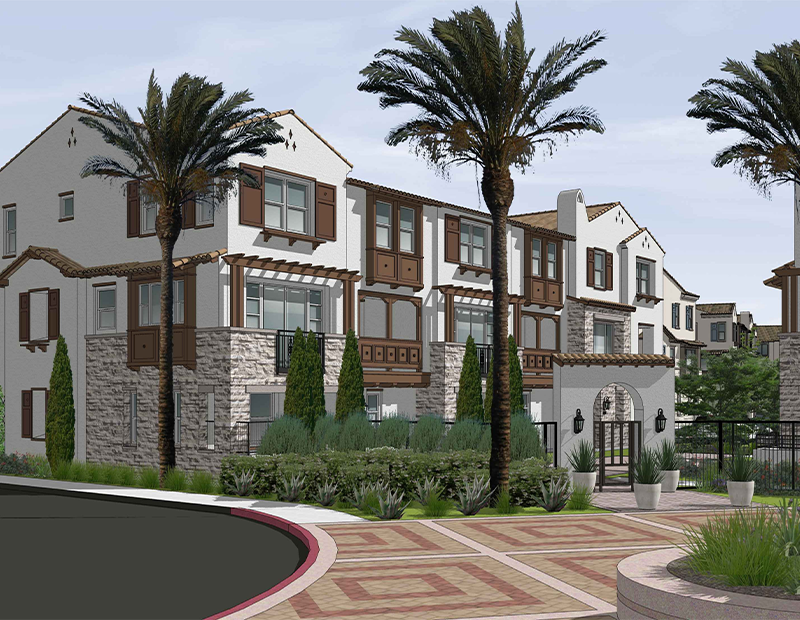
Linc Housing has broken ground on North Harbor Apartments, an 87-unit supportive housing community in Anaheim, Calif. The project represents the redevelopment of a Studio 6 Motel which had been transformed into interim housing in February 2023, and is now being converted to affordable housing.
Y&M Architects designed the project and Sun Country Builders serves as general contractor. Completion is scheduled for the summer of 2025.
The community will rise three stories and comprise studio and one-bedroom floorplans for households earning up to 30 percent of the area median income. The property is slated to also include two manager’s units, a community room, a dog park and a central courtyard.
Residents will also receive supportive services such as mental and physical health care, employment counseling and job placement, education, substance use counseling and money management, among others.
Financing sources for the development include:
- Homekey grant from the California Department of Housing and Community Development
- Grants and loans from the City of Anaheim
- Construction and permanent loans from Capital One
- Tax credit equity from Raymond James Tax Credit Funds Inc.
- Project-based voucher from The City of Anaheim Housing Authority
Located at 1251 N. Harbor Blvd., the property is off Riverside Freeway, less than 2 miles from the city center and roughly 25 miles from downtown Los Angeles. The community is also within walking distance of the AHMC Anaheim Regional Medical Center and the Fullerton Metrocenter shopping mall.
LINC Housing’s expansive affordable developments
North Harbor Apartments in one of LINC Housing’s four Homekey projects which total 393 affordable and supportive residences in Orange and Los Angeles Counties. The nonprofit developer currently has 2,100 apartments under construction, targeting $1 billion in real estate under development this year.
Recently, the company completed Equa, an 81-unit supportive housing community in Los Angeles County’s La Puente. The project was financed through tax credit equity from CVS Health and Raymond James Tax Credit Funds, as well as other sources.