Twin Cities Multifamily Report – May 2026
Rates and occupancy are solid in Minneapolis–St. Paul.
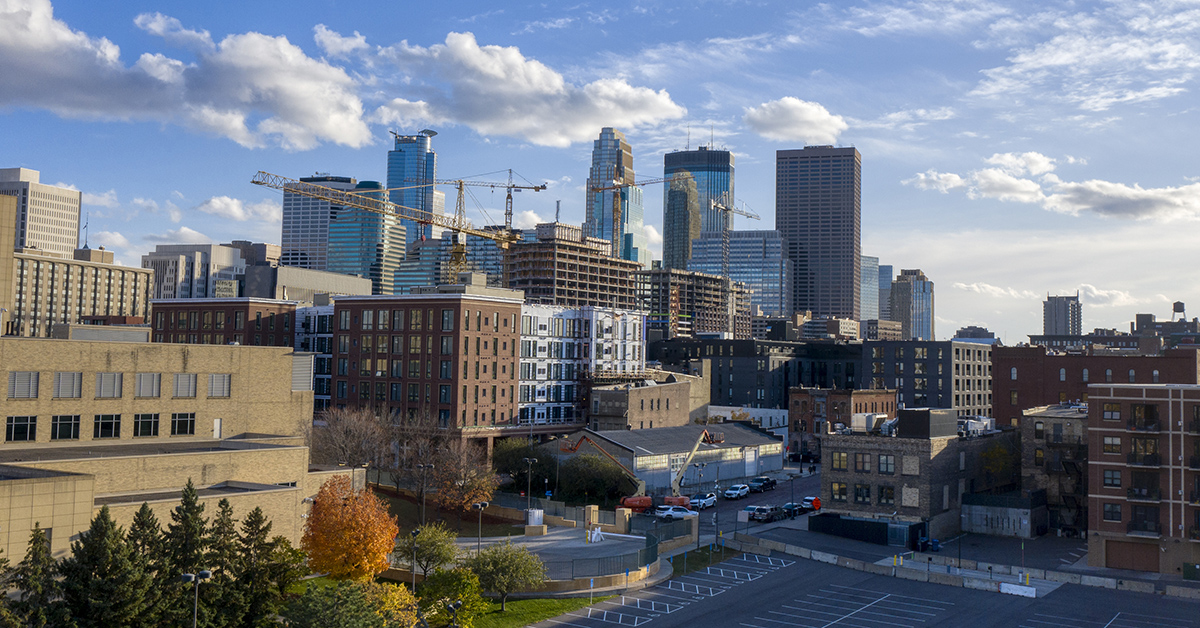
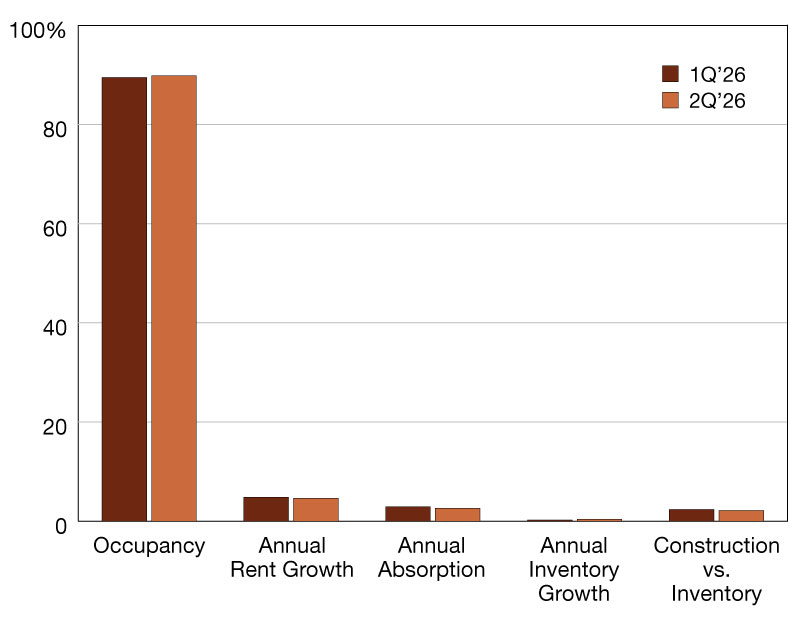
Twin Cities fundamentals remained healthy, with rent growth outpacing the U.S. and occupancy holding steady. Advertised asking rents rose 2.5 percent year-over-year, to $1,621 in March, well above the 0.1 percent U.S. increase to $1,750. As of March, Minneapolis–St. Paul ranked fourth for yearly rent growth among Yardi Matrix’s top 30 markets. Occupancy in stabilized assets saw a 10-basis-point downtick over 12 months, to 95.2 percent in February.
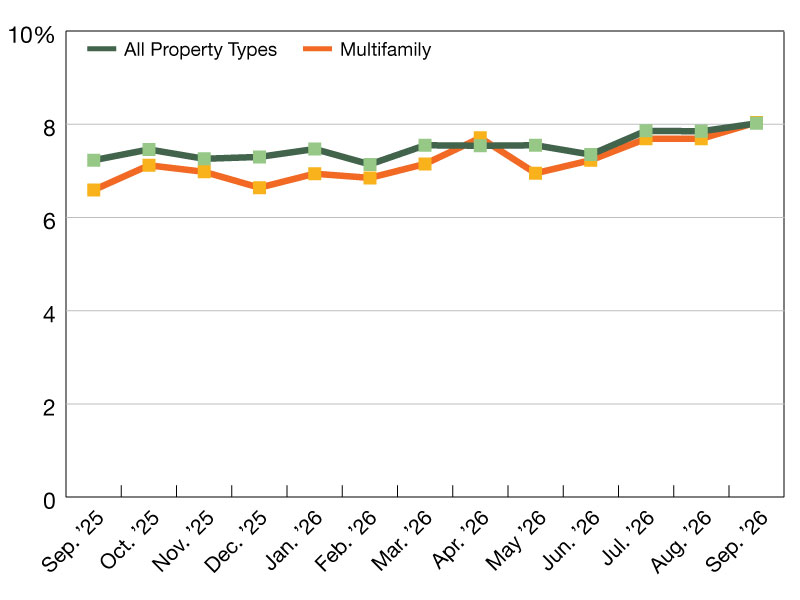
Employment growth decelerated to 0.7 percent through December 2025, but remained ahead of the 0.6 percent U.S. pace. Unemployment reached 4.8 percent in February, above Minnesota and Wisconsin, as well as the 4.4 percent U.S. average. The market added 10,600 net jobs in 2025, with gains across six sectors, led by education and health services and manufacturing. Four sectors contracted, including financial activities. Notable project advancements include Boston Scientific’s $131 million Maple Grove expansion, set to add 52,500 square feet and 440 jobs, and the 2025 addition of three METRO bus rapid transit lines, broadening regional access.
Deliveries totaled 729 units in the first quarter, while 5,964 units were underway as of March, with construction starts moderating. Meanwhile, multifamily sales reached $415 million in 2026 through March, but a value-add-heavy mix pushed the average price per unit down 29 percent year-to-date, to $136,815. That stood well below the $196,464 U.S. figure.