The Leste Group’s Great American Story
How a Brazilian family office expanded into a web of U.S. companies.

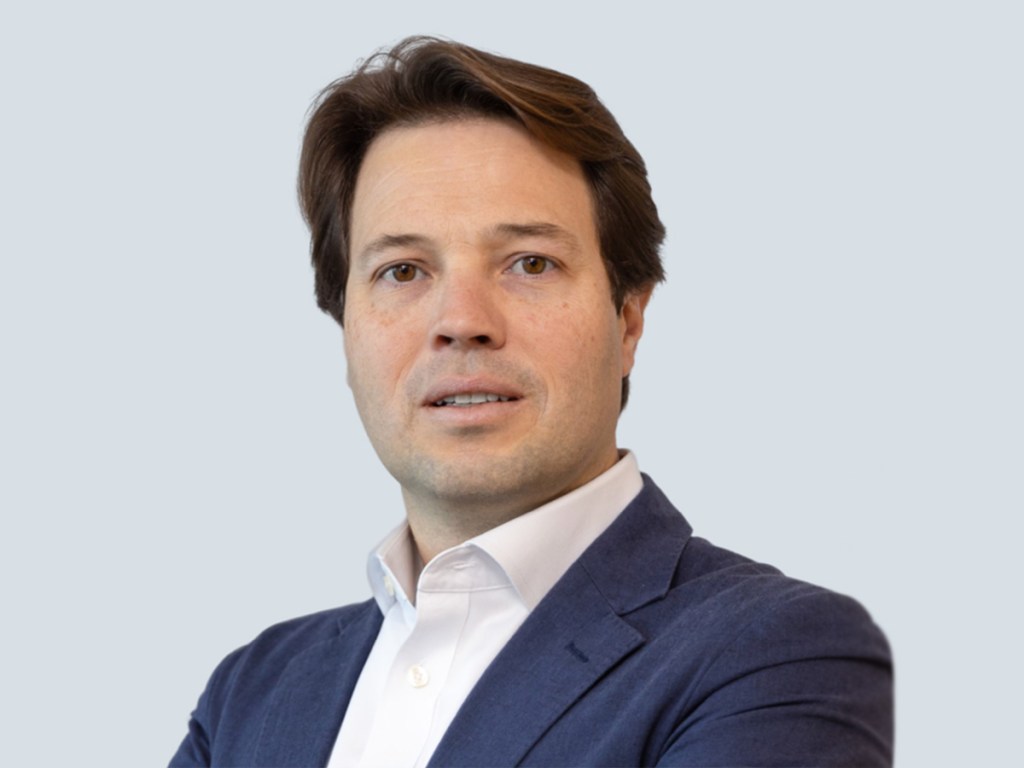
In 2015, Stephan de Sabrit had experienced enough of the violence, corruption, and political and economic turmoil in Brazil. He decided to leave his home country and bring his family, along with the capital from the family office founded by Emmanuel Hermann, to the U.S. That decision turned out to be personally and professionally fortuitous.
In a little more than a decade, the Leste Group has transitioned from a Brazilian-based investment firm focused on Latin America to a U.S. based company with a core real estate business of financing and developing multifamily buildings. Leste established their U.S. headquarters in Miami in 2015 and has expanded with an office in New York City.
“For our first two years or so after we opened our Miami office and formed Leste Credit and Leste Real Estate in the U.S., we worked solely with our proprietary capital,” said de Sabrit, managing partner of Leste. “We opened it to other families from Brazil. Then over the next few years we saw other countries going through political unrest, so families from Colombia and Chile began to invest with us.”
In the past decade, those investors from Latin America have been joined by American and global investors, including institutional parties attracted by the collaborative approach to real estate and alternative investments. Leste’s multifaceted strategy includes credit investments through Leste Net Lease Capital, equity investments in multifamily and other properties, and its LORE Development Group, which is currently focused on developing multifamily properties in Florida.
“Leste isn’t hunting for a domestic capital source for their developments like everybody else,” commented Scott Wadler, managing director of mortgage banking for Berkadia in Miami. “They can rely on ultra-high-net-worth investors from Latin America in addition to U.S. capital, which gives them a differentiated capital source, a differentiated investment horizon and a differentiated investment profile.”
In addition, Leste’s multifaceted approach to the multifamily sector supports its strategic decisions.
“Our various divisions give us the advantage of a completely different set of eyes and experiences that can cross-pollinate our strategies and understanding of various deals and markets,” said de Sabrit. “All our teams meet together weekly, and we have open seating for easy collaboration.”
Evolving credit strategy
Leste has been an active lender in the U.S. since they entered the market in 2015, said Ricardo Gennari, the firm’s managing director overseeing multifamily lending. Gennari, who worked in real estate development as a civil engineer in Brazil before earning an MBA from Cornell University, joined the company four years ago. He was eager to get into real estate finance and particularly into lending because of its “more entrepreneurial opportunities and more dynamic dealmaking.”

“As we’ve developed more relationships over the past decade, our strategy has evolved and we’ve broadened our geographical scope,” he shared. “We target deals between $20 million and $30 million from a senior lender perspective, so the total deal size would be $30 million to $40 million. If we go above that, we’re competing against the mega funds.”
Typically, these deals are for Class B assets, including garden apartments and workforce housing, which typically have good occupancy rates, he said.
“Traditional bridge loans or acquisition loans with a 75 percent LTV are the bread and butter of multifamily commercial lending for us,” Gennari said. “Our investor pool expanded over the past few years to include institutional investors, insurance companies, endowments, money managers and RIAs.”
In 2020, Leste bought a platform for their own originations that they eventually sold to a U.S. company with $1 trillion in assets under management, according to de Sabrit.
“We’ve taken a hands-on approach, finding niches within the private financing market,” he said.
“Structuring asset management is important to attract institutional investors, and we know it starts with good origination.”
Leste’s goal is to move from approximately $125 million in multifamily originations in 2025 to $1 billion annually within the next 12 to 24 months, according to Gennari.
In 2024, Leste launched LNL Capital, a triple-net-lease origination platform with over $1 billion in assets under management. It has also attracted institutional capital.
“We’ve done it before, when we scaled our triple-net-lease originations to $1 billion within two years, so we have a roadmap to do this,” he said with a confident grin.
From hands-off to hands-on asset management
In 2017, Leste launched the first round of their multifamily equity fund, which focused on investments with a value-add opportunity, according to Leticia Zanotti, head of asset management, real estate equity, for Leste. Zanotti, also a former civil engineer, joined Leste three years ago after working for development firms in Brazil and California.
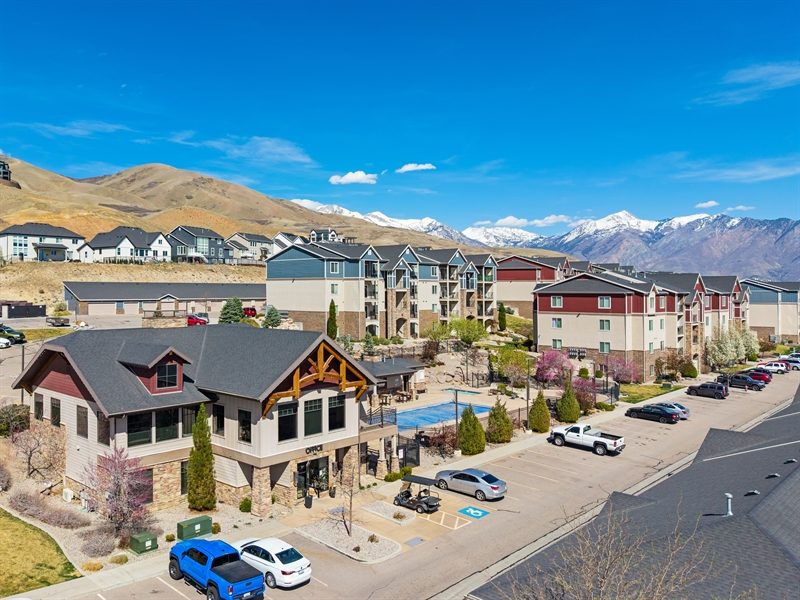
“We are in the Sun Belt market in Texas, Florida and the Carolinas because of their job growth, in-migration population growth and business-friendly environment,” Zanotti said.

Leste started with co-investments as a limited partner in other deals to learn the business, according to de Sabrit. Gradually, the firm made bigger investments, particularly in Texas and the Carolinas.
“There were plenty of tailwinds then with low interest rates and good growth in markets like Tampa, Fla., Atlanta and Charlotte, N.C.,” he added. “Then the interest rate spike put a lot of people underwater, so we stepped in to become GPs instead of LPs. Instead of following our passive format, we went to a team overseeing more than 5,000 units. That was like a Ph.D. in crisis management.”
That experience led Leste to enhance its in-house asset management team and acquire more of its own projects, typically with a value-add component, Zanotti said.
“Now we believe price resets are almost finished and that valuations are stabilizing,” she added. “The supply pipelines are better now than they have been for the last couple of years, with fewer new buildings coming online.”
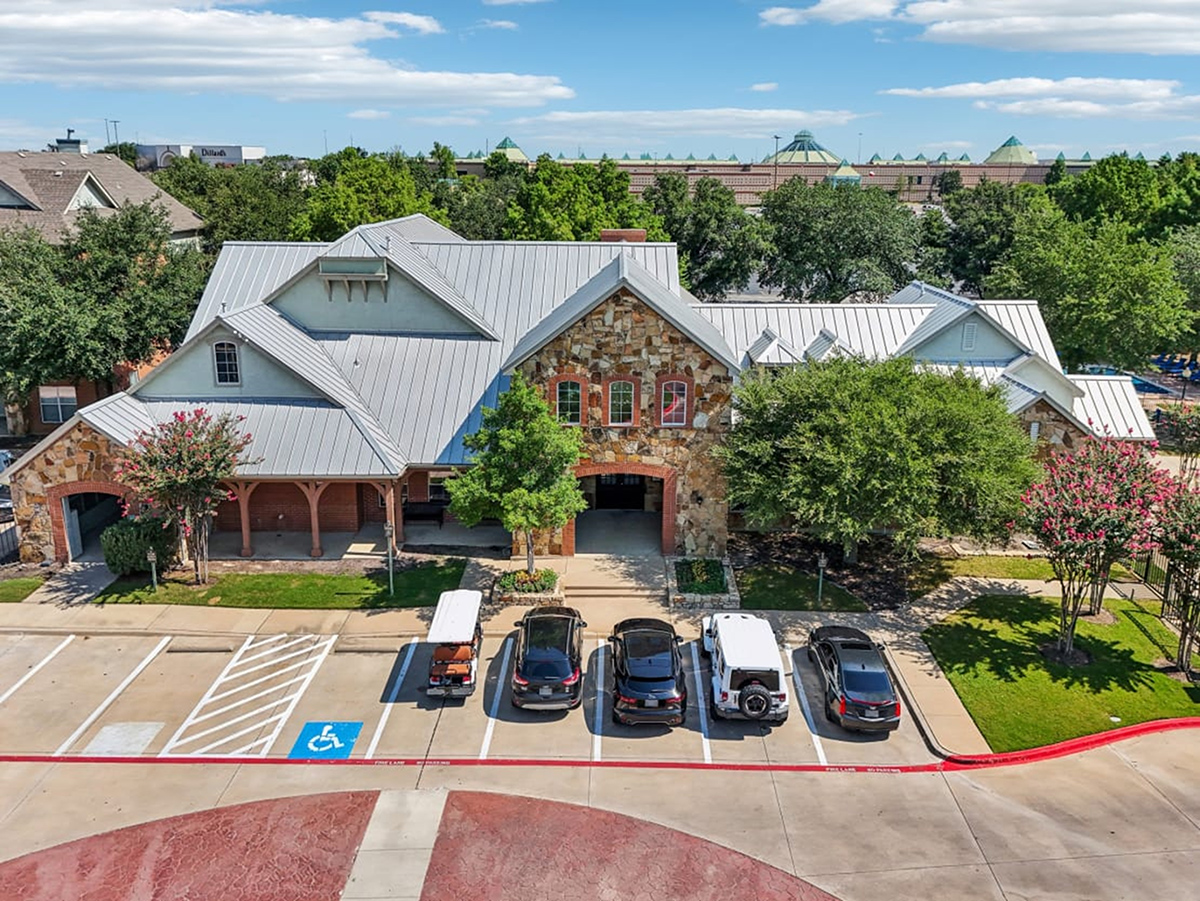
Typically, Leste looks for properties built in the early 2000s where it can capture rent growth with renovations or assets valued below replacement costs, Zanotti explained.
“We’re investing in markets where the biggest wave of supply is behind us and that continue to have good job growth. When we’re underwriting something, we can look to our development team or credit team to get different perspectives on the market and the property.”
Leste, de Sabrit reported, invests in markets with strong fundamentals that have been overlooked, such as Columbus, Ohio.
Translating experience into multifamily development
After years as a lender, equity partner and asset manager, the firm decided it was time to put its expertise to work on the development side, primarily in Miami.
“We connected with Opportunity, one of the largest developers in Brazil, and formed LORE Development in 2022,” de Sabrit said. “Now we’re in the process of developing several multifamily buildings in the Miami area.”
Miami is a natural market for this new venture because Leste is very familiar with it and has deep relationships there, shared Jorge Rucas, managing director of real estate development at LORE. Rucas moved to Miami in 2022 with his wife and two children for the international experience, then joined Leste in 2023.

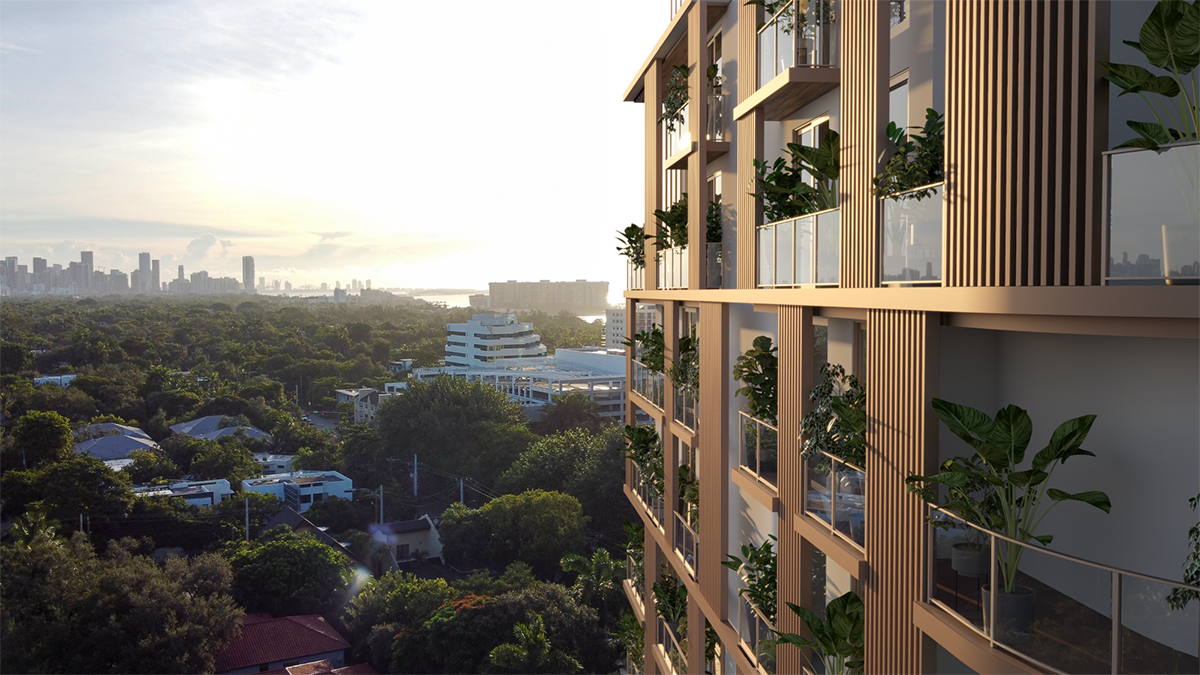
More than one-third (35 percent) of the 28 condo units at one of its preconstruction projects there, Lincoln at Coconut Grove, are already sold.
“Leste has a great reputation but not yet for ground-up development, so we wanted to start establishing our track record with this luxury condo,” Rucas said. “We put in complete amenities such as a rooftop pool with private cabanas, a gym with cold and hot plunge pools and a dog park. Plus, this is an amazing location.”
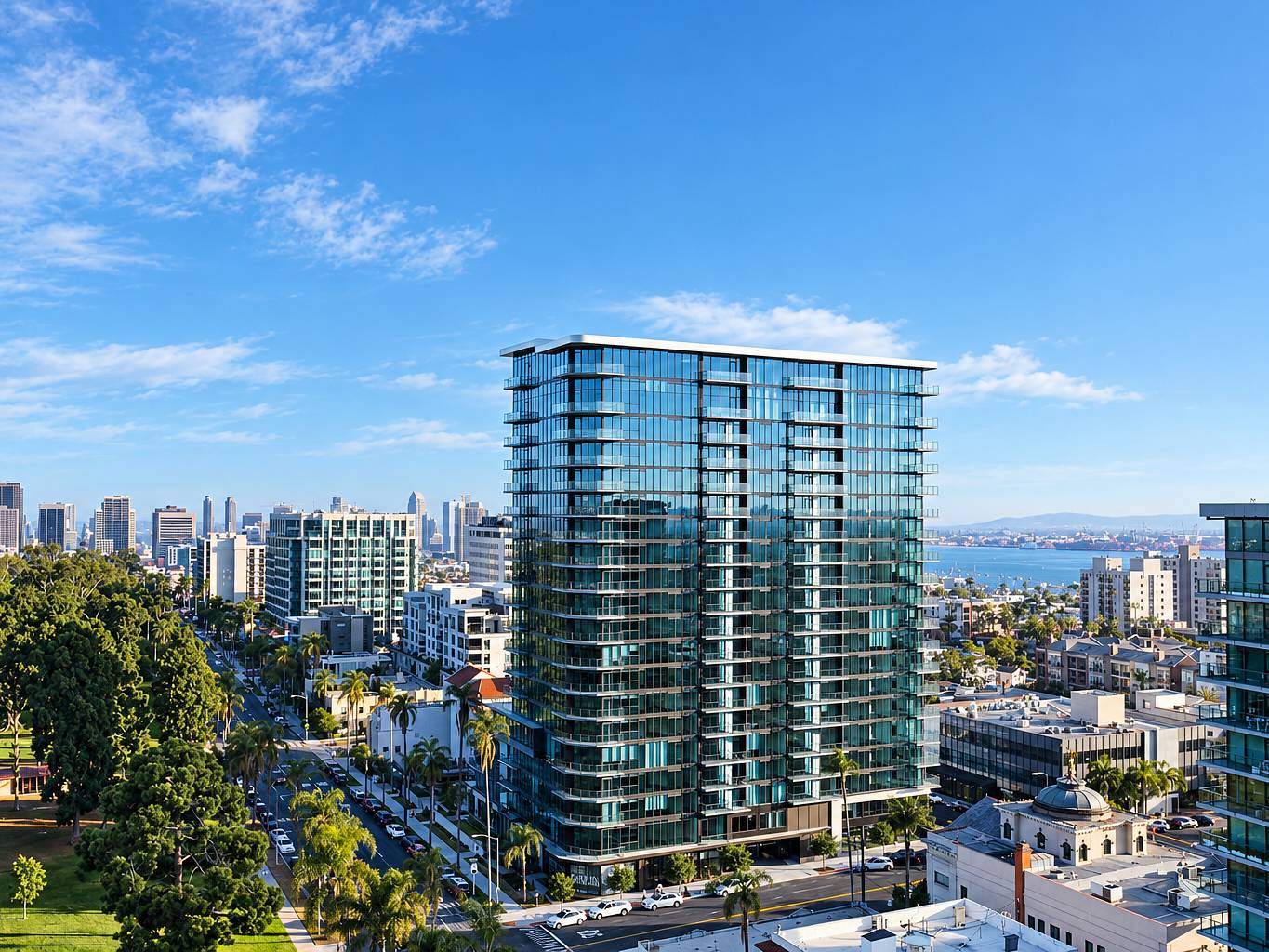
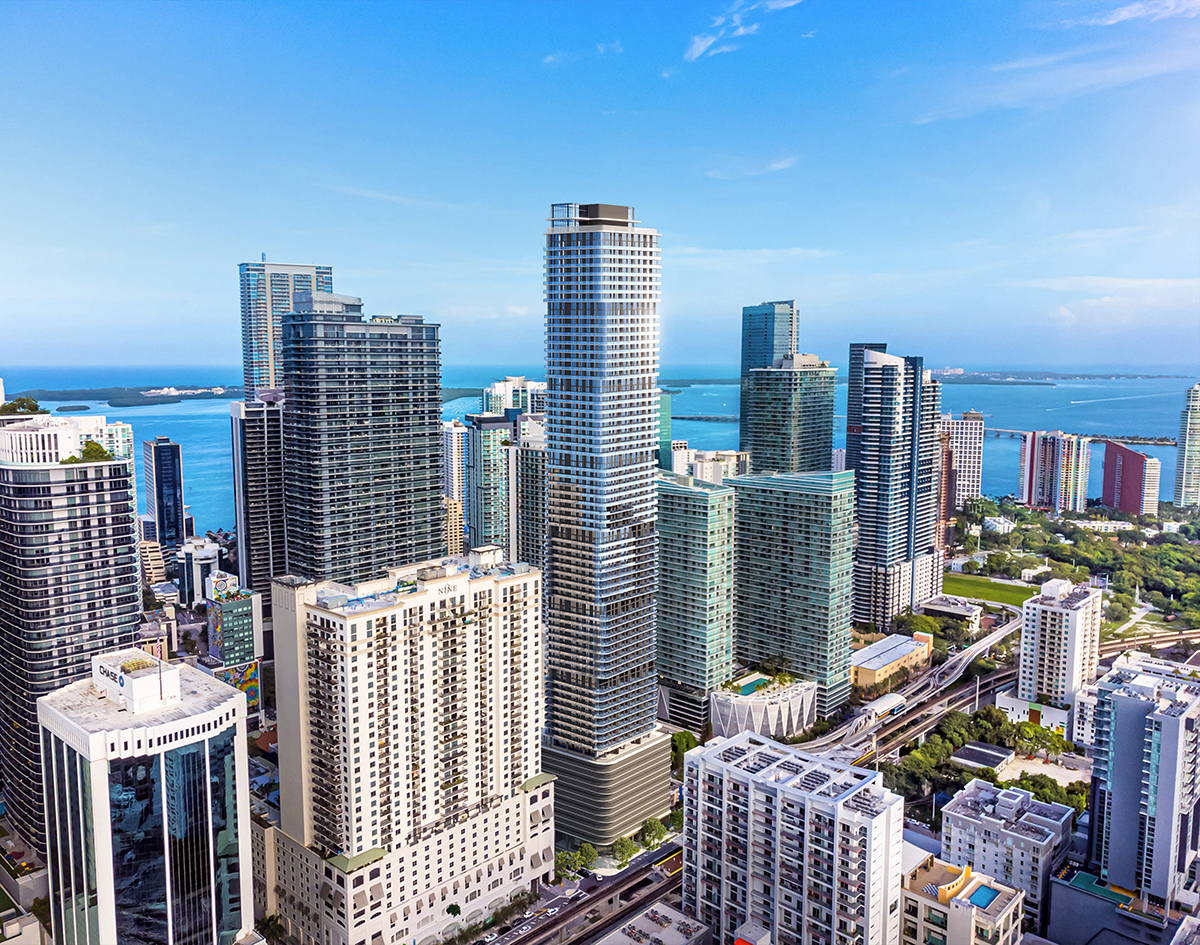
Leste is also developing The Summit at Brickell, a 505-unit high-rise rental property, with construction expected to begin in the second or third quarter of 2026.
“We think this is the sweet spot for a rental community: close to offices, public transit and retail,” Rucas said enthusiastically. “We’ve got another 400-unit multifamily building planned for North Miami, which has a strong market, too.”
He estimates Leste has several hundred million invested across these projects, primarily from its own capital. As with other divisions of the company, Rucas said it helps to have plenty of decision-making expertise from the firm’s equity and credit teams.
“We’ve got strong comps for these projects that provide the proof of concept that demand is there,” Rucas reported. “Assembling the land for these projects is challenging, but we’ve succeeded with the combination of a little luck and investors and shareholders with skin in the game. It helps that Leste has been here for a decade and that we come from a background of raising capital.”
Rucas is optimistic about developments in Miami—as long as LORE finds the right site, the right capitalization, the right team and the right project.
Leste’s ability to take a long-term perspective given its deep bench of capital partners is one of their greatest strengths, Wadler noted.
“We’re a local player in the U.S. with a strong foothold in Latin American markets, so companies see us as a gateway into U.S. markets because of our capital, expertise and creative structure,”
de Sabrit acknowledged.