
Multifamily (Matrix)
Rental Demand Eclipses Supply in San Diego
Demand for apartments is rising in the city, where employment and population gains—along with a high barrier to homeownership—sustain rent growth.
Demand Keeps Up With Surging Supply in Tampa
A tax-friendly environment and a high quality of life continue to attract new residents and businesses to the metro, maintaining multifamily rent growth above the U.S. average.

Twin Cities Occupancy Rates Remain Sky-High
Favorable demographic and employment trends sustain strong multifamily demand across the metro, where rent growth continues to outperform the national average.

Limited Deliveries Prop Up Inland Empire Rent Growth
The industrial sector continues to drive development in the area, bolstering demand for multifamily properties.
Kansas City Poised for More Growth
Solid job gains draw a consistent number of young professionals looking for well-positioned rental units in the metro.
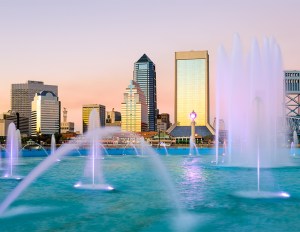
First Coast Fires On All Cylinders in Jacksonville
Development activity is at a high point in the metro, with more than 2,300 apartments scheduled to come online by year’s end.
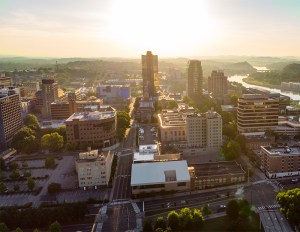
Knoxville Finds a Second Wind
With rents bouncing back to a 4.1 percent year-over-year growth rate as of August, the metro’s multifamily market is in the midst of a resurgence.

Demand, Supply Strike a Balance in Washington, D.C.
The metro’s growing multifamily market is backed by strong population gains and steady economic expansion.
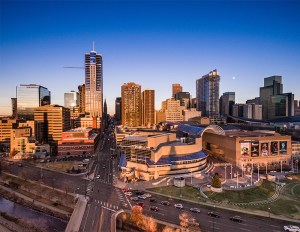
Challenging the Limits of Demand in Denver?
Despite a surge in multifamily deliveries, occupancy in the metro’s stabilized assets has risen this year to 95.3 percent on average.

Mega-Developments Abound in Philadelphia
Despite a multifamily supply surge in recent years, occupancy in stabilized properties saw only a modest decline of 30 basis points year-over-year in July.