

Multifamily (Matrix)

Chicago Multifamily Report – Fall 2019
The overall demand for multifamily housing is strong, but the market’s performance is bifurcated.

Austin Multifamily Report – Fall 2019
The metro’s strong economic performance and demographic expansion are the main drivers of the multifamily market’s sustained growth.
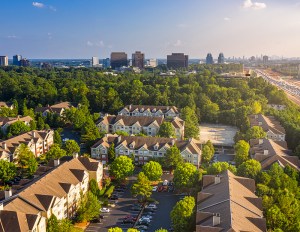
Atlanta Multifamily Report – Fall 2019
Atlanta’s business-friendly climate and relatively low cost of living continue to lure companies and residents alike.

Inland Empire Multifamily Report – Fall 2019
The Inland Empire’s affordability advantage compared to other SoCal metros is drawing in new residents, expanding the local labor market and driving up demand for multifamily product.

Las Vegas Multifamily Report – Fall 2019
The metro’s steadily diversifying economy is resulting in positives for its multifamily market, as well.

Queens Multifamily Report – Fall 2019
Unrestrained by this summer’s new statewide regulations, rents in the New York City borough rose sharply over the past two quarters.

San Jose Multifamily Report – Fall 2019
San Jose’s thriving tech sector is keeping Silicon Valley in the ranks of the country’s fastest-growing regions.

Philadelphia Multifamily Report – Fall 2019
Rents in the metro rose 3.7 percent year-over-year through August, outpacing the 3.3 percent U.S. rate.

Manhattan Multifamily Report – Fall 2019
The borough’s year-over-year rent growth of 3.5 percent as of August surpassed the U.S. figure for the first time in many years.

Charlotte Multifamily Report – Fall 2019
Backed by population and employment growth, rental demand and the development pipeline both continue to be robust.