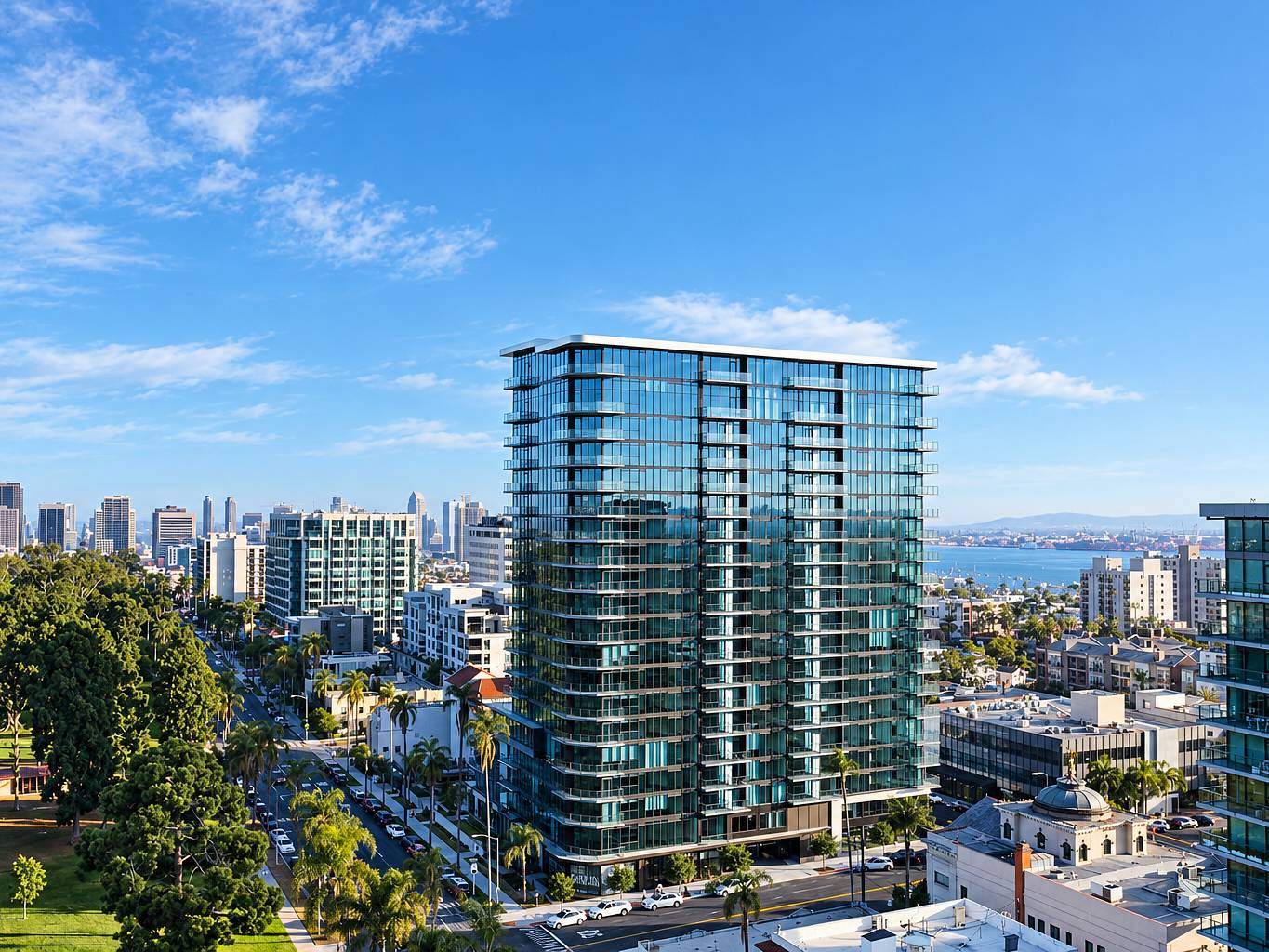
LCOR Tops Out Philadelphia Luxury Tower
The project’s construction is subject to a $90 million loan provided by Webster Bank.

The Ryland. Image courtesy of LCOR
LCOR has topped out construction of The Ryland, a 31-story, 267-unit luxury apartment building located at 1 Dock St. in Philadelphia. Hunter Roberts Construction Group is overseeing the development, which broke ground in 2021 and is expected to be completed in the fourth quarter of 2023. The project’s construction is subject to a $90 million loan provided by Webster Bank, according to CommercialEdge information. Apartments will be available for lease in the third quarter of 2023.
The Ryland will offer a mix of studio, one and two-bedroom arrangements, in addition to two- and three-bedroom penthouses featuring luxury finishes and private outdoor space. Residents will have access to a swimming pool, a rooftop deck with lounge, a fitness center, concierge services and private parking. Located in Philadelphia’s Society Hill neighborhood along the Delaware River, the community is within 3 miles of many of the city’s historic attractions and museums, in addition to its retail, dining and entertainment offerings. Residents will also have easy access to Philadelphia’s SEPTA public transportation system.
The Ryland marks LCOR’s third project in Philadelphia. The firm has remained an active developer and investor throughout the Northeast and Mid-Atlantic, having recently acquired Valley and Bloom, a 258-unit mixed-use community in Montclair, N.J., in an $87.1 million joint venture.
Philadelphia’s upscale upswing
Philadelphia’s multifamily market has continued to post strong fundamentals, even in the face of ongoing economic strife. The city’s employment rate, construction pipeline and transaction volume are all seeing an upswing from last year, with occupancy rates holding steady. According to data from an August 2022 Yardi Matrix report, the city saw $1.2 billion in transactions as of June and had 14,891 units under construction, 75 percent of which were in upscale developments. The overall occupancy rate slid by 20 basis points year-over-year, in part due to the city’s urban center gaining priority among renters and a moderate flight from the suburbs.