Fed Cuts Rates for 2nd Consecutive Time
The latest decision could positively impact multifamily if it leads to further rate cuts in the near future.
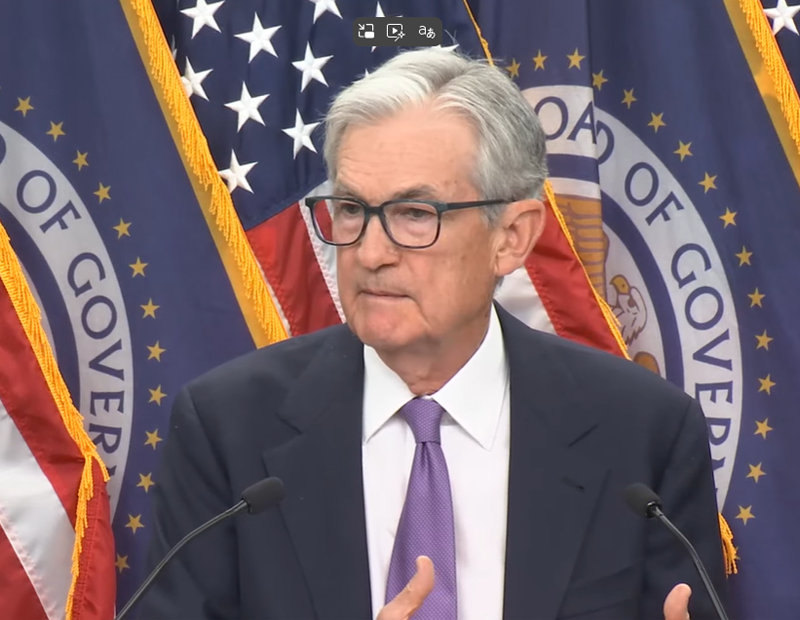
The Federal Reserve Open Markets Committee has lowered interest rates by 25 basis points for the second time in a row. The baseline rate now sits at 3.75 to 4 percent, the lowest it has been in three years.
The move was widely expected due to the softening labor market, but lingering inflation also remains a challenge for the Fed. According to data from payroll company ADP, the U.S. private sector lost 32,000 jobs in September. Meanwhile, the latest Consumer Price Index reported that the annual rate of inflation rose to 3 percent, stubbornly above the Fed’s usual 2 percent target.
“There is no risk-free path for policy as we navigate this tension between our employment and inflation goals,” Federal Reserve Chair Jerome Powell said at a press conference following the committee’s meeting.
READ ALSO: When Washington Closes, Housing Feels It
While financial markets are also expecting a rate cut in December, according to the CME FedWatch tool, Powell cautioned that another cut is not a “foregone conclusion.”
With the federal government shut down, some government data, such as the Bureau of Labor Statistics jobs report, is delayed. While some worry that a continuing government shutdown could potentially obscure data the Fed needs to make its decisions, Allan Swaringen, managing director at LaSalle Investment Management and president & CEO of JLL Income Property Trust, told Multi-Housing News that he did not expect the shutdown to create major issues for the decision-makers.
“I actually think the loss of some of the data coming out of the government is probably less impactful on the Fed and more impactful on the broader economy, oddly enough,” Swaringen said, “because I just think the Fed has a lot of sources of data that they rely on.”
What the cut means for multifamily
The fact that the Fed has decided again to cut rates is likely to be a boost for multifamily, according to Marcia Kaufman, CEO of Bayport Funding.
“Interest rates go up very quickly but come down very slowly,” Kaufman noted. “This will be the second rate cut, and I think that will lead to a lot more confidence in that sector.”
Swaringen said that lower rates can lead to increased buying and selling, along with better returns for investors. “Affordable debt is truly the grease for the gears that keep real estate transaction activity moving forward,” Swaringen said.
Ryan Severino, chief economist & head of U.S. research for BGO, said that while a 25-basis-point cut on its own might not have a major impact on commercial and multifamily real estate, continuing cuts could add up to more benefits.
“That starts to impact the entire yield curve, cost of capital for commercial real estate and pricing,” said Severino, “and if the Fed keeps signaling more rate cuts are ahead, then all of those things should benefit further.”