

Research Center

Employment Gains Spur Growth in Philadelphia
An evolving wage structure, influx of young professionals and boom in hospitality and development are helping the city’s multifamily market keep its head above water.

All Eyes on Core in Cleveland
The city’s market is growing slowly, particularly in submarkets outside the urban core that still face difficulties stemming from the last downturn.

Robust Development, Insatiable Demand in Seattle
The city has been one of the strongest rental markets during the current cycle. Over the last five years, average rents have risen nearly $500 to $1,770.
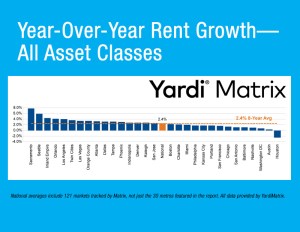
August Continues Rent-Gain Streak
The economy is doing well and multifamily demand has been consistent, so supply has been one of the trouble spots. However, rents have still increased every month during 2017.

Economy Watch: Apartment Rents Stabilize in Summer
The national median rent increased in September to its highest point of 2017, hitting $1,018, according to a recent ABODO report. However, the increase is only up a bit from January, when the median was $1,016.

Rent Growth Moderates, Demand Persists in Boston
Above-trend population gains and increasing job growth continue to make the city one of the most stable multifamily markets in the U.S.

Rents Rise Despite Surging Deliveries in Denver
Growth has cooled since the metro was among the nation’s leaders in appreciation, but rents are now increasing at a more sustainable pace.

Demographic Shifts Pick Up Speed in Orange County
Employment gains, a moderate supply of new development and a high barrier to homeownership have bolstered strong multifamily demand, pushing up rents and keeping occupancy over 96 percent.

Oil Prices, Supply Still Influence Market in Houston
The city’s apartment market continues to struggle as oil prices remain below $50 a barrel with little prospect that they will rise soon.

Tourism’s Power a Draw in Orlando
The city’s multifamily market is thriving due to healthy tourism, above-trend population gains and a rapidly growing economy.