


Nadia Balint is a senior creative writer for RENTCafé. She covers news and trends in residential and commercial real estate and their impact on our everyday life, including rental housing, for-sale housing, real estate development, homeownership, market reports, insurance, landlord-tenant laws, personal finance, urban development, economy, sustainability, and social issues. Nadia holds a B.S. in Business Management from Northeastern Illinois University in Chicago. You can connect with Nadia via email.
Nadia’s work and expertise have been quoted by major national and local media outlets, including CNN, CNBC, CBS News, Curbed, The NY Post, The Chicago Tribune, The Denver Post as well as industry publications, such as GlobeSt, Bisnow, Inman News, Multifamily Executive, and The Commercial Real Estate Show. Nadia also wrote for Multi-Housing News, Commercial Property Executive, HubSpot, and more. Prior to entering the real estate industry, Nadia worked in the legal field, where she gained over 10 years of experience in business, corporate, and real estate law.
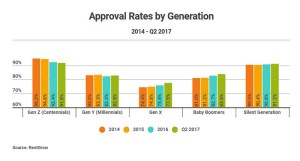
Rental Application Approval Rates Increased in the Last 3 Years
Rental application approvals have been increasing since 2014, according to a recent study by RENTCafé of tenant screening data provided by RentGrow.
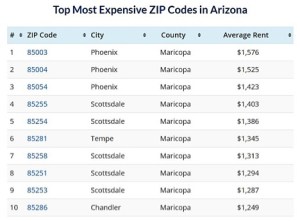
Top 3 Most Expensive Zip Codes for Renting in Arizona Are in Phoenix
Arizona’s rent heatmap is red hot in the Phoenix area, according to a recent report released by RENTCafé which ranks zip codes by how expensive rents are.
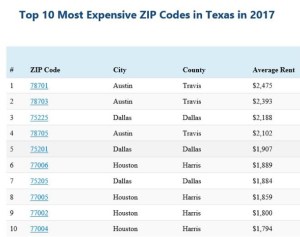
The Priciest Zip Codes in Texas
Apartment search portal RentCafe ranked the 50 most expensive Zip Codes in Texas. Guess which one took the top spot?
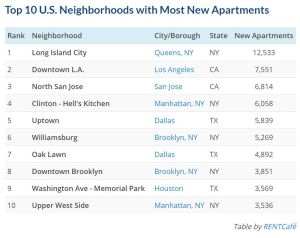
Post-Recession Apartment Boom Earns Long Island City Top Spot
Of all the apartment construction we witnessed in the past few years, 10 U.S. neighborhoods stand out for the greatest numbers of apartments built in the post-recession rental boom era.
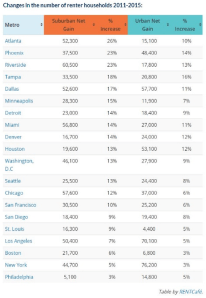
Renters Are Choosing the Suburbs in Greater Numbers than Cities; Atlanta Metro in the Lead
Greater Atlanta leads the nation with a 26 percent increase in renter-occupied households in its suburban markets versus only 10 percent in its urban areas.
- « Previous
- 1
- 2