Adaptive Design: Not Just for Senior Housing Anymore
Intentionality can be your secret to success.
Adaptive design, according to a recent American Society of Interior Designers report, empowers “the burgeoning population of adults aged 65 and over who wish to continue living an autonomous way of life even as personal abilities may change.”
That doesn’t mean adaptive design is exclusive to age-restricted communities, ASID noted. Many older adults seek to live in all-ages neighborhoods close to their adult children and grandchildren—what some call “baby chasers”—and other family members and close friends. They want their villas, townhouses, condos or apartments to help them live their best lives now and in the future. They do not want to have to move again if at all possible.
READ ALSO: 4 Case Studies in Resilient Design
Essentially, experts say, the more you do to create an environment that supports a healthy, turnkey wellness lifestyle the more you’ll attract and retain residents of all ages and inspire them to refer your community to their loved ones. This means looking at your common areas, landscaping and individual units from the start of a project. Some developers are doing this already.
“While there’s definitely a growing awareness of the need for more accessible and inclusive design, the level of commitment varies,” observed interior designer Kellyn Brewer Messel with LS3P. “The reality is that many developers are still balancing accessibility goals with ROI considerations. ADA-compliant unit layouts require a larger footprint and additional features, which can be seen as a challenge to maximizing the property’s profitability.”
But, she added, challenging developers to embrace adaptive design principles will expand their market appeal and demographic reach.
Intentionality matters
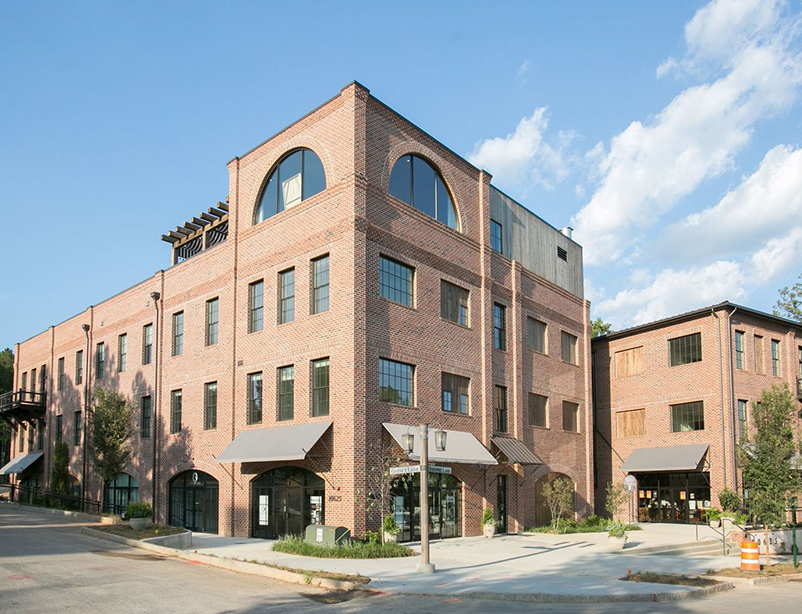
Serenbe, a wellness community in Atlanta, had looked at creating a dedicated aging-in-place community but decided against it. “We discovered that most older adults preferred to purchase homes similar to those in other parts of the community rather than those in a designated 55-plus garden campus,” shared Serenbe CEO Steve Nygren, who is also the author of Start In Your Own Backyard: Transforming Where We Live with Radical Common Sense publishing in October.
Adapting to new insights, they decided to integrate older adults into what Nygren calls “the broader intergenerational fabric of Serenbe.” The community now has townhomes, live-work spaces and small condo-style buildings for a total of 88 multifamily units. There are plans to add more to achieve what Nygren called a “highly pedestrian friendly, mixed-age and mixed-income village fabric.”
That integrated approach with a wellness focus is part of how they market Serenbe. “While we do incorporate many elements of adaptive design, we emphasize environments that encourage vitality, engagement and purpose across all ages and abilities,” he said. “Our communications focus on biophilic design and wellness living, of which accessibility is an implicit part.”
This is how Brown Harris Stevens’ Manhattan-based real estate agent Lisa Lippman suggests all developers approach the market. From her work with developers and condo shoppers, she has observed that “buyers in their 60s and older” are just as active in the market as their younger counterparts. “They are intentionally seeking out new construction for its ADA-compliant features and bright amenities,” Lippman said.
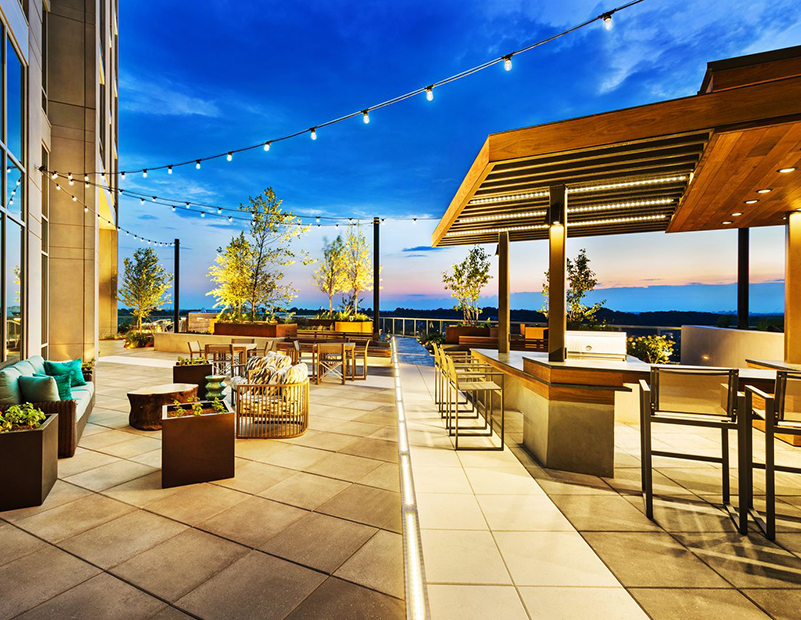
Therefore, let prospects know what you’re offering in the way of age-friendly amenities, she suggested. (You don’t have to use the “A word” either.) No one loves the aging concept, but you can and should promote the benefits of features like barrier-free spa-style showers, convenient kitchen cabinet accessories and empowering smart home technology, like automated window coverings. When it comes to common areas, you can point to roof gardens accessed by resident elevators, fitness rooms accessible to all and secure, sensor-operated doors for safe, easy entry and exit.
Caroline Danielson, senior showrooms director at Ferguson Home, finds there has been a broad shift in design. “Adaptive features are being incorporated from the start, not as retrofits or afterthoughts, with a focus on allowing residents to thrive in place rather than simply meeting regulations,” she said.
Mark Lichter, head of Paralyzed Veterans of America’s Architecture & Accessible Design program, which works with developers on multifamily projects across the country, also sees the value of integrated, adaptive spaces planned from the start.
“Increasing accessibility maximizes the independence of veterans with paralysis and people with disabilities,” he said. “It also helps other individuals, including the elderly, parents with young children in strollers or those who become temporarily injured.” (You can also make the case that it helps the traveling executive rolling her heavy suitcase in and out of their buildings.)
Adaptive design for common areas
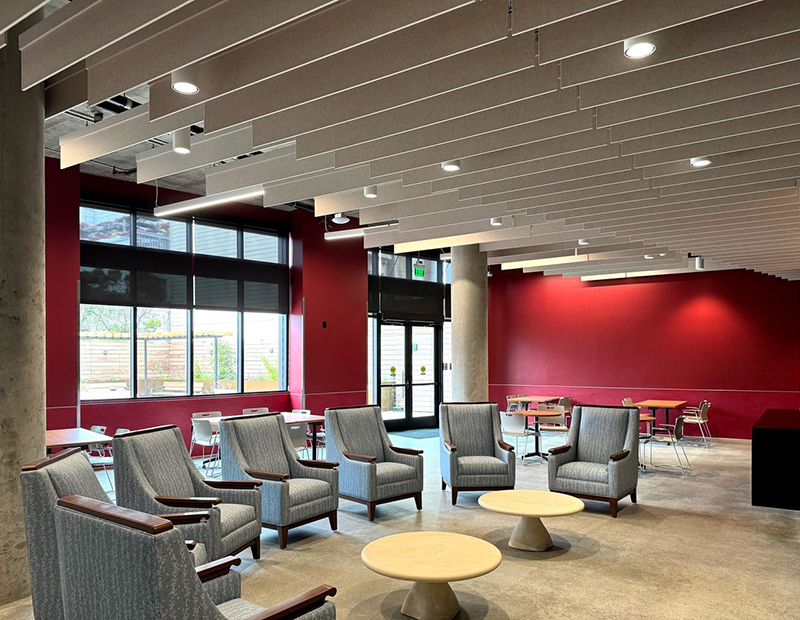
Mona Nahm designs affordable multifamily projects for Y.A. studio from her Las Vegas location, where she also teaches at UNLV. She notes that many of her developer clients, not just those in the senior space, are expressing interest in making all units adaptable. The common areas that she designs include as many adaptively designed features as possible, including wider corridors and handrails on each side, durable wainscoting to withstand wheelchair bumps, contrasting paint colors to assist in navigation, biophilic elements to bring nature indoors, easy access to outdoor spaces connected from community rooms and seating with armrests to make it easier to sit down and get up.
“The commitment of additional square footage to support these amenities is the main cost factor,” she said. “However, clients emphasize that tenants highly value these features and amenities.”
“PVA recommends providing additional accessible parking spaces, ensuring all indoor and outdoor community spaces can be accessed by every resident, and developing a general understanding of what the minimum accessible design requirements and building codes are.” And she suggests exceeding them whenever possible.
This accessible amenity approach is shared by landscape architect Gabriela Cañamar Clark, a partner with multidiscipline firm LandDesign. “We take the application of requirements to the design of a project feature and translate those into opportunities to make the overall experience better, for everyone,” she said.
One approach she cites is to enhance the experience of enjoying a garden area for users with different needs, perceptions and abilities. “Tactile experiences become part of an immersive experience, where the plant palette is carefully curated to offer a variety of textures, color and even fragrance where possible,” she added.
When it comes to affordable communities, Clark notes that they’re often multi-generational. “We feel play space is key to the mental and physical wellbeing of those residents and their guests of all ages,” she said. “Amplifying the exterior program to be flexible in terms of its usability is always a goal, especially with limited budgets.”
Rather than one feature of the entire play area, LandDesign strives to make the majority or all play features accessible.
For luxury developments, the landscape architect likes to integrate adaptive design into outdoor entertaining areas. “Rather than elevating the bar height as traditionally done, we bring the bar experience to a lower, more accessible level so it is accessible universally,” said Clark, citing one example. “Adding simple features such as levers and appropriate handles to grill areas is important to us.”
Chicago-based integrator David Davis of Davis Audio guides developers and their teams on which features to consider adding to their common areas, including those with entertainment features. “We recommend voice control for TV, an induction loop for the hard of hearing (this allows audio to be picked up by hearing aids) and proximity sensors for access control to the common areas,” he said.
Adaptive design for units
Smart home technology can make tasks easier, safer and more convenient for older adults in their individual units. Davis suggests voice control and automation for his multifamily clients. “Lighting control allows for scenes and automated lighting,” he said. “The same goes for the blinds.”
Motion and activity sensors can support remote caregiving, without the types of privacy issues that come with cameras, he points out. The integrator also suggests leak detectors, thermostats and sensor vent fans integrated into a smart home system. These features can add up in a budget, he noted.
“Most of these options are not inexpensive. Especially when you factor in the wiring, equipment and programming required.” At the same time, many have come to be expected by prospective residents, including those in the older adult category.
Danielson notes that luxury developments often serve as a launch point for high-tech style but adds that the trend is expanding. “Manufacturers are incorporating them into broader product lines, making it easier for developers across market tiers to specify them, whether in upscale condominiums or larger-scale multifamily communities,” she said.
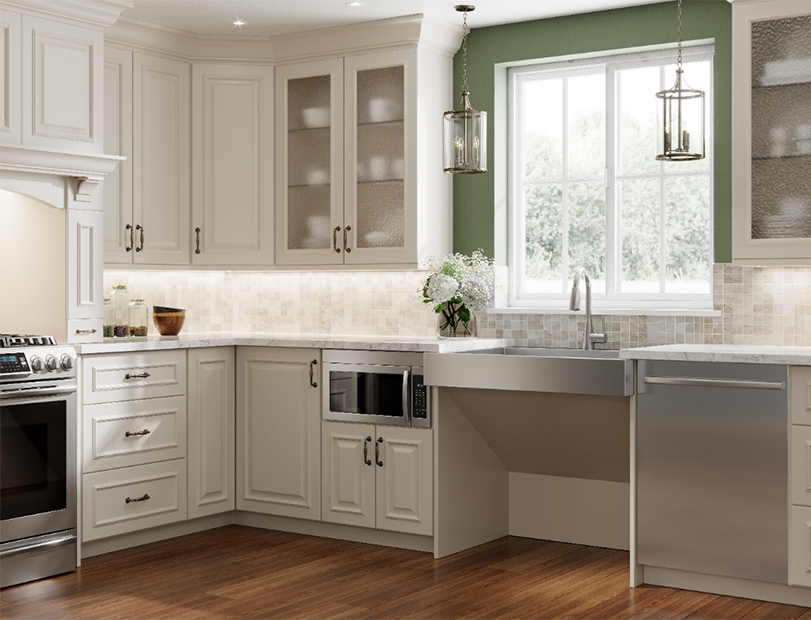
On a non-tech level, designer Messel recommends incorporating open floor plans, continuous LVT flooring to reduce trip hazards and lever style handles. She would like to see multifamily teams include more roll-under sinks, curbless showers, integrated and designer-friendly grab bars and adjustable shelving.
“While end-user demand is certainly influential” Danielson shared, “forward-thinking developers recognize the long-term value and appeal of homes designed thoughtfully to support evolving lifestyle needs.”
This is happening across price points, Messel noted. Adaptive design is being thoughtfully incorporated into mid-range and even more budget-conscious projects, the designer comments.
“Whether it’s a high-end condo or a market-rate apartment, the goal remains the same: to create spaces that are flexible, functional, and welcoming to all residents,” she said.
She attributes this growth to a younger generation of professionals who prioritize physical and mental well-being for themselves and their clients. “Their willingness to demand more inclusive, human-centered environments is reshaping expectations across the design and development industries.”
“In our profession we do affect people’s lives,” landscape architect Clark noted. “The manner in which projects are designed and delivered affects how people use these spaces, and it is fascinating as well as incredibly rewarding to see those designs coming to life, being enjoyed by people of all ages, backgrounds, and abilities, with their companions, caregivers and friends.”
Jamie Gold, CKD, CAPS, MCCWC is a Forbes.com senior contributor, wellness design consultant, industry speaker, and award-winning author of Wellness by Design (Simon & Schuster, 2020).