A Closer Look at Rental Housing Affordability
MBA's new study found that rental affordability declined in 82 percent of U.S. metropolitan areas between 2014 and 2023.
Rental housing affordability remains a significant challenge across the country, but understanding what is driving rising rental costs requires looking beyond rent increases alone.
A new study from the Mortgage Bankers Association’s Research Institute for Housing America, authored by Gary Engelhardt of Syracuse University, provides a closer look at how changes in housing quality influence rental affordability.
LISTEN ALSO: Mission Success: Can AI Build Capacity While Retaining Staff?
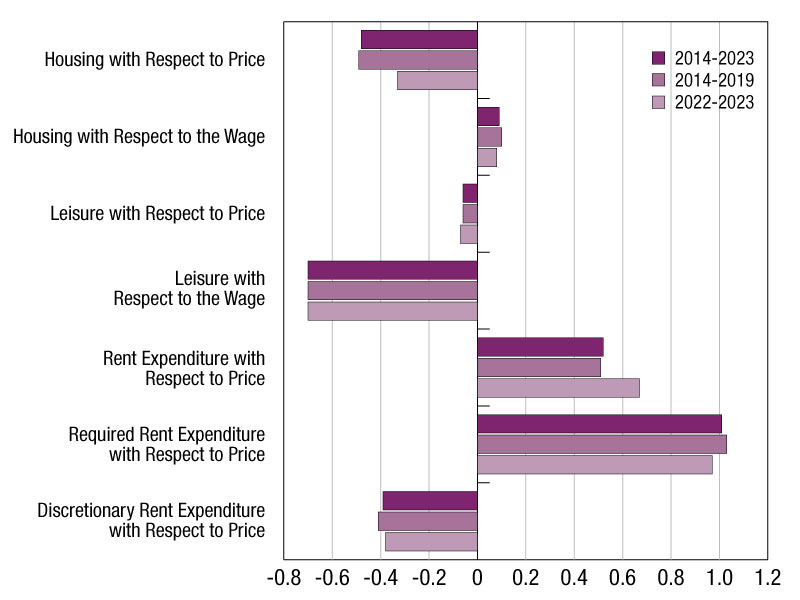
The study found that rental affordability declined in 82 percent of U.S. metropolitan areas between 2014 and 2023, affecting 232 of the 282 markets examined. After accounting for changes in housing quality, renters experienced the equivalent of a $256 annual reduction in income, on average.
One of the study’s key findings is that improvements in housing quality accounted for as much as half of rising rental expenditures. This suggests that traditional affordability measures, which often focus primarily on rental costs, may not fully capture the relationship between housing prices and the quality of housing renters receive.
These findings offer an important distinction when evaluating rental market trends. While higher rents can place additional financial pressure on households, some of the increase in rental expenditures reflects improvements in housing quality rather than higher costs for comparable housing.
The research provides a more comprehensive understanding of rental affordability trends and highlights the importance of accounting for housing quality when measuring changes in rental costs over time.
—Posted on Nov. 24, 2026